
- Solar export limit in Morocco set at 20% shifts value to self-consumption and storage.
- Energy storage becomes central to project viability under new regulation.
- SolaX Power is positioned to support commercial and residential demand.
Morocco has introduced a 20% cap on solar power exports under the implementing decree of law n°82 21, a move that is set to redefine the economics of solar projects while accelerating demand for integrated energy storage solutions.
Published in the government’s Official Bulletin, the regulation establishes a framework for self-consumption with surplus feed in, allowing businesses to generate electricity for internal use while exporting limited excess power to the grid.
Under the new rules, surplus electricity can be sold at MAD 0.21 per kWh during peak hours and MAD 0.18 per kWh off peak. However, with exports capped at 20% of annual generation, the financial case for solar is shifting decisively away from grid sales towards on site optimisation.
This transition is expected to drive increased adoption of advanced solar plus storage systems, an area where SolaX Power is already active across commercial, industrial and residential segments.
The regulation also introduces clearer grid access rules and associated fees, improving transparency for investors while reinforcing self consumption as the primary driver of project returns.
Project design is therefore set to evolve. Developers are moving away from export maximisation strategies towards intelligent energy management, including load shifting, peak shaving and real time balancing.
Grid capacity remains a key constraint. After accounting for projects approved through 2025, Morocco’s remaining connection capacity stands at approximately 3886 MW, with around 72% allocated to solar PV. This reflects broader structural pressures as the country expands renewable capacity while managing import dependence and price volatility, according to the International Energy Agency.
The regulation will take effect on 9 June 2026, reinforcing a clear timeline for market transition.
Within this new framework, energy storage is emerging as a critical enabler of value creation. Integrated systems that combine solar generation, battery storage and load management allow businesses to maximise self consumption while reducing exposure to peak tariffs.
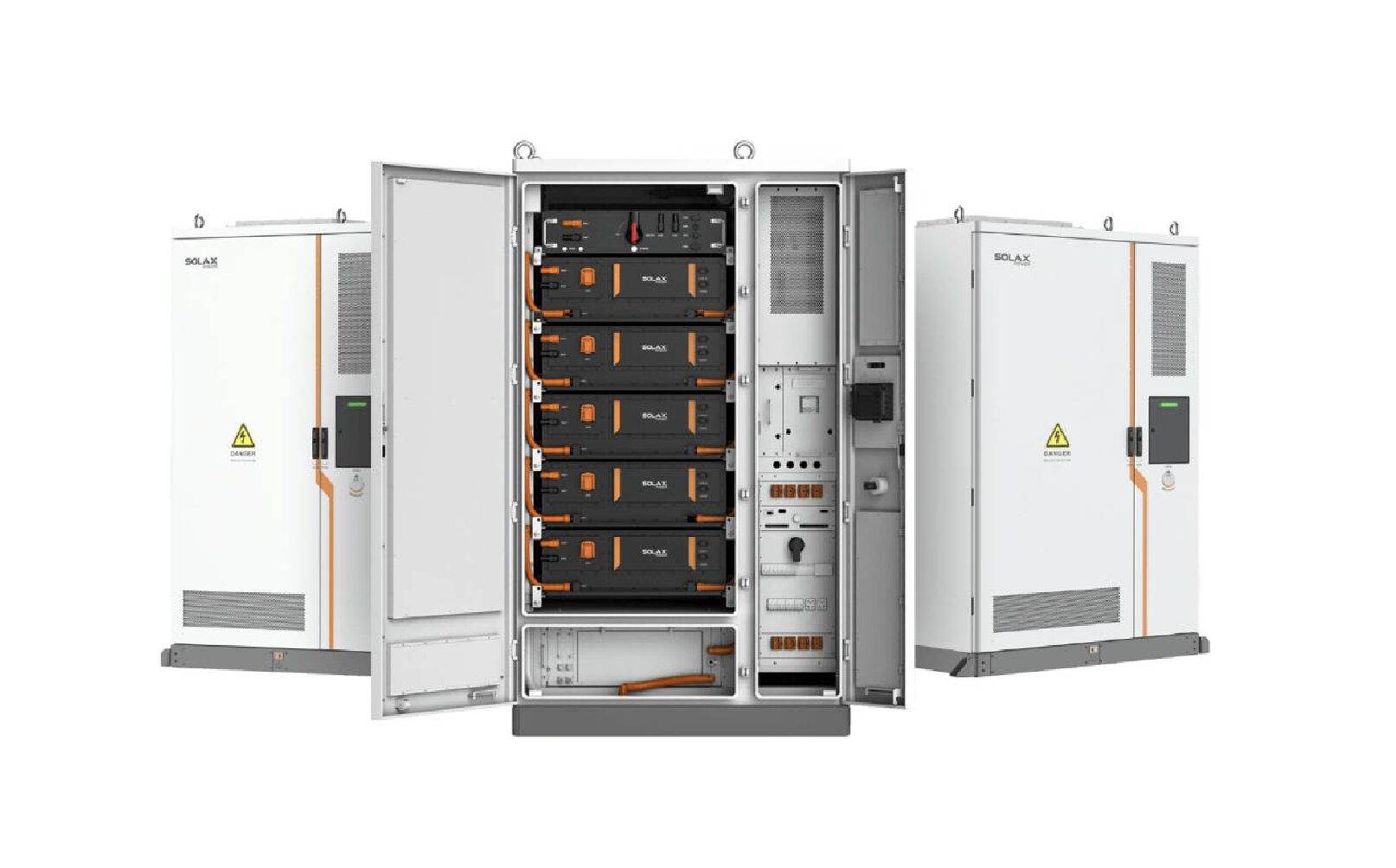
SolaX Power has developed commercial and industrial solutions designed specifically for these conditions, enabling users to reduce electricity costs by up to 12% while maintaining reliable and uninterrupted power supply.
Related news: SolaX Power wins TÜV Rheinland “All Quality Matters” award for excellence in utility string inverters
The company’s systems support time of use optimisation, allowing excess solar generation to be stored and deployed when tariffs are highest, directly addressing the limitations imposed by the export cap.
Momentum is also building in the residential sector. While tariffs for low voltage systems are yet to be defined, early adoption trends indicate strong demand for hybrid solar and storage solutions.
According to the International Renewable Energy Agency, distributed solar paired with storage is a key pathway for improving energy resilience in emerging markets.
SolaX Power has already introduced residential solutions in Morocco that integrate PV and battery storage, enabling households to reduce electricity costs by up to 50% while improving energy independence.
Early deployments in cities such as Casablanca and Rabat highlight growing demand for reliable, self-generated energy, including applications ranging from residential homes to mobile service units.
Morocco’s new regulation signals a decisive shift in the solar sector. By limiting surplus exports, it accelerates the transition towards optimisation driven energy systems where storage is no longer optional.
For technology providers such as SolaX Power, the policy shift creates a clear opportunity to support businesses and households in maximising the value of solar through intelligent, integrated energy solutions.
Author: Bryan Groenendaal
For enquiries on the African continent, contact Kendall at SolaX Power South Africa:
- Email: kendall.xu@solaxpower.com
- SA phone number + 27 079 236 7565
- WhatsApp + 86 188 5626 6201