- AfDB approves US$400 million results based loan to improve electricity and water services.
- Programme to benefit 1.2 million people across four coal dependent municipalities.
- Funding linked to verified performance targets to strengthen utility finances and service delivery.
The African Development Bank Group (AfDB) has approved a US$400 million loan to support reforms aimed at improving electricity and water services in four municipalities in South Africa’s Mpumalanga province.
The financing will support the Mpumalanga Municipal Utility Reform Programme, a results based initiative that links disbursements to independently verified improvements in utility performance and service delivery.
Under the programme, funds will be released only once agreed targets are met, an approach designed to strengthen accountability while improving efficiency and financial sustainability in municipal utilities.
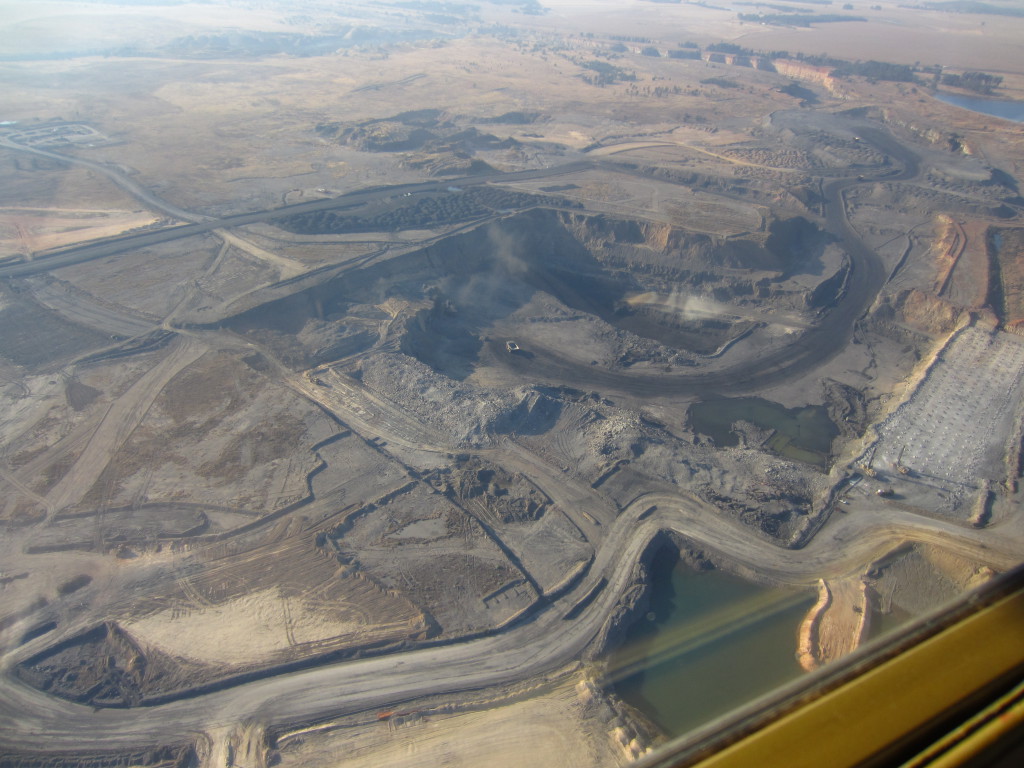
The initiative forms part of South Africa’s Just Energy Transition, with a focus on coal dependent communities affected by the shift away from coal fired power generation. It targets persistent challenges including electricity and water losses, weak revenue collection, ageing infrastructure and governance constraints within municipal utilities.
The programme will be implemented in eMalahleni, Lekwa, Govan Mbeki and Mbombela, and is expected to benefit around 1.2 million people. Implementation is scheduled from 2026 to 2031 and includes support for the Inkomati Usuthu Catchment Management Agency to strengthen integrated water resource management.
Strong municipalities are fundamental to South Africa’s long term development, said Dr Kevin Kariuki, Vice President for Power, Energy, Climate and Green Growth at the African Development Bank Group.
By strengthening the financial sustainability of municipal utilities, this operation will improve electricity and water service delivery, build more resilient local institutions and establish a model for reforms that can be replicated across South Africa, he said.
Key interventions under the programme include customer and connection audits, smart and bulk metering, rehabilitation of electricity and water networks, reduction of non-revenue water, pressure management, LED street lighting upgrades, alternative energy systems for public buildings and improved municipal revenue collection.
The loan is supported by a guarantee from the United Kingdom’s Foreign, Commonwealth and Development Office under the Just Energy Transition Partnership framework. The FCDO also provided technical assistance during programme preparation.
Implementation will be led by the Development Bank of Southern Africa through a dedicated Programme Management Office, with oversight from National Treasury and the Department of Cooperative Governance.
The programme is expected to improve access to reliable basic services, reduce greenhouse gas emissions, support job creation, strengthen municipal governance and enhance climate resilience in communities affected by the transition from coal.
Author: Bryan Groenendaal