News flash
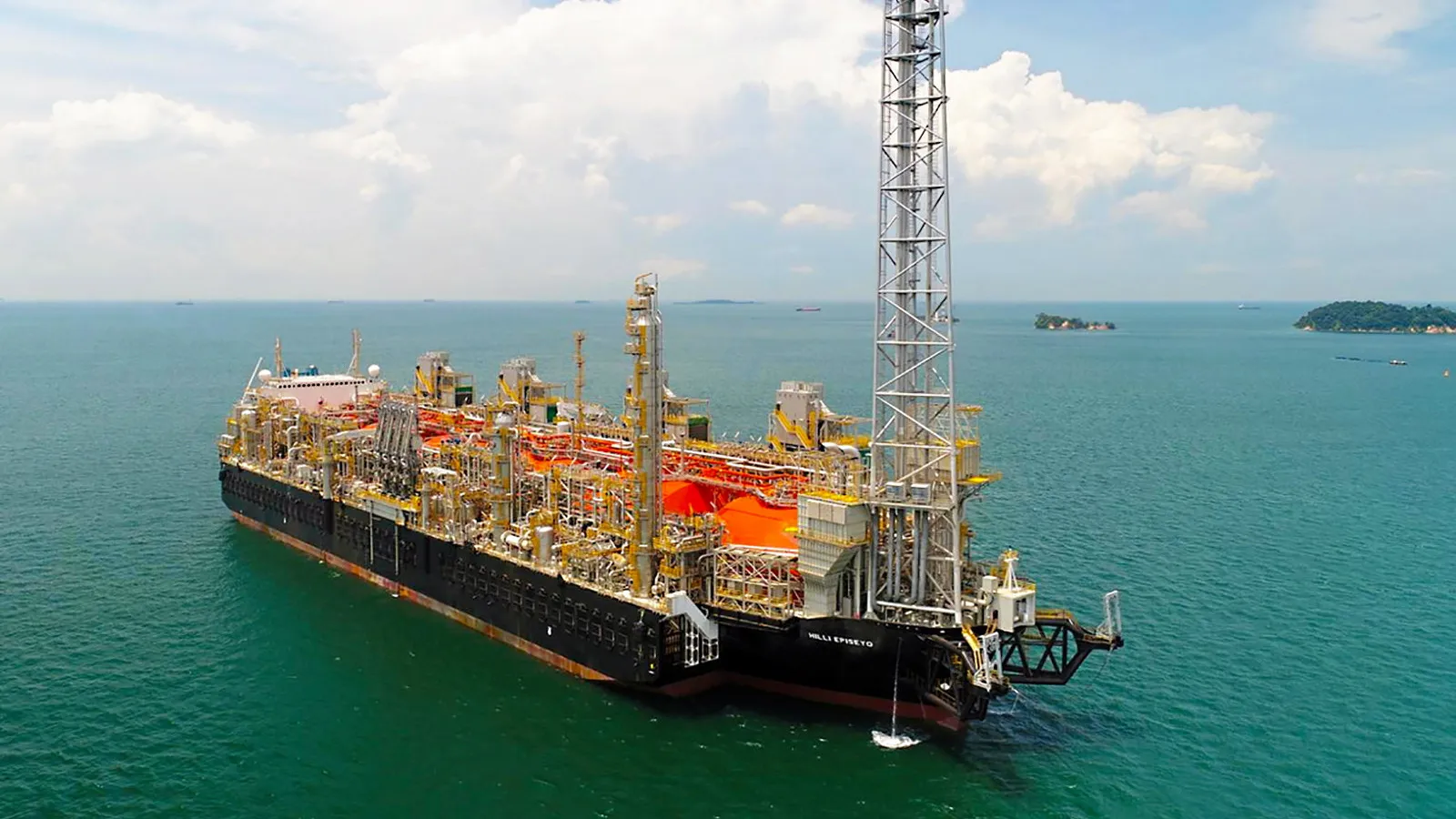
- Cameroon’s eight-year liquefied natural gas (LNG) export era has come to an end following the departure of the Hilli Episeyo floating liquefied natural gas (FLNG) vessel, marking a significant shift in the country’s energy sector and highlighting the commercial realities facing floating LNG developments.
The vessel left Cameroon this month (July 2026) after being redeployed to Argentina’s Vaca Muerta formation, where larger gas reserves and stronger commercial fundamentals are expected to deliver improved returns.
The departure is forecast to cost Cameroon approximately US$110 million in annual government revenue, ending a project that had established the country as an LNG exporter since operations began eight years ago.
In Cameroon, declining production from mature upstream gas fields limited the availability of feedstock for the Hilli Episeyo. As a result, the facility operated at only around 50% of its nameplate capacity, reducing efficiency and undermining the project’s long-term profitability.
The move to Argentina reflects a broader trend within the global LNG industry, where operators are increasingly directing capital and assets towards projects with stronger resource bases, higher utilisation rates and more favourable commercial conditions.
Author: Bryan Groenendaal