- Advocacy groups warn diesel deregulation exposes consumers to price shocks.
- Concerns raised over transparency and corporate influence in fuel pricing.
- Calls grow for energy reform to prioritise affordability and resilience.
South Africa’s fuel pricing framework is facing renewed scrutiny, with civil society organisation The Green Connection warning that regulatory gaps in the diesel market are exposing consumers and key sectors to significant financial risk.
The organisation’s Advocacy Lead, Lisa Makaula, argues that government continues to frame oil and gas development in a way that overstates benefits while downplaying long term costs and risks. She says this approach appears to prioritise profits for a limited number of stakeholders over broader public interest. According to Makaula, expectations of cheaper fuel are misleading, as prices are largely determined by international markets, while weaknesses in the domestic pricing system shift risk onto ordinary citizens.
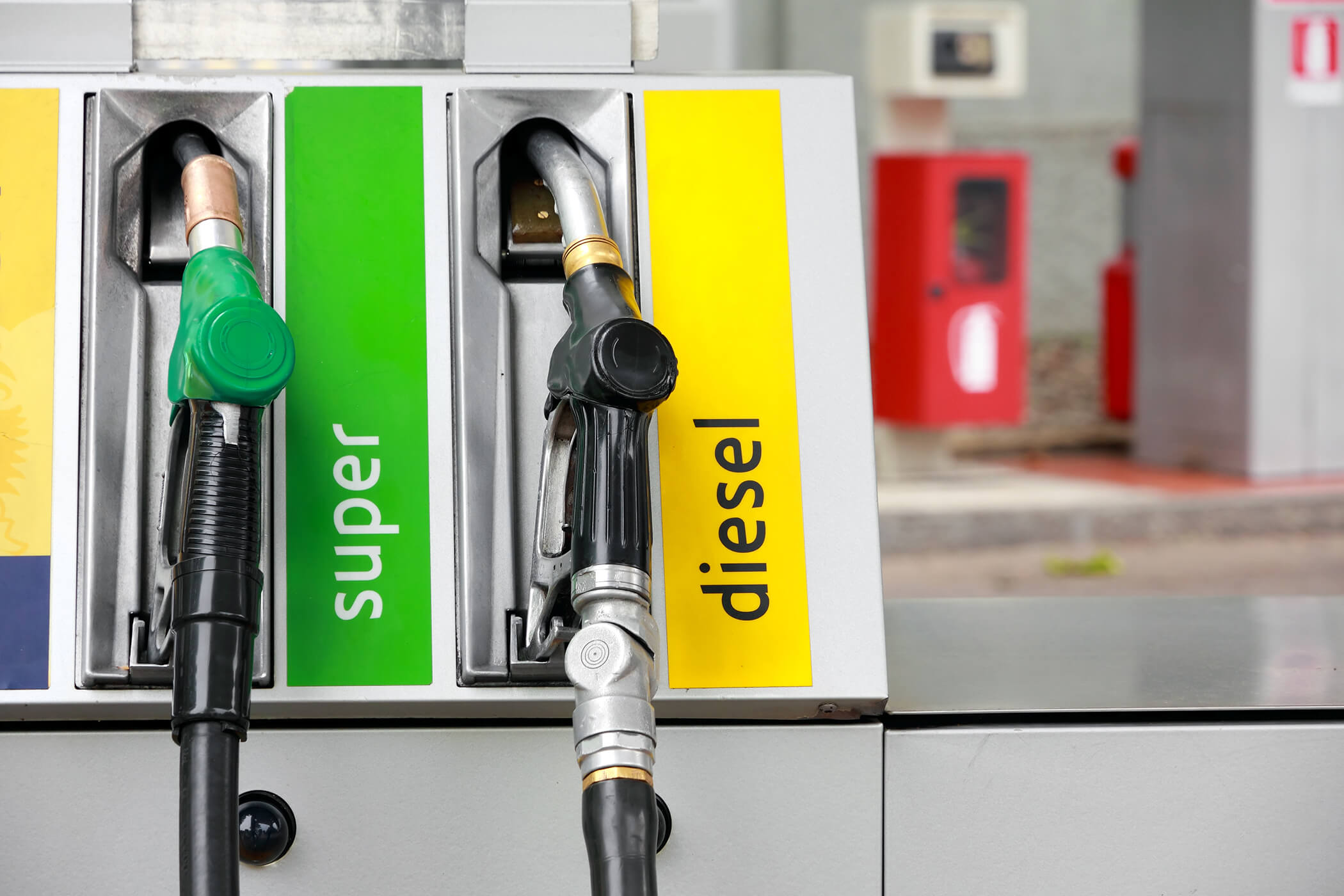
Unlike petrol, which is regulated through a fixed retail price set by the Department of Mineral and Petroleum Resources, diesel remains a deregulated product. This distinction is based on the outdated assumption that diesel is primarily used for industrial purposes. In reality, diesel plays a critical role in transporting people, food and essential goods, making it a key component of the country’s economic and social infrastructure. The lack of regulation leaves consumers exposed to volatility and potential price manipulation.
The Green Connection’s Outreach Ambassador, Neville van Rooy, points to recent reports involving TotalEnergies as an example of these risks. Several media outlets indicated that the company had communicated with service station operators about a phased diesel price increase ahead of 1 April 2026, with suggested hikes of up to approximately R8 per litre in some cases. Although the proposal was reportedly withdrawn following opposition from the Fuel Retailers Association, the incident has raised concerns around transparency and consumer protection during a period of heightened market instability.
Van Rooy warns that early or coordinated price increases could force consumers to absorb higher costs sooner than necessary. While market competition is expected to regulate pricing, actions by major wholesalers risk establishing informal price floors that disproportionately affect lower income households.
He adds that the issue is not isolated, noting previous concerns raised by The Green Connection regarding public consultation processes linked to offshore oil and gas projects. When viewed alongside recent diesel pricing developments, the organisation believes a pattern is emerging in which regulatory gaps may enable outcomes that favour corporate interests while communities bear the environmental, social and economic consequences.
The impact is already being felt at the community level. Walter Steenkamp, a small scale fisher from Port Nolloth, says rising diesel costs threaten the viability of fishing livelihoods. He notes that fuel price increases can make daily operations unaffordable, with knock on effects for food security and transport costs across coastal communities.
Paraffin, another essential energy source for low income households, is also under pressure. Although subject to a maximum retail price, paraffin costs have increased sharply in line with global crude oil trends, further straining households that lack access to reliable and affordable electricity.
At the structural level, critics highlight South Africa’s import parity pricing model as a key concern. Under this system, fuel prices are benchmarked against international rates, even for locally produced products. As a result, synthetic fuel produced domestically by Sasol is priced as if it were imported, including hypothetical shipping and insurance costs. This mechanism limits the potential for local production to provide price relief to consumers.
Makaula also cautions against expectations that offshore oil and gas exploration will reduce domestic fuel prices. She argues that any resources discovered would still be priced in USD and sold at international market rates, offering little protection against global price fluctuations. In her view, this reinforces exposure to external shocks while allowing local resources to be extracted primarily for global markets.
The Green Connection maintains that energy security should be defined not only by supply, but also by fairness, transparency and accountability. The organisation has called on government to explain why diesel remains unregulated despite its role in driving inflation and affecting sectors such as agriculture, transport and fisheries.
Van Rooy emphasises that South Africa has viable alternatives. With targeted policy support, the country could scale up renewable energy deployment in the near term, reducing electricity costs, easing pressure on the grid and creating local economic opportunities. He adds that a transition to cleaner energy could support more inclusive growth while reducing dependence on volatile global fuel markets.
As fuel prices continue to rise, the organisation warns that short term relief measures, such as temporary fuel levy adjustments, are unlikely to address deeper structural issues. Without comprehensive reform, households and businesses will remain vulnerable to ongoing price shocks, with broader implications for economic stability and social equity.
Author: Bryan Groenendaal