- Pilot projects test carbon capture, underground storage, and industrial conversion at coal power plants.
- US$23 million World Bank funded study to assess large scale CO₂ injection into deep rock formations.
- Utility targets 71 million metric tons annual emissions reduction by 2030
South Africa’s state owned utility Eskom is advancing carbon capture and storage as part of efforts to reduce emissions from its coal dominated generation fleet while maintaining grid stability.
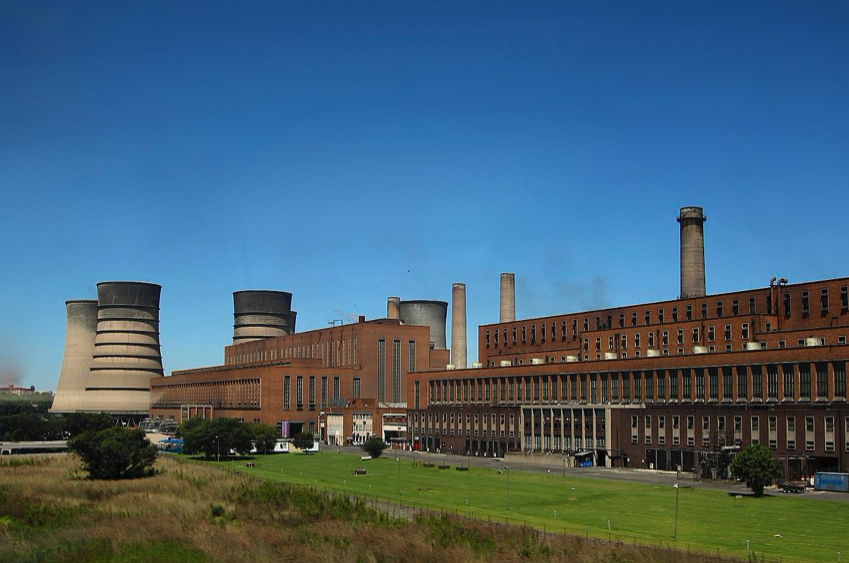
The initiative includes a pilot project at the Kelvin Power Station in Johannesburg, marking the country’s first deployment of carbon capture technology at a power generation facility. The project captures carbon dioxide from flue gas emissions for either underground storage or conversion into commercially viable products.
In a shift from conventional carbon storage approaches, the pilot is also exploring the conversion of captured emissions into industrial inputs such as fertiliser salts, ammonia, and sulphuric acid. This model aims to improve the economic viability of carbon capture by creating revenue streams from emissions.
A separate pilot supported by a US$23 million grant from the World Bank will test the feasibility of injecting between 10000 and 50000 metric tons of CO₂ annually into geological formations at depths exceeding 1 km. The study will assess storage integrity and long term environmental performance.
Eskom plans to use insights from both pilots to evaluate the potential rollout of carbon capture technologies across its fleet of 15 coal fired power stations.
The programme aligns with national emissions reduction targets, with Eskom committing to cut emissions by 71 million metric tons per year by 2030. This comes as the utility delays the retirement of several ageing coal plants to safeguard energy supply.
Industry stakeholders remain cautious on the commercial outlook. Sasol has previously highlighted the high cost of carbon sequestration, noting that large scale deployment will require further technological advances to become economically viable.
According to the roadmap developed by the South African Centre for Carbon Capture and Storage, commercial deployment could begin after 2025, with large scale projects expected to come online by 2030 as the country balances decarbonisation with energy security.
Author: Bryan Groenendaal