- OUTA says Johannesburg residents and businesses should not suffer electricity disruptions over the city’s unpaid Eskom debt.
- The organisation proposes Eskom temporarily takes control of electricity revenue collection within the City of Johannesburg.
- OUTA warns Johannesburg’s worsening financial position is undermining service delivery and infrastructure stability.
The Organisation Undoing Tax Abuse (OUTA) has called for urgent intervention in the escalating dispute between Eskom and the City of Johannesburg (CoJ), warning that electricity supply interruptions would unfairly punish residents and businesses that continue to pay their municipal electricity bills.
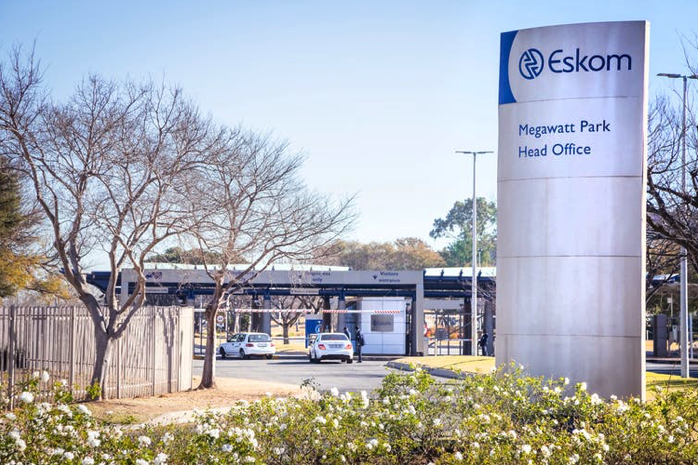
The warning follows Eskom’s threat to interrupt or reduce electricity supply to parts of Johannesburg over approximately R5.2 billion in unpaid bulk electricity debt owed by the metro.
OUTA said the crisis reflects years of financial mismanagement, governance failures and the city’s inability to properly ringfence electricity revenue collected from consumers.
The organisation also linked the dispute to recent concerns raised by Finance Minister Enoch Godongwana regarding Johannesburg’s deteriorating financial position, unfunded budgets, rising creditor debt and failures in revenue collection and expenditure management.
“Johannesburg residents cannot become collateral damage in this situation,” said Julius Kleynhans, Executive Manager at OUTA.
“Residents and businesses have largely continued paying their electricity bills, yet the City has failed to pass those funds on to Eskom. Residents are already paying for Eskom’s electricity through their municipal bills.”
OUTA proposed that Eskom temporarily assume control of the electricity payment portion of the City of Johannesburg’s billing system in order to recover its share of electricity revenue directly until the debt is settled.
According to the organisation, this arrangement could remain in place until the municipality demonstrates sufficient administrative, financial and technical capacity to manage the process sustainably.
OUTA acknowledged Eskom’s position that municipalities cannot continue collecting electricity revenue while defaulting on payments to the utility. However, it argued that alternative revenue collection mechanisms should be explored to protect compliant customers from supply disruptions.
The organisation suggested that split payment systems could allow Eskom to automatically receive its share of electricity revenue before the balance is transferred to municipalities.
OUTA also called on the National Energy Regulator of South Africa (NERSA) to strengthen oversight of municipal compliance with electricity payment obligations.
Advocate Stefanie Fick, Executive Director of Accountability at OUTA, said NERSA should not continue approving electricity tariff increases without ensuring municipalities transfer Eskom’s portion of collected revenue as required.
She added that municipal managers should be held personally accountable where negligent or reckless decisions expose municipalities to financial losses and compromise service delivery.
OUTA warned that proposed electricity supply interruptions could impact key residential and commercial areas including the Johannesburg CBD, Fordsburg, Fairlands, Cresta, Midrand and Carswald.
The organisation said disruptions would negatively affect households, schools, healthcare facilities, small businesses and broader economic activity across Johannesburg at a time when consumers are already under significant financial pressure.
OUTA said it is currently exploring possible interventions to protect residents and businesses from unfair electricity disruptions while supporting long term governance reforms aimed at addressing corruption, financial mismanagement and declining municipal capacity.
The organisation has also urged affected residents and businesses to submit representations directly to Eskom regarding the proposed supply interruptions.
Author: Bryan Groenendaal