- Civil society groups say shortlisted candidates lack strong grassroots and community links.
- Concerns grow over regulatory independence as South Africa advances nuclear expansion plans.
- Activists warn that weak public representation could undermine trust in nuclear safety oversight.
Civil society organisations in South Africa have raised concerns over the recently announced shortlist for the community representative position on the board of the National Nuclear Regulator, warning that the process risks excluding voices from communities directly affected by nuclear developments.
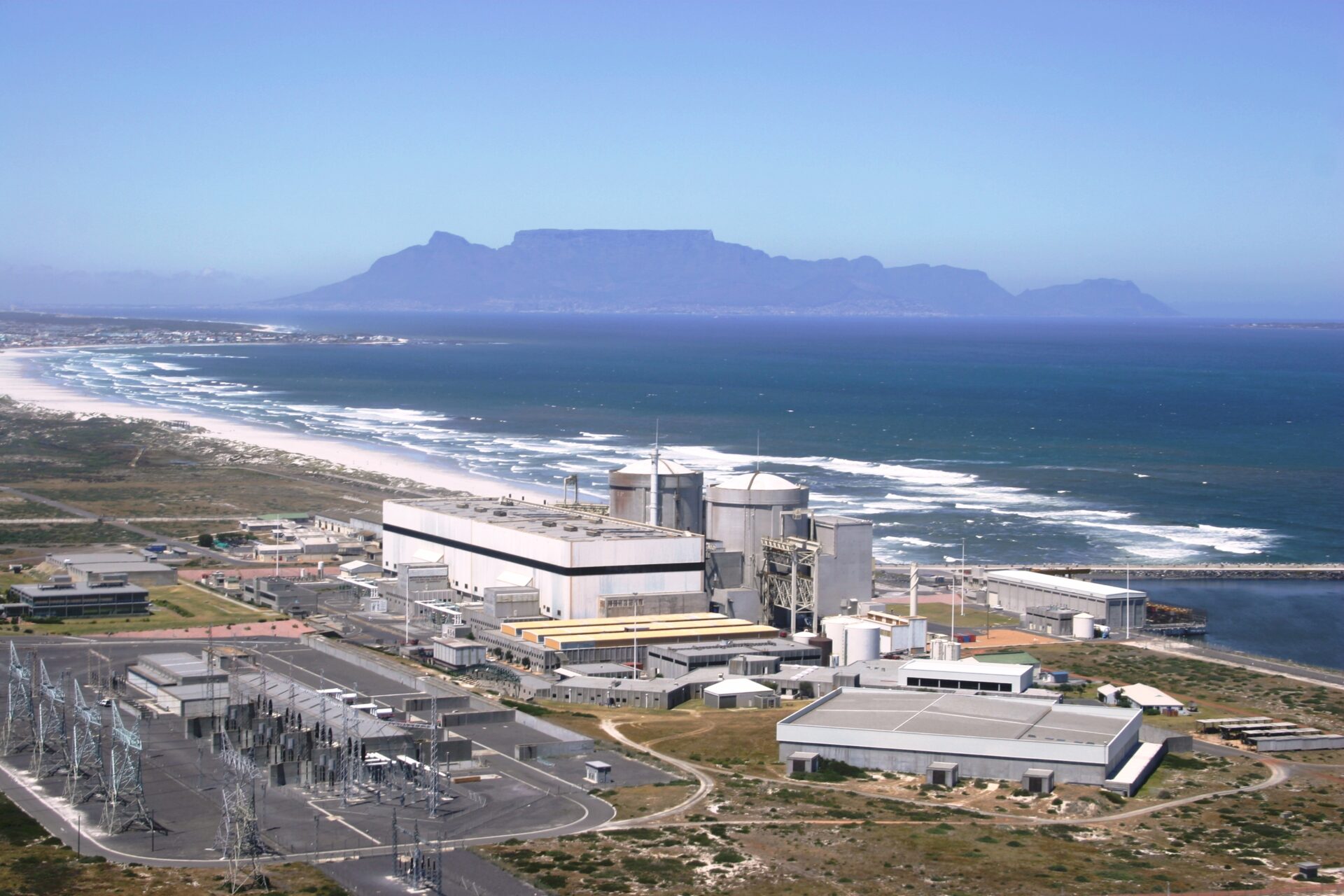
The NNR is responsible for overseeing nuclear safety and protecting the public from radiation related risks. The debate comes at a critical time for South Africa’s nuclear sector as the country advances long term operation plans at the Koeberg Nuclear Power Station, considers high level radioactive waste disposal in Namaqualand, and evaluates proposed new nuclear build sites including Thyspunt and Bantamsklip.
Under the National Nuclear Regulator Act of 1999, the NNR board must include a community representative to ensure public concerns are reflected in decision making processes. However, civil society groups argue that this requirement has not been effectively implemented.
The position remained vacant for years before former board member Peter Becker was appointed in 2021. Becker was dismissed in 2022 on misconduct allegations which he argued were fabricated and politically motivated. South Africa’s High Court later ruled that the dismissal was unlawful, unconstitutional and conducted in bad faith, a decision subsequently upheld by the Supreme Court of Appeal in June 2023.
Since then, the position has remained vacant.
Environmental and advocacy organisations say several candidates nominated directly by affected communities were excluded from the latest shortlist, which they claim is dominated by individuals with technical, academic or state aligned backgrounds.
Gabriel Klaasen, Policy and Advocacy Coordinator at Project 90 by 2030, criticised the process, saying communities in affected areas were unfamiliar with many of the shortlisted candidates.
“We do not expect an anti-nuclear representative but we do expect a representative that can engage communities of different backgrounds and interests and meaningfully reflect them in the relevant forums,” Klaasen said.
Southern African Faith Communities’ Environment Institute Executive Director Francesca de Gasparis said the role of the community representative should be independent from industry interests and focused on public concerns.
“There is a serious gap in the way the NNR is operating as a regulator and we are deeply concerned about the extent to which failures and shortcomings are being allowed to continue unchecked,” she said.
De Gasparis also raised concerns over safety oversight at Koeberg, arguing that stronger regulatory scrutiny is needed as the plant faces operational and maintenance challenges linked to its life extension programme.
Civil society organisations further questioned the independence of the NNR from government structures promoting nuclear energy expansion.
An Integrated Nuclear Infrastructure Review conducted by the International Atomic Energy Agency in 2013 noted concerns about the separation between South Africa’s nuclear regulatory and promotional functions. The report stated that the Minister of Energy’s oversight role over both nuclear promotion and aspects of the NNR’s governance raised questions about the regulator’s effective independence.
Becker said the issue remains unresolved more than a decade later.
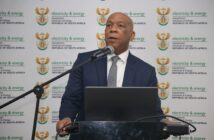
“According to the treaty, the NNR is required to be entirely independent from any other government body which utilises or promotes the use of nuclear energy,” Becker said, adding that the final appointment process involving Energy Minister Kgosientsho Ramokgopa represented a conflict of interest given the government’s strong support for nuclear expansion.
Civil society groups argue that meaningful public participation at board level is essential to maintaining confidence in South Africa’s nuclear governance framework.
As the country weighs the future role of nuclear energy in its power mix, campaigners say transparent and representative oversight will be critical to ensuring public trust and long-term safety accountability.
Author: Bryan Groenendaal