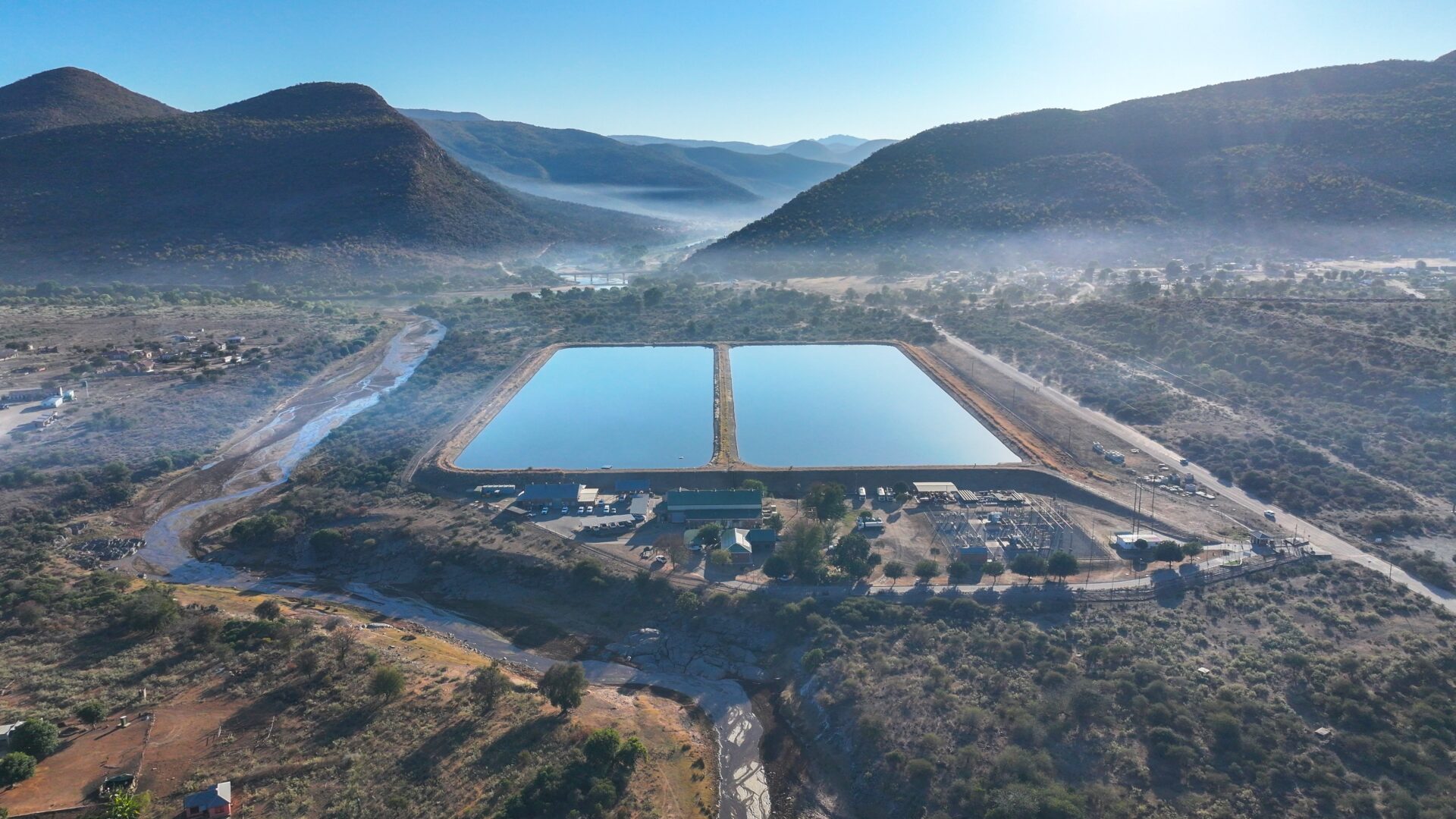
- Climate Fund Managers commits US$86.2 million to Stage 1 through Climate Investor Two.
- Parallel grant and debt funding streams unlocked with support from IFISA and DWS.
- R25 billion programme set to benefit 390,000 people and supply water to 140 communities.
Stage 1 of South Africa’s Olifants Management Model Programme has reached financial close for its mezzanine debt, marking a key step forward for one of the country’s largest water infrastructure developments.
The Badirammogo Water User Association confirmed that Climate Fund Managers has finalised its mezzanine debt investment through the European Union backed Climate Investor Two facility. The agreement secures a committed funding stream to support implementation while enabling grant funding from the Infrastructure Finance and Implementation Support Agency and the Department of Water and Sanitation to flow alongside debt financing.
The milestone follows commercial close in December 2025, with detailed design, limited procurement and early construction activities already under way since February 2026.
The programme is structured as a R25 billion public private partnership and is registered as a Strategic Integrated Project. It aims to expand bulk raw and potable water infrastructure across the Northern and Eastern limbs of Limpopo’s Bushveld Igneous Complex, a region critical to mining and industrial activity.
Financial close on mezzanine debt confirms the completion of core funding, legal and commercial agreements tied to Climate Fund Managers’ participation. The facility, valued at US$86.2 million or about R1.4 billion, strengthens the overall capital structure and supports the programme’s progression toward senior debt financial close with a consortium that includes Absa, Nedbank and Standard Bank.
The project has drawn continued backing from public sector institutions, with IFISA and the Department of Water and Sanitation playing a central role in establishing early bankability and mobilising private investment. The blended finance structure highlights growing collaboration between government, development finance institutions and private capital providers in delivering large scale infrastructure.
Stage 1, valued at about R8.5 billion, includes bulk raw water pipelines, pump stations, treatment infrastructure and associated energy systems. It forms part of a six stage rollout that will extend water infrastructure across the province.
Once complete, the broader programme is expected to deliver more than 875 km of water infrastructure, improve supply to around 140 communities and benefit an estimated 390,000 people. It is also positioned to strengthen water security for municipalities and industry while supporting regional economic growth and creating up to 42,000 jobs across construction and operations.
Author: Bryan Groenendaal