- NERSA has approved a discounted electricity tariff of R0.62/kWh for major ferrochrome producers, including Samancor Chrome and the Glencore Merafe Venture.
- Eskom says the agreement will protect jobs, industrial capacity and electricity demand without imposing additional costs on taxpayers or standard tariff customers.
The National Energy Regulator of South Africa (NERSA) has approved a discounted electricity tariff of R0.62/kWh (US$0.038/kWh) for the country’s ferrochrome industry, providing a significant financial lifeline to major producers including Samancor Chrome and the Glencore Merafe Chrome Venture.
The regulatory decision follows Eskom’s application submitted in April and establishes amended Negotiated Pricing Agreements aimed at preserving domestic ferrochrome production capacity. Samancor Chrome has secured a five year agreement, while the Glencore Merafe Venture will receive discounted power for three years.
Eskom described the approval as a balanced intervention that supports industrial sustainability, employment preservation, electricity system utilisation and long term economic value creation.
The utility argues that the framework will help retain strategic industrial demand, sustain jobs across the mining and beneficiation value chain and prevent further contraction in a sector that has struggled with escalating electricity costs and growing international competition.
South Africa remains the world’s largest producer of chrome ore. However, electricity tariffs have increased almost tenfold since 2008, significantly eroding the competitiveness of local smelters and contributing to the country losing its position as the world’s leading ferrochrome exporter to China.
According to Eskom Group Chief Executive Officer Dan Marokane, the agreement balances industrial sustainability with grid stability while supporting economic activity and employment.
The framework includes a market linked upside sharing mechanism that allows Eskom to benefit when global ferrochrome prices improve. Eskom has also emphasised that the arrangement does not require additional government funding and that any revenue shortfall associated with the concessionary tariff has been ring fenced, preventing recovery from standard tariff customers through future regulatory mechanisms.
However, the decision has reignited debate over whether NERSA has fulfilled its statutory mandate to act in the best economic interests of all stakeholders.
While the regulator has prioritised the preservation of existing industrial activity and jobs, critics argue that the approval effectively grants a loss making electricity tariff to one of South Africa’s most electricity intensive industries at a time when global markets are increasingly demanding cleaner and lower carbon production pathways.
At the same time, Eskom’s own data shows that the system cannot comfortably absorb additional smelter demand, particularly during winter peaks. Maintaining these discounted supply arrangements increases reliance on ageing coal infrastructure and expensive emergency generation, further eroding the utility’s financial position. Read more
There is also a growing fiscal dimension. Eskom recently recorded R359.6 billion loss and relies on a R254 billion government bailout funded by the taxpayer to keep afloat. Read more
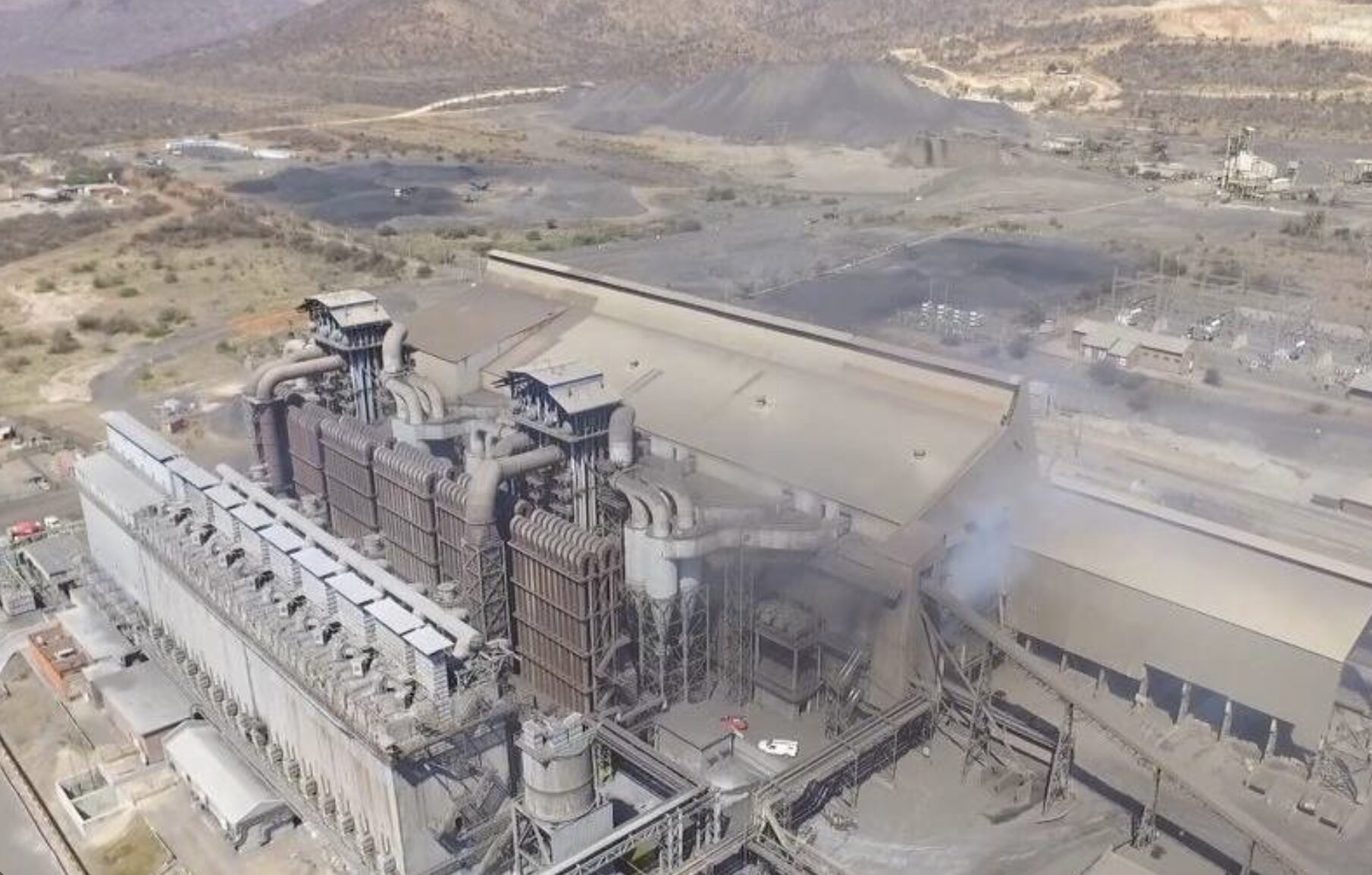
The ferrochrome sector has long been among the country’s largest industrial consumers of electricity and a significant source of air pollution, with smelters contributing to particulate emissions, greenhouse gas emissions and other environmental impacts. Environmental advocates and energy transition analysts argue that continued reliance on subsidised coal based electricity risks delaying necessary investment in cleaner energy solutions.
Questions are also being raised about whether the sector should have already begun transitioning towards renewable energy procurement, wheeled power agreements and self-generation projects in line with global industrial decarbonisation trends.
Across major commodity markets, including Europe and Asia, industrial producers are increasingly investing in renewable energy to reduce carbon exposure, improve competitiveness and meet the sustainability requirements of international buyers.
For NERSA, the decision may ultimately be judged not only on its ability to preserve current employment and industrial output, but also on whether it advances the long term interests of future generations or plays puppet to a ruling party whose membership and voter base is in rapid decline. As South Africa seeks to attract green industrial investment and position itself within emerging low carbon supply chains, the challenge will be ensuring that industrial support measures are aligned with both economic development objectives and environmental sustainability goals.
The approval may have prevented immediate plant closures and job losses, but it also raises fundamental questions about the role of electricity pricing in driving industrial transformation and whether regulatory support should be conditional on measurable progress towards cleaner energy and lower emissions.
Author: Bryan Groenendaal