
- New solution targets rising grid instability linked to high renewable penetration.
- China sets VPP capacity targets of 20 GW by 2027 and 50 GW by 2030.
- Platform combines AI driven optimisation, forecasting and power trading capabilities.
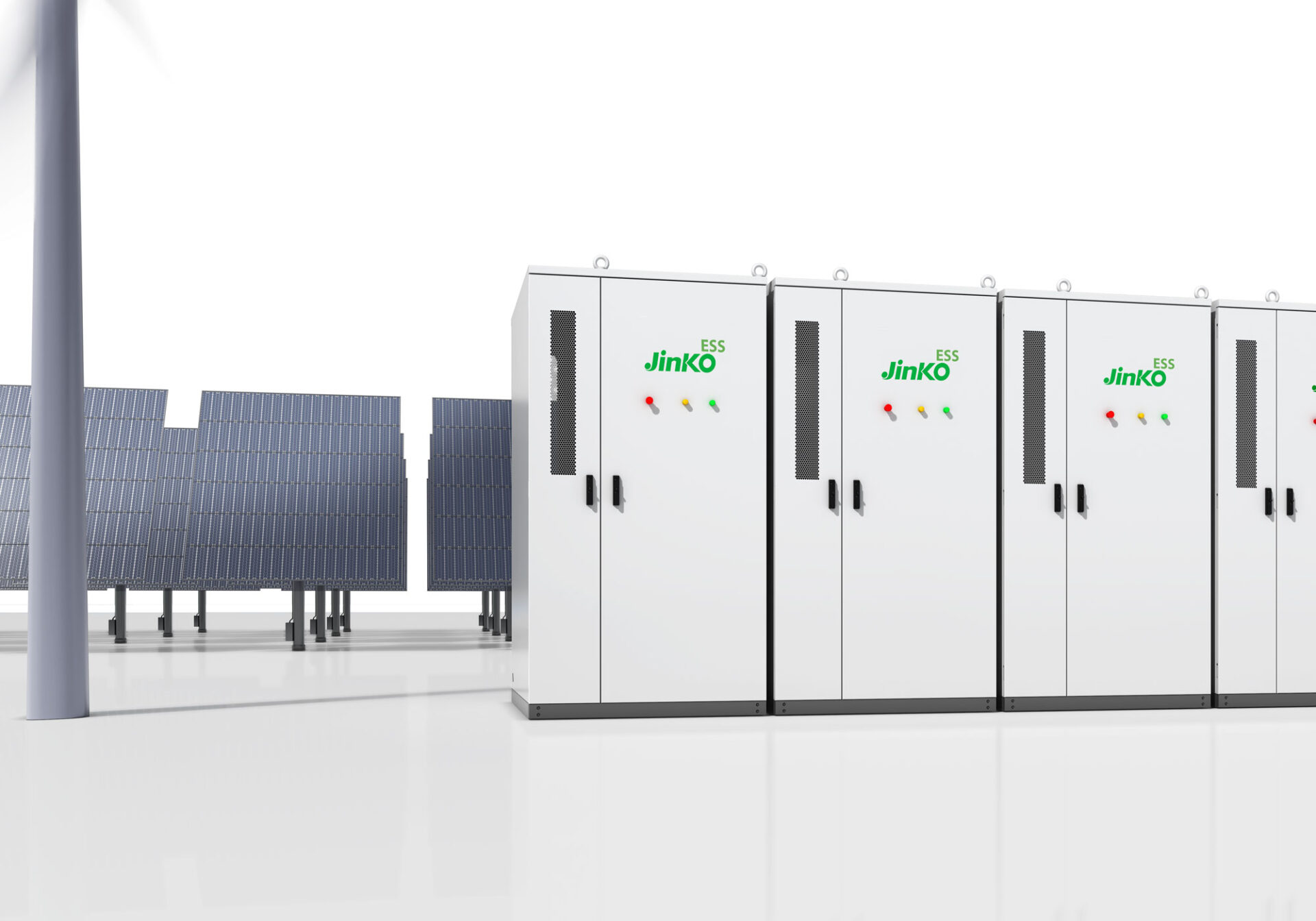
Jinko ESS, a subsidiary of Jinko Solar, has unveiled an integrated Virtual Power Plant (VPP) solution at the 14th Energy Storage International Conference and Expo held in Beijing, signalling its strategic shift toward becoming a full service energy solutions provider.
The new platform is designed to address growing structural challenges in modern power systems as renewable energy penetration increases. With wind and solar capacity expanding rapidly, grids are facing reduced flexibility, supply demand imbalances and rising levels of renewable curtailment.
Jinko ESS said its solution enables distributed energy resources to move beyond passive grid connection toward active aggregation and dispatch, unlocking additional value streams while supporting grid stability.
The announcement comes amid accelerating policy support for Virtual Power Plants in China. Recent guidelines issued by the National Development and Reform Commission formally recognise VPPs as independent market participants and set deployment targets exceeding 20 GW by 2027 and 50 GW by 2030. Market mechanisms are also evolving from subsidy driven structures toward market based trading and cross regional integration.
At the core of the solution is Jinko ESS’s Virtual Battery platform, built on a cloud station edge architecture. The cloud layer integrates IoT enabled data acquisition with centralised platforms that connect directly to electricity markets and dispatch centres. The station layer uses an energy management system to control devices at asset level, while the edge layer aggregates distributed resources such as solar PV, battery storage, flexible loads and electric vehicles.
The platform is powered by four algorithm clusters that enable dynamic dispatch, predictive maintenance and system optimisation. These include operations research for dispatch optimisation, machine learning for equipment performance prediction, deep learning for renewable generation and load forecasting, and model predictive control to reduce costs and improve system resilience.
Looking ahead, Jinko ESS is developing a next generation system based on advanced energy foundation models, marking a shift toward AI native operations. The company said its AI driven trading engine will support applications such as peak valley arbitrage, spot market participation and multi scenario optimisation, while an integrated risk control system will provide real time price alerts and rapid response to dispatch deviations.
As electricity market reforms deepen and decarbonisation targets approach, Jinko ESS expects its VPP platform to play a key role in improving grid flexibility, enabling higher levels of renewable integration and optimising energy resource allocation. The company added that the continued rollout of VPP pilot projects and the maturation of spot electricity markets will further unlock the value of such solutions.
Author: Bryan Groenendaal