- Court combines leave to appeal and full appeal into a single process.
- Environmental authorisation for Block 5/6/7 remains set aside.
- The case is expected to shape governance standards in energy and environmental decision making.
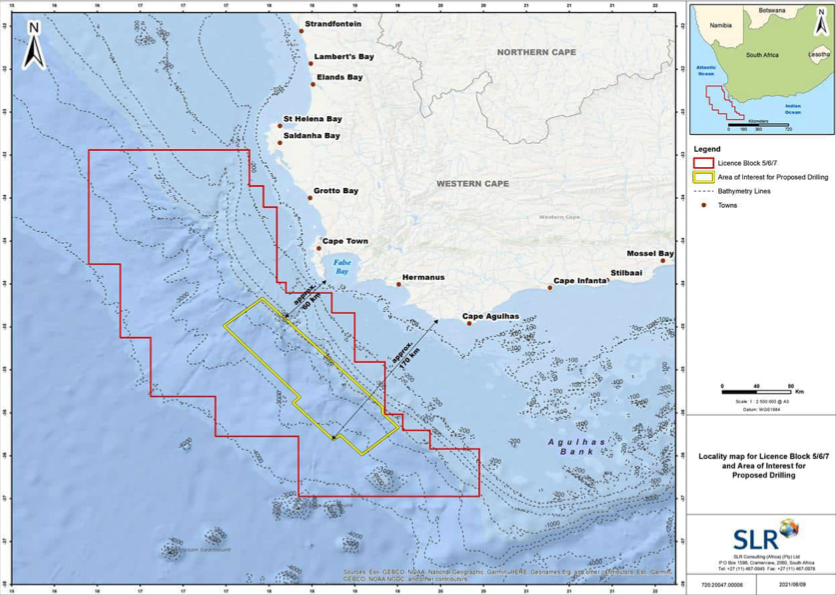
South Africa’s Supreme Court of Appeal has taken a significant procedural step in the ongoing legal dispute over offshore oil and gas exploration in Block 5/6/7, opting to consolidate the appeal process into a single hearing.
Civil society organisations The Green Connection and Natural Justice have welcomed the decision, which defers a ruling on whether to grant leave to appeal and instead directs that this question be heard together with the full merits of the case.
According to Neville van Rooy of The Green Connection, the move creates a unified process that accelerates the path to accountability while ensuring that substantive issues identified by the High Court are fully considered. These include the government’s failure to adequately assess risks to small scale fishers and the uneven distribution of risks and benefits linked to offshore oil and gas development.
Related news: South Africa moves to introduce a flexible, risk based environmental impact assessment system
The case is widely viewed as a test of governance in South Africa’s energy sector, particularly as the country navigates energy security concerns alongside climate commitments. At its core, the appeal will examine whether decision making processes sufficiently accounted for environmental risks, socio economic impacts and meaningful public participation.
The dispute follows a 2025 ruling by the Western Cape High Court, which set aside the environmental authorisation granted for offshore drilling in Block 5/6/7. The court found that the approval process did not comply with legal requirements, citing inadequate assessment of environmental and socio economic risks.
In November 2025, the High Court upheld its decision and granted limited leave to appeal to the State and Shell on two specific issues, namely lifecycle climate impacts and transboundary environmental harm.
Subsequently, both parties petitioned the Supreme Court of Appeal to broaden the scope of the appeal to include additional concerns such as public participation, socio economic impacts and compliance with coastal legislation. This latest ruling arises from that petition.
In early 2026, The Green Connection and Natural Justice opposed the expansion of appeal grounds, arguing that the High Court had already identified serious flaws in the approval process and that these should not be revisited.
The Supreme Court of Appeal will now consider all key legal questions together. These include whether the Minister had access to complete and reliable information when granting the environmental authorisation, whether affected communities were meaningfully consulted, and whether environmental and coastal laws were properly applied.
Van Rooy emphasised that the case is not about courts determining climate policy, but rather about ensuring that existing laws were followed and that climate, environmental and socio economic risks were properly evaluated.
Importantly, the environmental authorisation for Block 5/6/7 remains invalid. No offshore drilling can proceed unless a new authorisation is granted through a lawful and compliant process.
The hearing date has not yet been set, but is expected to follow the submission of written arguments, typically several months in advance. The outcome is anticipated to establish a binding precedent for how energy and environmental decisions are assessed in South Africa, particularly in relation to climate accountability and public participation.
Author: Bryan Groenendaal