- Generation rises 13% year on year to 6,399 GWh, exceeding target by about 10%.
- Reservoir storage rebounds from about 20% to 56%, easing operating constraints.
- Infrastructure and local development projects continue across Tete Province.
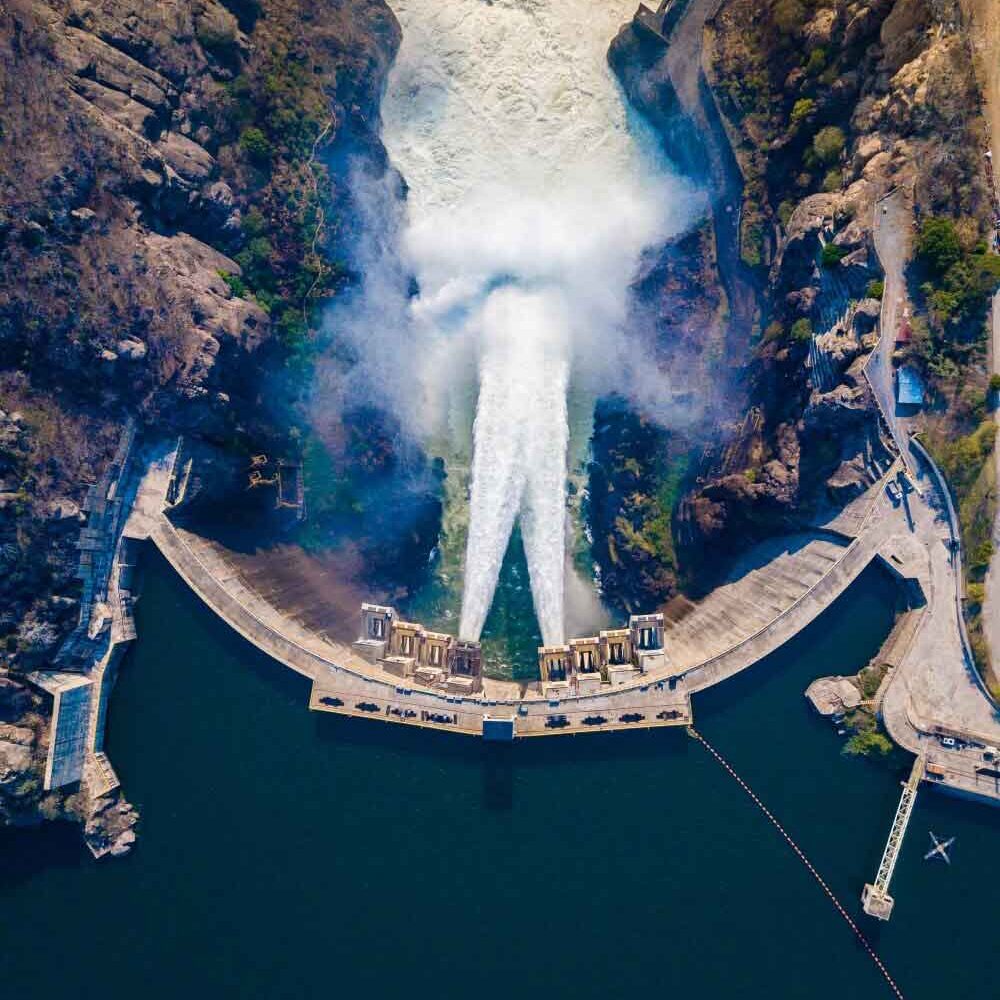
Cahora Bassa Hydroelectric Power Plant, one of Southern Africa’s largest independent hydropower producers, reported a strong operational performance in the first half of 2026 with electricity generation of 6,399 GWh.
The result marks a 13% increase compared with the same period in 2025 and exceeds the company’s production forecast for the period by about 10%. The performance reflects tighter water resource management, allowing higher output while supporting recovery of reservoir levels and strengthening energy security.
Improved hydrological conditions in the Zambezi Basin, particularly around Cahora Bassa, combined with operational, engineering and maintenance measures, supported a significant recovery in storage capacity. Usable storage rose by about 35 percentage points between January and June, climbing from around 20% to 56%, equivalent to a water level of 316.22 metres.
The recovery follows two consecutive years of severe drought and creates conditions for a gradual easing of operational restrictions that have been in place since July 2024. Despite the rebound, output remains below historical peaks as the region continues to recover from prolonged dry conditions and the plant undergoes ongoing rehabilitation work.
HCB’s performance was also reflected in capital market activity. Shares traded on the Mozambique Stock Exchange reached a high of 3.00 meticais per share during the period, with about 27.5 million shares changing hands for a total value of roughly 80.5 million meticais.
The company continues to invest in infrastructure and socio economic development in Tete Province. Key projects include the rehabilitation of a 112 km section of National Road 301 linking Matambo and Maroeira, and the construction and equipping of a district hospital serving Cahora Bassa and neighbouring districts.
Additional initiatives include the Transform project, which focusses on essential infrastructure and sustainable agriculture and livestock systems, and a local economic development programme aimed at building service companies linked to HCB operations. These efforts are intended to support job creation, strengthen local supply chains and promote long term community development.
At the same time, HCB is progressing plant rehabilitation and expansion initiatives to secure future capacity. These include modernisation of key equipment and plans linked to new generation and transmission projects to support regional power trade within the Southern African Power Pool.
Author: Bryan Groenendaal