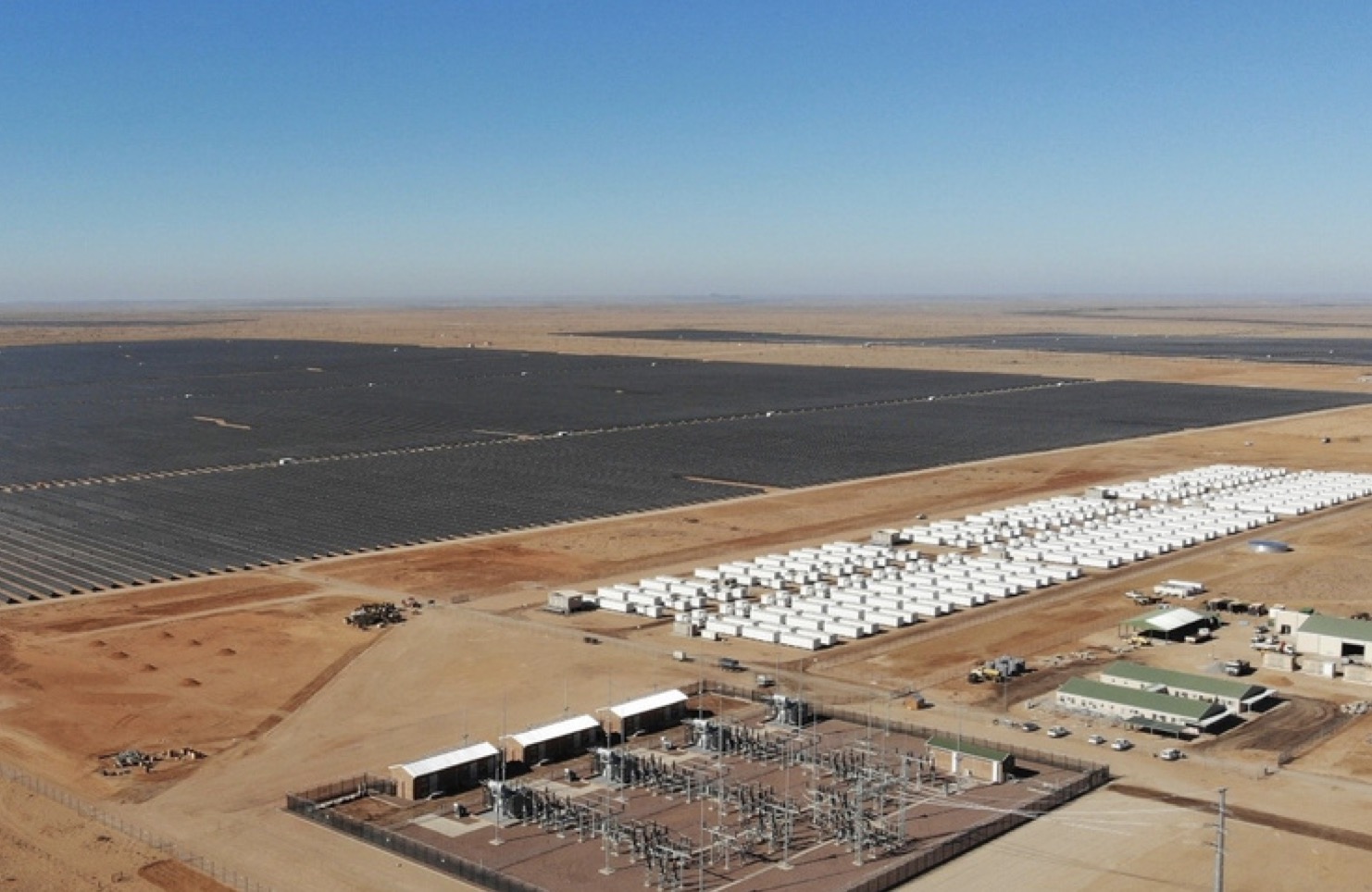
- Global BESS capacity reached 267 GW and 610 GWh after adding 104 GW and 257 GWh in 2025.
- Real world performance often diverges from nominal ratings due to system design and operating conditions.
- Six key metrics identified to assess system health and long term reliability.
The International Energy Agency Photovoltaic Power Systems Programme (IEA PVPS) has released a new report analysing the performance and reliability of battery energy storage systems integrated with solar PV plants under real operating conditions. The study, produced under Task 13, reviews current technologies, defines practical performance metrics and identifies research gaps based on field data and case studies.
The publication comes as solar PV combined with battery storage continues to expand across residential, commercial and utility scale markets. In 2025 alone, global installations added 104 GW and 257 GWh of battery storage, bringing total installed capacity to 267 GW and 610 GWh. The trend reflects growing demand for flexible and dispatchable renewable energy solutions beyond traditional applications in electric vehicles and consumer electronics.
According to the report, the performance of solar plus storage systems is influenced by a wide range of factors beyond battery chemistry. These include system topology, inverter behaviour, control logic, operating profiles, temperature conditions and firmware. Together, these elements determine efficiency, degradation rates, end of life estimation and operational reliability.
Field evidence shows notable gaps between expected and actual system performance. Case studies, particularly from residential installations, reveal variability in efficiency levels, inverter losses, state of charge estimation accuracy, cell balancing and thermal management. These discrepancies highlight the need for improved monitoring frameworks and more consistent data quality across installations.
The report identifies six core indicators for assessing system performance and health. These include capacity, power tolerance, internal resistance, round trip efficiency, response time and standby losses. The agency notes that using these metrics can support better fault detection, more accurate ageing analysis and improved operational decision making.
IEA PVPS emphasises that harmonised monitoring standards, open access to high quality data and validated ageing models will be critical to ensure reliable and cost effective deployment of solar PV paired with battery storage as adoption accelerates globally.
Link to the full report HERE
Author: Bryan Groenendaal