
- Government moves to diversify the power mix and strengthen grid resilience through an $80 million utility scale solar development to offset reliance on hydropower exposed to drought.
- The public private partnership brings together ZESCO Limited, Jigsaw Investments and Power China to deliver new capacity by 2026.
- The news comes as construction begins on the second phase of the Chisamba project in the Chisamba District, Central Province, which will add another 100MW capacity. Read more
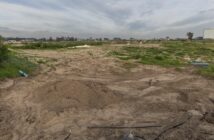
Zambia has marked a significant milestone in its energy transition with the launch of the Siavonga 100 MW solar photovoltaic project in the Siavonga District, Southern Province.
Speaking on behalf of the Minister of Energy, Permanent Secretary for Electricity Engineer Arnold Simwaba said the project demonstrates the government’s focus on converting energy policy into bankable investments that address climate risk while supporting long term economic growth.
He noted that solar power is becoming increasingly strategic as the country faces ongoing hydrological challenges that constrain hydropower generation. According to Simwaba, the Siavonga project will help stabilise electricity supply while meeting rising demand from households, commercial users and industry.
Simwaba also praised traditional leaders in Siavonga for making land available for the development, adding that their cooperation has enabled timely progress and reinforced Zambia’s standing as an investor friendly destination for energy infrastructure.
The 100 megawatt facility will be developed by JIGSCO Energy Corporation Limited, a joint venture between ZESCO Limited and Jigsaw Investments. Power China has been appointed as the engineering, procurement and construction contractor.
Scheduled for completion in December 2026, the plant is expected to add meaningful capacity to the national grid and support Siavonga’s gradual shift from reliance on hydropower to a more diversified energy mix anchored by solar generation.
The project aligns with Zambia’s Integrated Resource Plan and the 2019 National Energy Policy and is expected to contribute to ending load shedding while delivering wider socio economic benefits, including job creation, skills development and sustainable local economic activity.
Author: Bryan Groenendaal
For enquiries on the African continent, email: africa@jasolar.com