


- Western Cape High Court to hear challenge against TGS offshore seismic survey approval on 1 and 2 June 2026.
- Fishing groups and environmental organisations argue social, environmental and climate risks were not properly assessed.
- Case follows earlier court ruling that overturned approval for a separate West Coast seismic survey project.
A legal challenge over proposed offshore seismic surveys along South Africa’s West Coast and Northern Cape coastline is moving closer to a full court hearing, with the applicants and respondents now filing their Heads of Argument and joint practice note in the Western Cape High Court.
The case has been brought by the Aukotowa Fisheries Primary Co-operative, together with environmental organisations The Green Connection and Natural Justice, against the South African government and TGS Geophysical Company UK Ltd.
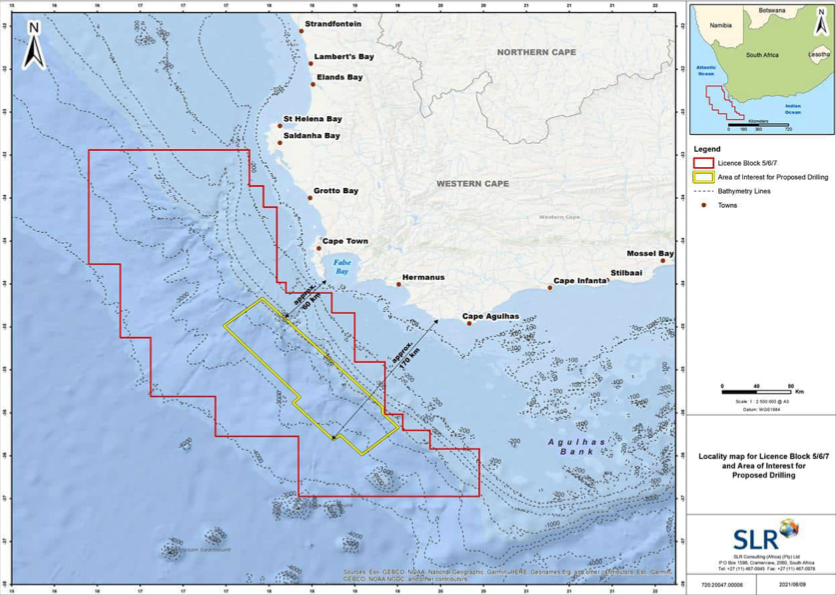
The applicants are seeking a judicial review of the authorisation granted for offshore seismic surveys proposed by TGS along sections of South Africa’s West Coast and Northern Cape shoreline.
According to The Green Connection Outreach Ambassador Neville van Rooy, the legal challenge centres on whether government decision makers had access to and properly considered all relevant information before approving the project.
Van Rooy said the applicants’ expert evidence aims to demonstrate that critical issues were not adequately assessed, particularly the potential impacts on small scale fishing communities, coastal livelihoods and marine ecosystems.
The proposed survey would use seismic airguns to release powerful sound pulses into the ocean every few seconds over several months to map potential offshore oil and gas reserves beneath the seabed.
The applicants argue that the environmental assessment process failed to properly evaluate the cumulative impacts of prolonged seismic blasting, including concerns that underwater noise pollution may travel much further than reflected in the environmental reports relied upon during the approval process.
Walter Steenkamp from the Aukotowa Fisheries Primary Co-operative in Port Nolloth said exclusion zones around survey vessels could prevent small scale fishers from accessing traditional fishing grounds for extended periods, placing food security and livelihoods at risk.
He added that the case is fundamentally about accountability and ensuring government decisions with long term consequences are based on all relevant facts, including social and economic risks facing coastal communities.
The matter follows earlier successful litigation against a proposed West Coast seismic survey by Searcher Geodata, where the High Court found significant flaws in the project approval and consultation process.
In that earlier judgment, the court ruled that important environmental and social impacts affecting fishing communities and marine ecosystems had not been adequately considered before authorisation was granted.
The applicants in the current case also contend that authorities failed to fully assess whether the proposed project would contribute meaningfully to South Africa’s long term energy security objectives or align with the country’s climate commitments and carbon reduction targets.
Van Rooy said major energy projects promoted as solutions to energy security or economic development challenges must undergo rigorous scrutiny before irreversible decisions are made.
The applicants further argue that the South African coastline is a shared public resource that must be protected in the interests of all citizens, rather than primarily serving private industrial interests linked to fossil fuel exploration.
The matter is scheduled to be heard in the Western Cape High Court on 1 and 2 June 2026.
Author: Bryan Groenendaal




2 Comments
And the well-being of all the sea creatures? Are they ever considered?
These seismic blasts affect whales in a monumental way. They become disorientated. Also surface to quickly causing organ damage.