- US$300 million programme co financed by the African Development Bank and AIIB will expand grid and off grid electricity access across Rwanda.
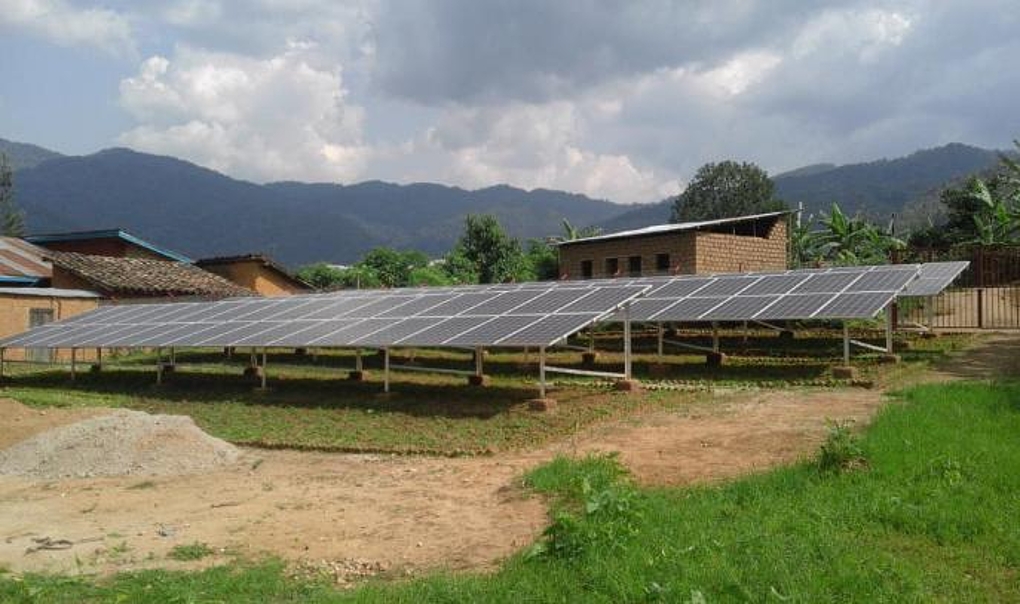
- Phase II aims to connect 250,000 additional households and improve clean cooking access for 100,000 homes.
- New infrastructure investments will strengthen grid reliability, support SMEs, and improve healthcare and public services.
The African Development Bank Group, in partnership with the Government of Rwanda and the Asian Infrastructure Investment Bank, has launched the Energy Sector Results Based Financing Phase II programme to accelerate universal access to reliable, affordable, and clean energy across the country.
The programme carries a total investment value of US$300 million, comprising a US$200 million loan from the African Development Bank and US$100 million from AIIB. The initiative will be implemented by Rwanda’s Ministry of Infrastructure through the Rwanda Energy Group, together with the Energy Development Corporation Limited and the Energy Utility Corporation Limited.
The second phase builds on the success of the initial Results Based Financing programme, which expanded energy access to more than two million people. The first phase deployed off grid solutions to at least 370,000 households and enabled access to clean cooking for 460,000 people, while also supporting job creation across Rwanda’s energy value chain.
Under the programme’s results based financing model, disbursements are tied to independently verified targets. The approach is designed to strengthen accountability while accelerating improvements in electricity transmission and distribution infrastructure, grid reliability, and access to electricity.
Jean Bosco Mugiraneza, Director General for Energy at Rwanda’s Ministry of Infrastructure, said the first phase strengthened implementation systems and accountability mechanisms.
“We are building on these lessons to accelerate connections, improve service reliability, and deliver greater impact for households, businesses, and productive users across Rwanda,” he said.
RBF II will support the rehabilitation of four substations and the construction of approximately 3,855 km of medium and low voltage transmission lines. The programme is expected to connect an additional 200,000 households and 850 commercial users to the national grid, while a further 50,000 households will receive off grid electricity access.
The initiative will also distribute clean cooking devices to 100,000 households and 310 public institutions, while installing street lighting along 200 km of roads in secondary cities.
According to the African Development Bank, the increased electrification will help lower operating costs for small and medium sized enterprises, improve productive energy use in rural communities, and strengthen essential public services including healthcare delivery.
Aissa Toure Sarr, the Bank Group’s Country Manager for Rwanda, described the programme as a transformative investment that would accelerate progress towards universal energy access.
“Through our partnership with AIIB and the Government of Rwanda, we are leveraging co financing to scale impact while ensuring accountability, efficiency, and tangible results for communities across the country,” she said.
The launch event included a high-level technical workshop involving government institutions, development partners, and implementing agencies to align procurement, financial management, environmental safeguards, and monitoring systems.
The programme supports Rwanda’s target of achieving universal electricity access by 2030 and aligns with the African Development Bank’s infrastructure strategy focused on climate resilient development and reducing the rural urban infrastructure gap.
RBF II also forms part of the Bank’s wider energy investment portfolio in Rwanda, which includes the Ruzizi III Hydropower Project and the Rwanda Transmission System Reinforcement and Last Mile Connectivity programme.
Author: Bryan Groenendaal