- Six criminal charges laid following repeated destruction of Eskom infrastructure.
- More than 50 incidents reported in Belhar amid rising theft across Western Cape.
- Eskom spent about R123 million on security in 2025/26 as attacks intensify.
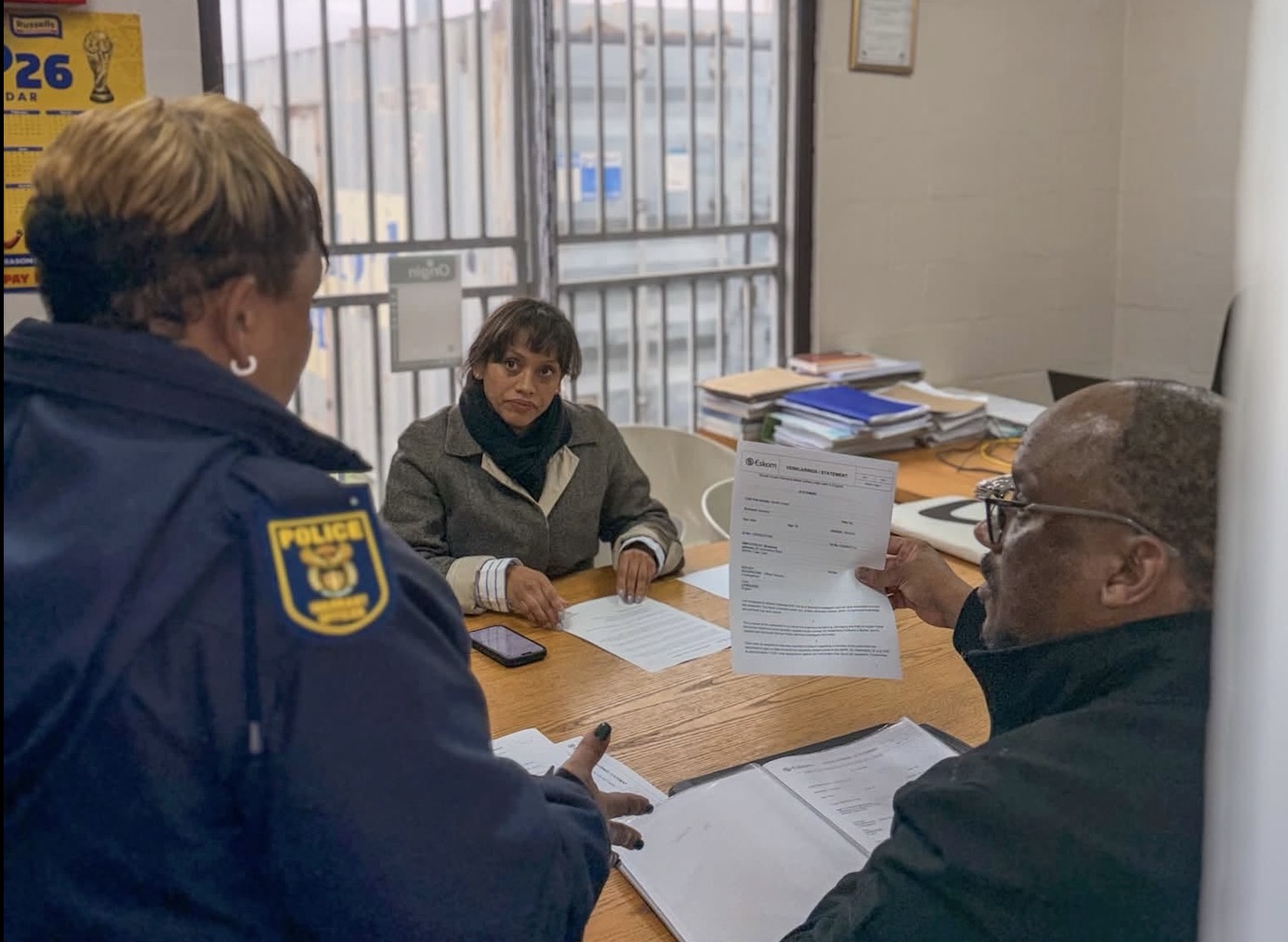
South Africa Deputy Minister of Electricity and Energy Alexandra Abrahams has laid six criminal charges linked to the destruction of Eskom infrastructure in Belhar, Cape Town, after ongoing vandalism left large parts of the community without electricity for extended periods.
The charges relate to malicious damage to property and theft, following consultation with Eskom and support from its officials. The action comes after a surge in incidents where criminals burn Eskom kiosks to access and steal underground cables, with more than 50 cases recorded in Belhar alone.
The situation reflects a broader and growing threat to electricity infrastructure across the Western Cape. Eskom reports more than 2,000 incidents of theft and vandalism each year, with the Delft customer network centre, which includes Belhar, recording the highest number of cases in its trend analysis.
In response to escalating risks, Eskom allocated about R123 million to security measures in the Western Cape during the 2025 to 2026 financial year. Despite these efforts, repeated attacks continue to disrupt supply and strain resources, with infrastructure designed to last more than 30 years in some cases damaged or stolen within months of installation.
During a recent community engagement, the Deputy Minister received information about an alleged perpetrator and escalated the matter to Eskom for urgent attention. The case will now be investigated by the South African Police Service, with authorities expected to pursue legal action where evidence supports prosecution.
Eskom has introduced mitigation measures in high risk areas, including replacing fibreglass kiosks with steel structures and switching from copper to aluminium cables. However, ongoing vandalism continues to delay restoration work and deplete material stocks.
Abrahams said that damage to electricity infrastructure is a serious criminal offence with wide ranging consequences for communities. She called for coordinated action between residents, Eskom, law enforcement and government to ensure accountability and protect essential services.
She added that continued engagement with Eskom and the police will focus on strengthening infrastructure protection, ensuring investigations are completed, and directing all reported cases through the appropriate channels.
Author: Bryan Groenendaal