- High Court compels Ministry of Mineral Resources and Energy to release 2021 to 2022 REIPPPP solar tender records to ARTsolar following local content compliance allegations.
- ARTsolar claims independent power producers failed to meet mandatory local manufacturing thresholds, contributing to job losses exceeding 300 roles.
- Parallel regulatory disputes intensify scrutiny of South Africa renewable energy procurement, import concessions and industrial policy outcomes.
A High Court in South Africa has ordered the Ministry of Mineral Resources and Energy to release tender documentation linked to the Risk Mitigation Independent Power Producer Procurement Programme (RMIPPPP), awarded in 2021, and bid windows five and six of the country’s flagship Renewable Energy Independent Power Producer Procurement Programme (REIPPPP), awarded in 2021 and 2022.
The ruling follows allegations that preferred bidders did not meet mandatory local content requirements for photovoltaic modules, raising concerns over compliance with domestic industrialisation rules and the protection of local manufacturing jobs.
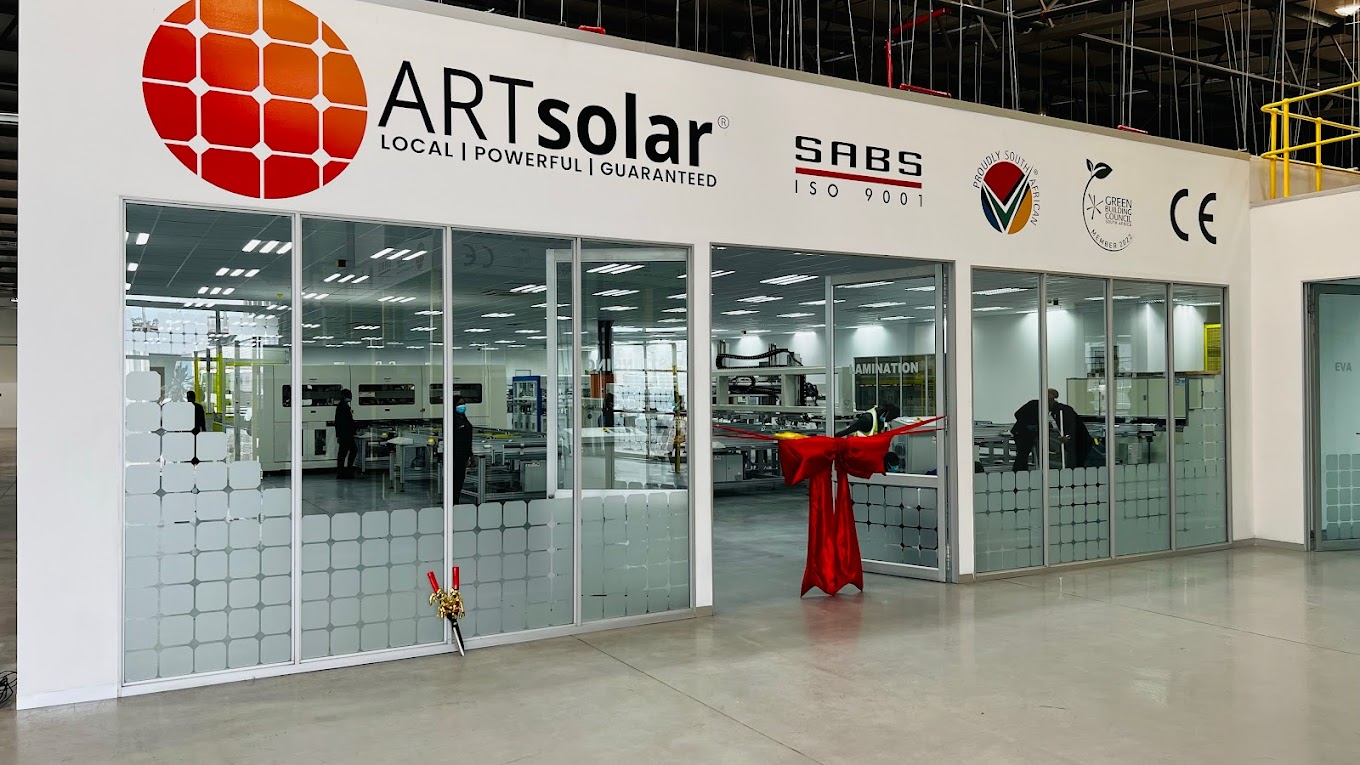
ARTsolar’s application named 26 respondents, including several government ministers, South Africa’s electricity utility Eskom, the National Transmission Company of South Africa, and the 18 independent power producers and associated joint venture companies awarded contracts across the three tenders.
ARTsolar has told pv magazine that it began receiving the requested records for review in February 2026 which are now currently undergoing review and assessment as part of the legal process. Read more
The unfolding legal dispute is taking place against a wider backdrop of regulatory scrutiny in South Africa’s renewable energy sector, particularly around import frameworks and local content enforcement. Attention has turned to the use of staged consignment import concessions administered through the South African Revenue Service in coordination with the Department of Trade, Industry and Competition. These provisions allow large scale renewable energy projects to import equipment under a blanket approval system intended to streamline complex infrastructure delivery. Read more
Critics argue that the system has been applied in ways that extend beyond its intended scope, enabling duty free importation of a wide range of goods including materials that could be sourced locally. Industry estimates suggest that revenue losses linked to such mechanisms may approach R20 billion, including approximately R4.2 billion in direct tax collection losses, raising concerns about fiscal leakage and weakened industrial development outcomes.
There are also concerns that staged consignments may be contributing to reduced local employment creation. Industry stakeholders argue that imported equipment is often accompanied by foreign technical teams, limiting opportunities for domestic skills development and installation work. Questions have also been raised about the adequacy of oversight during project implementation, with claims that verification of local content and labour commitments during construction remains inconsistent.
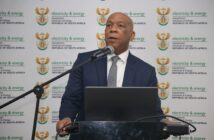
The controversy has also renewed focus on South Africa’s Renewable Energy Masterplan, which aims to support industrialisation, localisation and the creation of up to 25000 jobs by 2030. Electricity and Energy Deputy Minister Samantha Graham Maré has emphasised the importance of aligning skills development, manufacturing growth and inclusive participation in the renewable energy sector.
However, industry participants argue that current policy instruments do not adequately address enforcement gaps related to import concessions and post award verification of commitments made during bidding. Transparency over approvals and audits remains limited, particularly regarding adherence to local content, empowerment and employment targets.
As legal proceedings and investigations continue, stakeholders across the energy value chain are calling for a comprehensive forensic review of projects awarded under the Renewable Energy Independent Power Producer Procurement Programme to assess compliance with contractual obligations and industrial policy objectives, particularly in relation to local manufacturing development, empowerment outcomes and job creation performance.
Author: Bryan Groenendaal