- Power tariffs for major smelters proposed cut from 87.74c to about 62c per kWh.
- 45 smelters targeted to return to operation by December 2026, supporting 11 480 direct jobs.
- Framework expected to unlock R76bn in exports and R17.9bn in additional Eskom revenue.
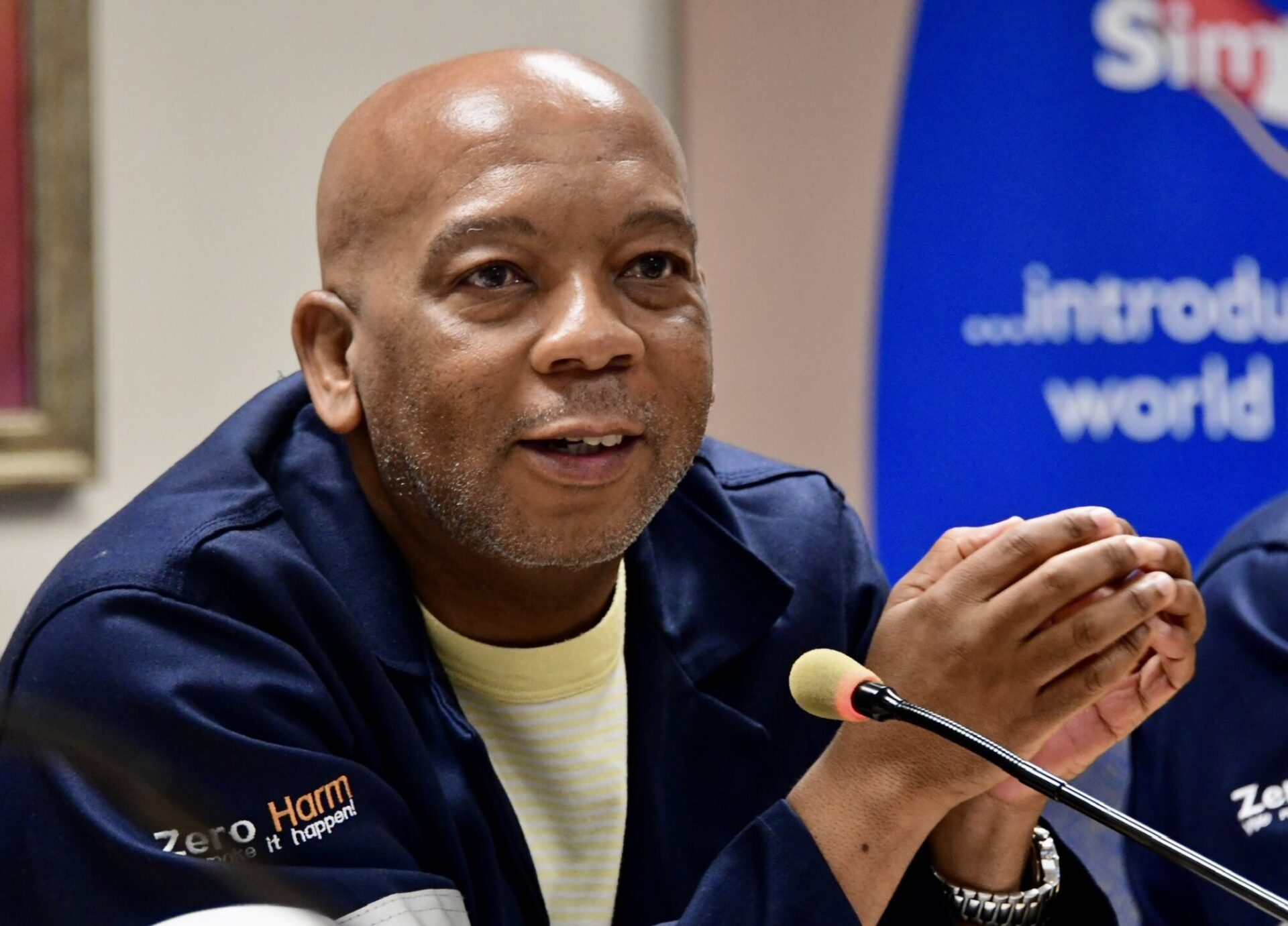
Electricity and Energy Minister Kgosientsho Ramokgopa has announced a comprehensive electricity tariff framework designed to stabilise and revitalise South Africa’s struggling ferrochrome industry.
Addressing the media on Friday, the Minister outlined government’s intervention to shield the energy intensive sector from escalating power costs and deteriorating market conditions that have placed operations and jobs at risk.
Central to the framework is a significant reduction in electricity tariffs for ferrochrome producers. Proposed tariffs for major smelters, including Samancor Chrome and the Glencore-Merafe venture, will decrease to around 62c per kWh. This compares with an interim tariff of 87.74c per kWh approved in January 2026 by the National Energy Regulator of South Africa.
Related news: Discounted tariffs signal Eskom’s intention to retain ferrichrome load in South Africa- at taxpayers expense?
Producers were previously paying about R1.35 per kWh before regulatory relief reduced tariffs to roughly 87c per kWh. According to Ramokgopa, a competitive benchmark aligned with global peers such as China is closer to 62c per kWh.
The Minister described the intervention as a turning point made possible by operational improvements at Eskom, which have stabilised generation capacity and created fiscal room to support energy intensive industries.
The move follows Section 189 retrenchment processes initiated by major producers, including Glencore and Samancor, which cited unsustainable electricity pricing as the primary driver of financial distress.
Ramokgopa emphasised that the framework has been structured within the existing fiscal envelope, including the national debt relief programme, and will not require new funding or shift costs onto residential consumers. He stressed that the measures are competitiveness interventions rather than subsidies.
While the initial phase targets Glencore and Samancor due to immediate operational pressures, the Minister confirmed that the support mechanism will be extended across the broader ferrochrome sector in a phased approach.
South Africa has 66 smelters, of which only 11 are currently operational. Government projects that 45 smelters will be operational by December 2026 and 49 by December 2027, representing 74% of national capacity.
The framework is expected to support approximately 11 480 direct jobs and up to 121 392 jobs across the value chain, including indirect employment.
In economic terms, government estimates the intervention will generate an additional R20bn in raw mineral expenditure for beneficiation, contribute R5.5bn in additional tax revenue, unlock about R76bn in export earnings and provide Eskom with R17.9bn in additional electricity revenue from round the clock smelter operations.
Ramokgopa aligned the intervention with President Cyril Ramaphosa’s call to advance beneficiation at source and reduce dependence on historical extraction patterns. He described electricity as the primary enabler of industrialisation and value addition.
Mteto Nyati, Chairperson of the Eskom Board, said the announcement marked a milestone in South Africa’s industrial recovery. He reiterated Eskom’s dual mandate to operate as a commercially viable utility while advancing developmental objectives, including job creation, exports and industrial growth.
The tariff framework signals a decisive shift in policy direction as government leverages improved grid stability to reindustrialise strategic energy intensive sectors and restore investor confidence in domestic beneficiation.
Author: Bryan Groenendaal