
Opinion
- Proposed 62 c per kWh framework entrenches preferential pricing for energy intensive smelters – at a loss for Eskom.
- Taxpayers remain exposed as Eskom carries R372bn debt and relies on nearly R496bn in state support.
- Discount strategy risks undermining wheeling, IPP procurement and broader electricity market reform.
Eskom’s latest update on support measures for the ferrochrome sector confirms what many in the market have suspected. The utility is moving decisively to retain its largest industrial loads through deep tariff concessions, even as South Africa’s electricity market opens to private generation and trader led wheeling.
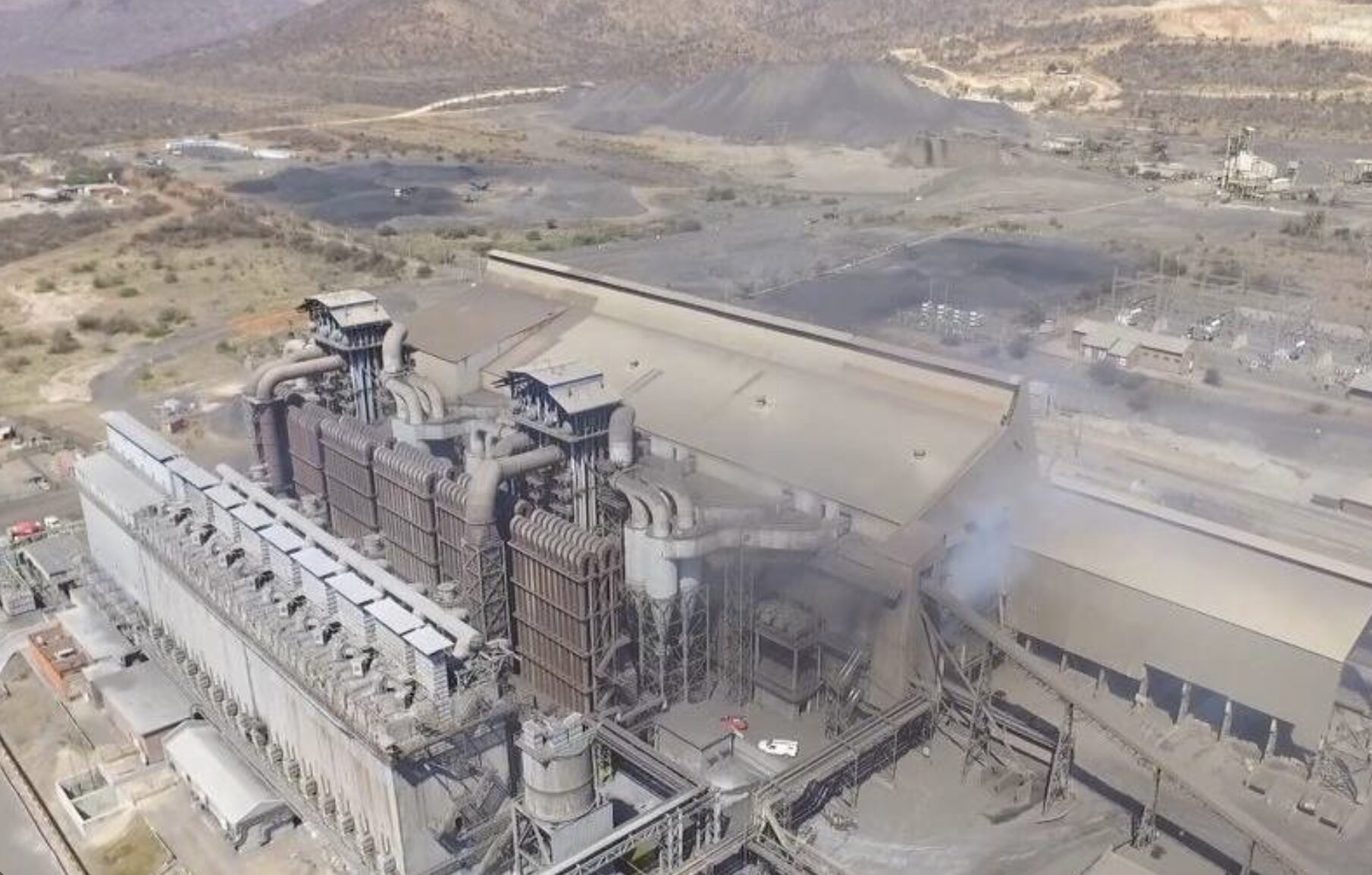
In December 2025 Eskom signed a Memorandum of Understanding with the Glencore Merafe Chrome Venture after both smelters activated hardship provisions under their Negotiated Pricing Agreements (NPA’s), which includes their exposure to local and international carbon tax. A time bound tariff of 87.74 c per kWh was introduced in January 2026 for 12 months, following approval by National Energy Regulator of South Africa of a 35.6% tariff reduction for Samancor Chrome and the Glencore Merafe Chrome Venture.
Now Eskom’s Board has supported a framework towards a tariff of 62 c per kWh, subject to regulatory approval from NERSA, the country’s energy regulator. This is a dramatic concession when measured against Eskom’s average standard tariff of approximately 220.92 c per kWh as of 1 April 2025.
The stated objective is to stabilise a distressed export industry and protect jobs. Yet the financial context cannot be ignored. National Treasury has indicated that bailouts and planned debt takeovers would reach nearly R496 billion in the 2025/26 fiscal year. Eskom’s debt burden stands at roughly R372 billion. Municipal arrears have climbed to R103.5bn, up 27% year on year. The R230bn debt relief package originally structured to halt the cycle of borrowing to service interest has since been converted into interest bearing relief, increasing long term fiscal exposure.
Against this backdrop, offering electricity at 62 c per kWh is not simply an industrial support measure. It is a strategic move to retain high volume customers who might otherwise procure power from independent producers through wheeling arrangements.
Related news: We support our customers with the technologies and services needed to integrate and balance intermittent renewables
The economics are straightforward. Ferrochrome smelters are highly energy intensive. With tariffs having increased by more than 300% between 2008 and 2023, many have explored alternatives including bilateral power purchase agreements with IPPs. South Africa’s wheeling framework has matured rapidly. Trader led aggregation models now enable portfolios of renewable generation, backed by battery storage, to deliver shaped and dispatchable supply to large off takers.
For ferrochrome producers, such models offer tariff certainty, decarbonisation benefits and insulation from Eskom volatility. For Eskom, however, large scale migration of energy intensive customers to IPP supply would accelerate revenue erosion within a balance sheet already under strain.
The pattern is not new. The 10 year Negotiated Pricing Agreement (NPA) approved in 2021 between Eskom and South32 for the Hillside aluminium smelter effectively grants a discount of about 50%, amounting to roughly R10bn per year below the standard Megaflex tariff. Civil society scrutiny only followed publication of the agreement after intervention by advocacy groups. That opacity continues to cloud public confidence in NPAs. Read more
Eskom maintains that the ferrochrome relief will not be cross subsidised by residential or commercial customers and that shortfalls will be managed through ring fenced mechanisms rather than the Regulatory Clearing Account. Even if structured off balance sheet, the economic reality remains. In a utility dependent on state support, revenue foregone at scale ultimately affects the public balance sheet.
This raises a fundamental policy question. Is South Africa advancing toward a competitive wholesale market anchored in transparent pricing and open grid access, or reverting to ad hoc industrial policy administered through negotiated discounts?
If ferrochrome producers are structurally uncompetitive at market-based electricity tariffs, the appropriate response is not necessarily deeper discounts from a fiscally constrained utility. It may be accelerated reform that enables direct IPP procurement, wheeling and aggregation at scale. That pathway would stimulate new generation investment, diversify supply and align with decarbonisation commitments.
By contrast, a 62 c per kWh framework risks signalling that Eskom load retention takes precedence over market liberalisation. It may protect specific facilities in the short term, but it delays the price discovery and capital allocation mechanisms that reform was designed to unlock.
South Africa’s electricity sector is indeed at a decisive phase. Private traders are building portfolios. Hybrid renewable and storage projects are reaching financial close. Industrial off takers are increasingly sophisticated in managing energy risk.
The question is whether Eskom will position itself as an enabler of this transition through fair wheeling access and cost reflective network pricing, or whether it will continue to defend market share through preferential tariffs underwritten, directly or indirectly, by taxpayers.
Discounted electricity at 62 c per kWh may stabilise smelters for now. But it also underscores the deeper tension between reform and retrenchment in South Africa’s evolving power market.
Author: Bryan Groenendaal
Disclaimer: The articles and videos expressed in this publication are those of the authors. They do not purport to reflect the opinions or views of Green Building Africa, our staff or our advertisers. The designations employed in this publication and the presentation of material therein do not imply the expression of any opinion whatsoever on the part Green Building Africa concerning the legal status of any country, area or territory or of its authorities.