- Eskom and Glencore Merafe Chrome Venture sign MoU following hardship provisions under existing pricing agreements.
- 12 month interim tariff of 87.74c per kWh introduced in January 2026 to stabilise operations.
- Proposed long term framework targets tariff of 62c per kWh, subject to NERSA approval.
Eskom has provided an update on its ongoing efforts to secure a long term sustainable solution for South Africa’s ferrochrome industry, a sector under severe pressure from rising electricity costs and deteriorating global market conditions.
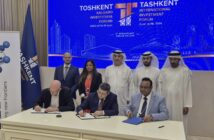
In December 2025, Eskom signed a Memorandum of Understanding with the Glencore Merafe Chrome Venture following engagements with the Minister of Electricity and Energy and organised labour. The agreement came after both smelters invoked hardship provisions contained in their existing Negotiated Pricing Agreements as operating conditions worsened and electricity tariffs became increasingly difficult to absorb.
As an immediate intervention, Eskom introduced a time bound tariff of 87.74c per kWh in January 2026 for a period of 12 months. While the measure provided short term operational stability, it underscored the urgency of establishing a more sustainable pricing framework for the energy intensive ferrochrome sector.
Eskom Group Chief Executive Dan Marokane said the utility remains focused on balancing industrial support with its responsibility to ensure a financially sustainable electricity supply.
Eskom and its Board have supported a framework towards a tariff of 62c per kWh, subject to defined terms and conditions and regulatory approval by the National Energy Regulator of South Africa. The proposed contract aims to stabilise the ferrochrome industry and support its recovery, while enabling Eskom to identify more appropriate long term price pathways for industries in distress.
Marokane said the framework reflects Eskom’s commitment to enabling industrial growth in line with national priorities, while maintaining financial discipline and protecting households and businesses from unintended cost impacts.
The proposed solution is the culmination of collaborative engagements between government, labour and industry stakeholders, with job preservation and energy security remaining central considerations.
Author: Bryan Groenendaal