- 15% of global oil demand and nearly 20% of global LNG supply disrupted.
- OPEC+ spare capacity inaccessible while transit remains blocked.
- LNG halt could trigger renewed Asia Europe competition for cargoes
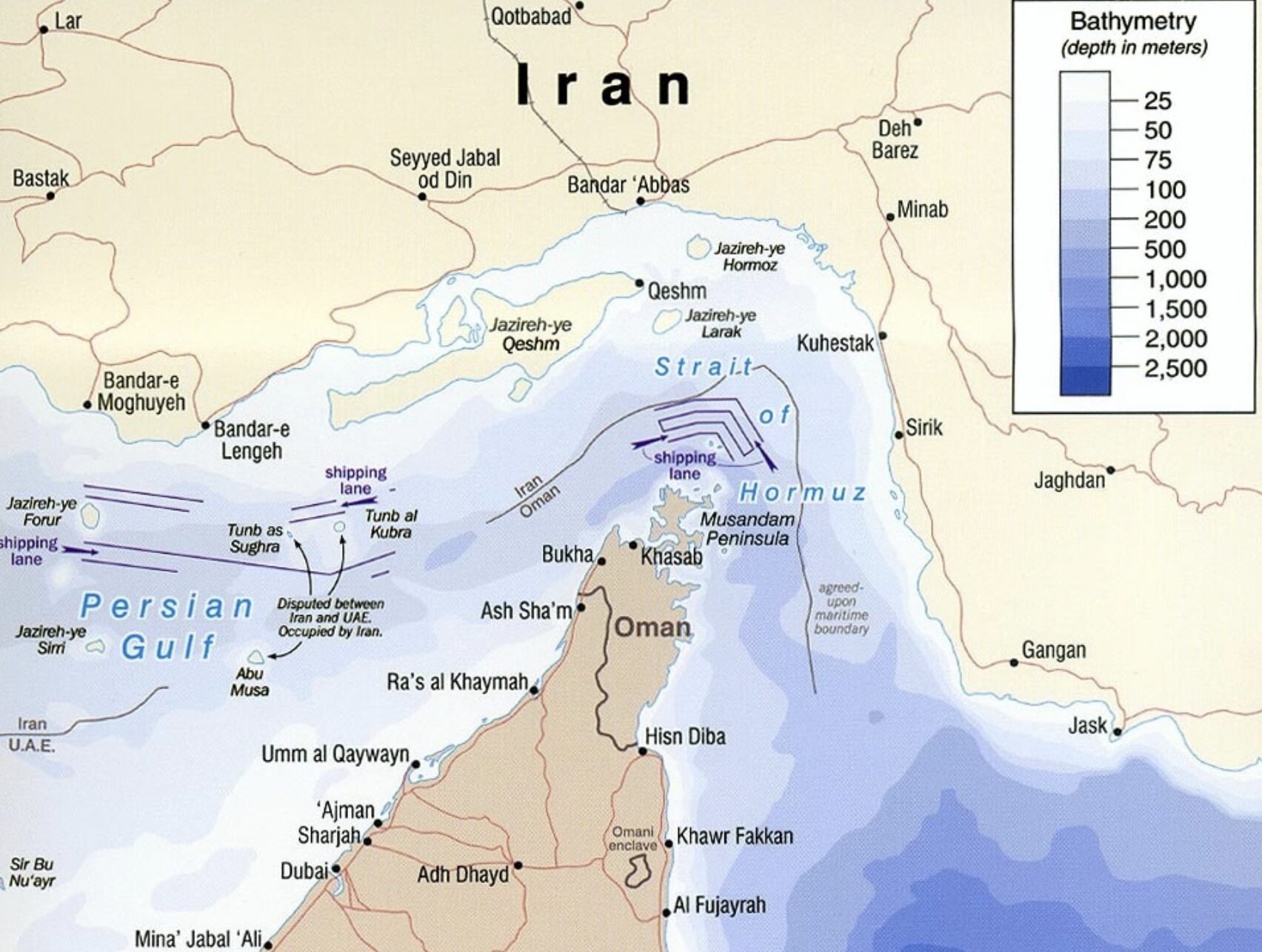
Oil prices could rise above US$100 per barrel if tanker flows through the Strait of Hormuz are not swiftly restored, following escalating geopolitical tensions that have effectively halted traffic through the critical energy corridor. According to Wood Mackenzie, the disruption threatens around 15% of global oil supply and close to 20% of global LNG supply.
The shutdown follows US and Israeli strikes on Iranian government, military and nuclear facilities. Iran subsequently warned vessels away from the waterway, while insurers withdrew coverage, bringing tanker movements to a standstill.
The closure represents a dual supply shock. Not only are current crude exports through the Strait halted, but additional OPEC+ volumes and much of OPEC’s spare capacity remain inaccessible while the route is blocked. This spare capacity has historically acted as a stabilising lever in the global oil market.
Alan Gelder, Senior Vice President of Refining, Chemicals and Oil Markets at Wood Mackenzie, said the critical question is how quickly export flows can resume. While tanker rates and insurance premiums are expected to surge, these costs would be marginal compared with the broader price impact should supply curtailments persist beyond a few days.
He noted that in an optimistic scenario it could still take several weeks for flows to normalise. During that period, oil prices face significant upside risk. The early phase of the Russia Ukraine conflict saw fears of disrupted Russian supply push crude above US$125 per barrel. In the current scenario, prices above US$100 per barrel are considered plausible if the impasse continues.
OPEC+ production response
Eight OPEC+ members responsible for voluntary production cuts, including Saudi Arabia, Russia, Iraq, UAE, Kuwait, Kazakhstan, Algeria and Oman, agreed on 1 March to begin unwinding the April 2023 1.65 million barrels per day cut. Output will increase by 206 000 barrels per day in April, with a further meeting scheduled for 5 April to assess next steps.
Gelder said the decision was not unexpected given market tightness in non sanctioned crude grades and uncertainty surrounding US Iran tensions. However, he cautioned that the move may prove ineffective if flows through the Strait remain suspended.
Alternative export routes such as Saudi Arabia’s East West pipeline to the Red Sea and additional Iraqi volumes via the Mediterranean offer partial mitigation. However, none can fully offset the loss of volumes transiting the Strait. Strategic stock releases by International Energy Agency member states could provide temporary relief, although these countries account for less than half of global oil demand.
Gas market implications
The impact on LNG markets could be equally severe. Approximately 81 million tonnes or 110 bcm of LNG transited the Strait in 2025, primarily from Qatar, representing nearly 20% of global LNG supply.
Massimo Di Odoardo, Vice President for Gas and LNG Research at Wood Mackenzie, said disruptions would likely reignite competition between Asia and Europe for available cargoes. European storage levels are currently below seasonal norms and about 10% lower than the same period last year following a severe cold spell in January.
Around 1.5 million tonnes or 2.2 bcm of LNG exports are at risk for each week that flows remain halted. Both Asian and European buyers would need to draw more heavily on storage while increasing summer restocking requirements, tightening market fundamentals even beyond the eventual resumption of trade.
Precautionary closures of Israel’s Leviathan and Karish gas fields, which supplied more than 10 bcm to Egypt last year, could intensify pressure, prompting higher Egyptian LNG imports. Potential disruptions to Iranian pipeline exports to Turkey, which exceeded 7 bcm in 2025, would further compound supply strain.
Di Odoardo noted that a sustained halt in LNG flows through the Strait would be comparable in scale to the curtailment of Russian gas supplies to Europe, which drove prices to nearly US$100 per mmbtu at their peak and averaged US$40 per mmbtu in 2022. However, unlike the prolonged disruption of Russian pipeline flows, a blockage in the Strait may be viewed as temporary, potentially tempering extreme price spikes. Even so, markets are expected to open with sharp gains, and any indication of prolonged disruption would likely accelerate the rally.
Looking ahead
Gelder said the closest historical parallel is the Middle East oil embargo of the 1970s, which lifted oil prices by 300% to around US$12 per barrel in 1974, equivalent to roughly US$90 per barrel in 2026 terms. Surpassing that level in today’s supply constrained market appears achievable.
He added that the global economy is significantly less oil intensive than it was five decades ago. Replicating the economic shock of the 1970s would likely require oil prices well above US$200 per barrel.
Author: Bryan Groenendaal