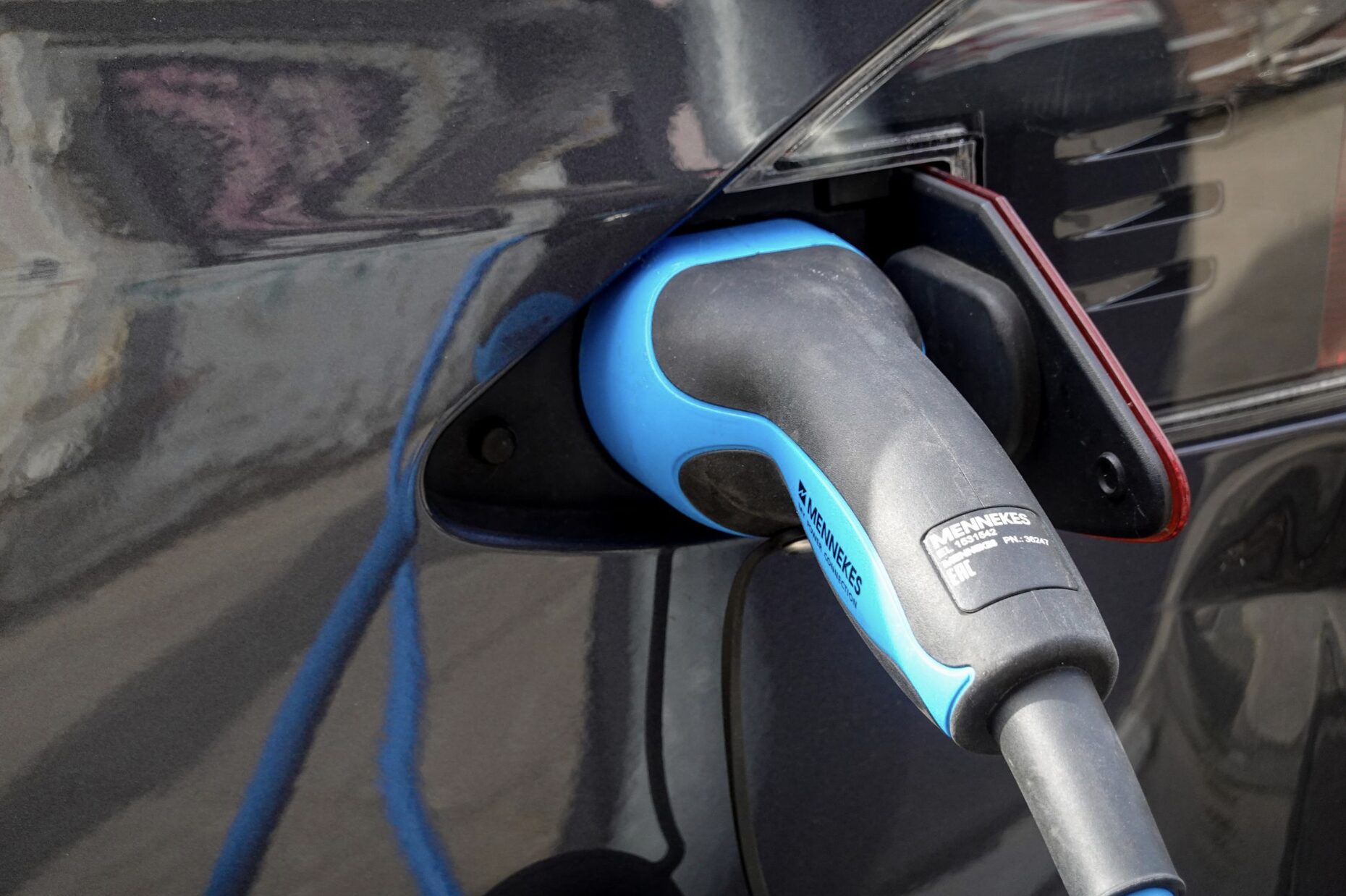
- Global passenger EV sales are expected to exceed 23 million units in 2026, representing 27% of all new car sales worldwide.
- Emerging markets including Southeast Asia, Latin America and Turkey are recording some of the fastest EV adoption rates globally.
- Road transport electrification is expected to push global road fuel demand to its peak by 2029, significantly reducing long term oil consumption.
Global passenger electric vehicle (EV) sales are set to reach another record high in 2026, with more than 23 million units expected to be sold worldwide, according to the latest Electric Vehicle Outlook 2026 from BloombergNEF (BNEF).
The report forecasts that electric vehicles will account for 27% of global passenger vehicle sales this year, up from just 9% five years ago. By 2035, EVs are expected to represent 52% of all new passenger vehicles sold globally.
The continued growth is being driven by falling lithium ion battery prices, the introduction of more affordable EV models and accelerating adoption across emerging markets. Higher fuel prices linked to the ongoing conflict involving Iran have also increased consumer interest in electric mobility, although BloombergNEF notes it is still too early to determine the full impact on vehicle purchasing decisions.
China remains the dominant force in the global EV market, accounting for 63% of all electric cars sold worldwide in 2025. Within China itself, EVs now represent almost 64% of domestic passenger vehicle sales. The country is expected to maintain its leadership position through the next decade, accounting for 52% of global EV sales by 2030.
At the same time, emerging markets are becoming increasingly important contributors to global growth. Countries such as Singapore, Vietnam, Thailand and Turkey are reporting EV adoption rates that now exceed those of the United States.
Nearly 50% of all vehicles sold in Singapore during 2025 were electric, while EVs represented 39% of vehicle sales in Vietnam and 27% in Thailand. Turkey’s passenger EV market more than doubled during the year, with electric vehicles accounting for 22% of all new car sales.
BloombergNEF attributes this growth to efforts to reduce dependence on oil imports, supportive industrial policies and strong participation by Chinese vehicle manufacturers.
Chinese brands accounted for 88% of all EV sales in Thailand during 2025, highlighting the growing influence of Chinese automakers in international markets. However, BloombergNEF notes that strong EV adoption can also be achieved through domestic manufacturing. In Vietnam, local manufacturer VinFast accounted for 98% of the country’s 179,000 EV sales in 2025. In Turkey, domestic producer Togg emerged as the country’s second largest EV brand behind BYD.
The rapid growth of electric mobility is expected to have a profound impact on global energy markets. BloombergNEF forecasts that total road fuel demand will peak in 2029 as vehicle electrification accelerates.
Under its Economic Transition Scenario, the combined effect of EV adoption and improved vehicle efficiency is expected to eliminate 25.8 million barrels per day of road fuel demand by 2040. This reduction is four times greater than the combined oil displacement expected across the aviation, marine and petrochemical sectors.
Despite the positive global outlook, BloombergNEF has lowered its EV adoption forecasts for the second consecutive year. The revised projections reflect slowing growth in China and a sharp deterioration in policy support in the United States.
In China, tighter eligibility requirements for EV incentives and a more mature market are expected to moderate future growth. In the United States, passenger EV sales are projected to decline by 19% in 2026 following the withdrawal of federal support measures, including the rollback of fuel economy regulations and reductions to incentives under the Inflation Reduction Act.
As a result, only 24% of the US vehicle fleet is expected to be electric by 2040.
Affordability continues to be a key challenge in several developed markets. In Germany, Italy and the United Kingdom, battery electric vehicles remain approximately 17% more expensive than comparable internal combustion engine vehicles. However, this represents a significant improvement from 2024, when the average price premium stood at 34%.
Battery costs remain the largest contributor to EV pricing. While governments and manufacturers are increasingly investing in local battery supply chains, matching China’s production costs remains difficult. China’s highly integrated supply chain, lower manufacturing costs, favourable financing environment and intense market competition continue to support the world’s lowest battery prices.
BloombergNEF Head of Electric Vehicles Aleksandra O’Donovan said the global transition towards electric mobility remains intact despite growing differences between markets.
She noted that improving vehicle economics, declining battery costs and strong adoption across emerging economies continue to support long term growth.
The report also highlights the scale of investment opportunities linked to transport electrification. BloombergNEF estimates annual spending on electric vehicles will reach approximately US$2.2 trillion by 2035, while a further US$524 billion will be required for charging infrastructure between now and 2035.
Electricity demand from EVs is also expected to rise sharply. Global EV fleets consumed 367 terawatt hours of electricity in 2025, with demand projected to exceed 2,700 terawatt hours by 2040. Supporting this growth will require more than US$800 billion in grid investment worldwide.
Beyond passenger vehicles, city buses continue to lead transport electrification. More than half of municipal bus sales were electric in over 20 countries during 2025, with that share expected to rise to 60% by 2030.
Electric vans are forecast to account for 34% of global sales in their segment by 2030, while electric medium and heavy-duty trucks are expected to reach approximately 17% of sales.
BloombergNEF also highlighted the growing role of battery storage, with demand for stationary energy storage systems expected to increase by 27% between 2025 and 2035 compared with previous forecasts. Major automakers including General Motors, Ford and Volkswagen are increasingly targeting this rapidly expanding market.
While EV sales continue to grow rapidly, BloombergNEF projects that electric passenger vehicles will not outnumber internal combustion engine vehicles on global roads until 2047, reflecting the slow pace of fleet turnover and the scale of the transport decarbonisation challenge.
Author: Bryan Groenendaal