- Hydrogen sulphide identified as likely source of widespread sulphurous odour across Gauteng.
- Investigations link persistent “rotten egg” smell to industrial activity, particularly Sasol Secunda Synfuels operations. Government proposes sharp reduction in emission limits from 3500 mg per cubic metre to 600 mg per cubic metre.
The Department of Forestry, Fisheries and the Environment has confirmed that the strong sulphurous odour reported across Secunda and parts of Gauteng, particularly in Ekurhuleni and Johannesburg, is most likely caused by hydrogen sulphide emissions. The Department said it is actively monitoring the situation and working with authorities to address the issue.
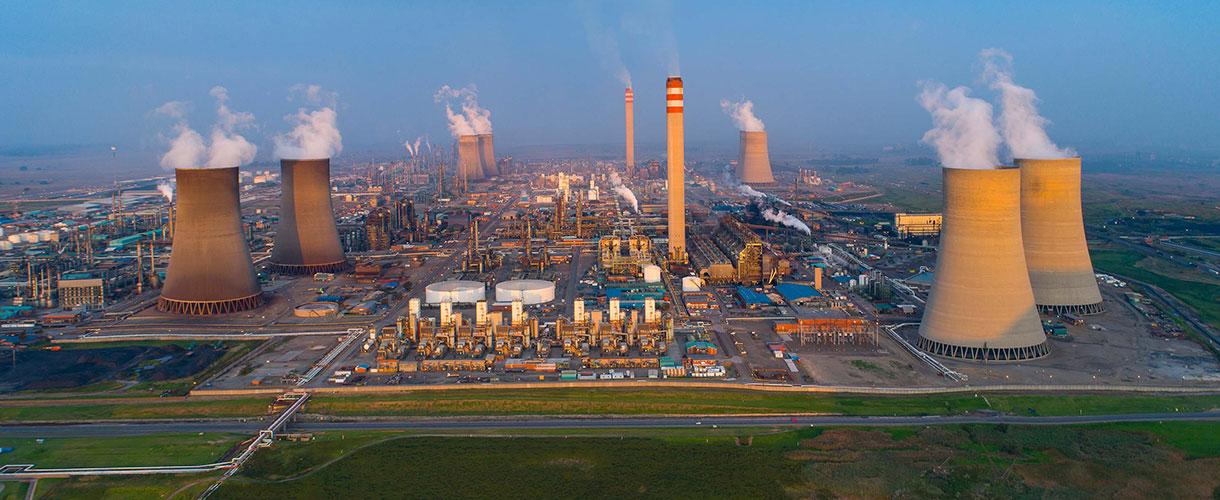
Investigations by government and air quality experts indicate that the persistent hydrogen sulphide “rotten egg” smell in Secunda and across Gauteng is strongly linked to industrial activities, particularly Sasol’s Secunda Synfuels plant. The facility has previously been identified as a significant source of sulphur dioxide and hydrogen sulphide emissions in the region.
Reports of the odour were first received on 10 March 2026. Data from the South African Air Quality Information System showed that sulphur dioxide levels were elevated but remained within national standards. However hydrogen sulphide concentrations recorded at monitoring stations in Secunda, Springs, Irene, Midstream and Buccleuch showed significant spikes.
Although South Africa does not yet have national ambient standards for hydrogen sulphide, recorded levels exceeded the World Health Organisation nuisance odour guideline of 5.02 parts per billion. Authorities believe prevailing south easterly winds transported emissions from Mpumalanga into Gauteng, affecting major urban centres including Johannesburg, Ekurhuleni and Pretoria.
The Department noted that similar incidents occurred in February 2022, prompting a joint investigation with provincial authorities. Attention at the time focused on Sasol Secunda Operations, a major source of sulphur dioxide and hydrogen sulphide emissions. While operations were found to be compliant with existing regulations, authorities concluded that current emission limits were insufficient to protect public health under certain conditions.
In response, government has initiated regulatory reforms aimed at strengthening air quality management. A key proposal published in August 2025 seeks to reduce allowable hydrogen sulphide emissions from coal gasification processes from 3500 mg per cubic metre to 600 mg per cubic metre. The Department confirmed that the draft regulation received extensive stakeholder input and will undergo a second round of public consultation before finalisation.
In parallel, hydrogen sulphide is being introduced as a criteria pollutant under national air quality legislation. This will enable the establishment of formal ambient air quality standards aligned with international health guidelines. Consultations with provincial and municipal stakeholders are currently underway, with implementation expected in 2026.
These measures form part of a broader strategy to address recurring odour events and reduce long term exposure risks. A multi stakeholder task team established after the 2022 incident continues to guide interventions. At municipal level, the City of Johannesburg has already expanded its monitoring capacity with additional hydrogen sulphide stations in Alexandra and Buccleuch.
Health experts warn that exposure to hydrogen sulphide can irritate the eyes and respiratory system and may cause headaches, dizziness, nausea and breathing difficulties. In severe cases, high concentrations can result in loss of consciousness or respiratory complications. Children are considered particularly vulnerable due to higher breathing rates relative to body size.
The Department has advised residents in affected areas to report persistent odours, limit exposure where possible and seek medical attention if symptoms persist. Authorities will continue to monitor air quality conditions and enforce compliance as regulatory reforms progress.
Author: Bryan Groenendaal