- Government endorses EPC agreement for 50 MW solar and battery storage project in Luapula Province.
- Investment strengthens private sector participation in Zambia’s power sector.
- Battery supported generation to improve grid stability and regional electricity supply.
Zambia has taken a further step towards expanding private sector investment in renewable energy with the signing of a US$65 million Engineering, Procurement and Construction agreement for the 50 MW Kawambwa power project.
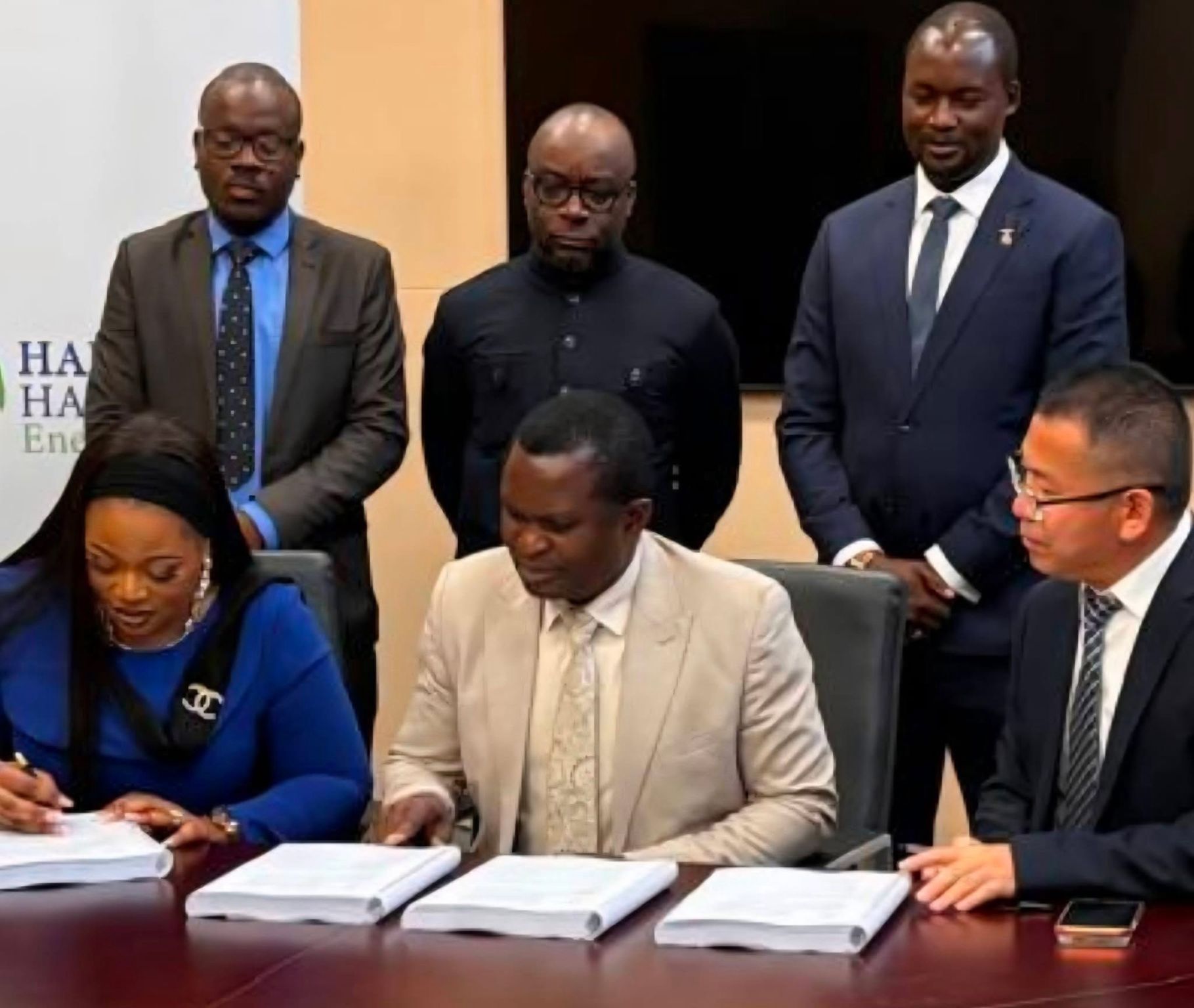
The Ministry of Energy has endorsed the agreement between project owner Hadassah Hart Energy and EPC contractor Norinco International, marking a milestone in the development of large scale renewable generation capacity in the country.
The signing ceremony was officiated by Ministry of Energy Permanent Secretary for Electricity Engineer Arnold Simwaba at the Mulungushi International Conference Centre. He emphasised the strategic importance of increased private sector participation in power development, noting that projects such as Kawambwa are critical to strengthening electricity supply while supporting social and economic growth.
According to the Ministry, the project is expected to enhance power availability in Kawambwa District and surrounding areas, contributing to improved energy security and local economic development.
Project Chairman Karam Bulawayo described the initiative as a demonstration of resilience and long term commitment by the project partners. He said the investment reflects growing confidence in Zambia’s renewable energy market and its regulatory environment.
Formally known as the Zindzathi Solar and Battery Energy Storage Project, the Kawambwa development is a major renewable energy initiative in Luapula Province. It will deliver 50 megawatts of solar photovoltaic generation capacity and will be supported by a 100 megawatt hour battery energy storage system. The battery component will allow power to be supplied during non solar hours, improving grid reliability and stability.
Author: Bryan Groenendaal