- Overall reform score has risen by almost 24 percent since 2024, signalling sustained progress.
- Electricity sector records a setback following changes to Eskom unbundling strategy.
- Strong gains continue across freight logistics, visas, financial services and criminal justice reforms.
South Africa reform efforts remain broadly on track, although recent developments in the electricity sector have raised concerns for the energy industry and investors. This is according to the second quarterly review of the Business Leadership South Africa Reform Tracker, released in Johannesburg on 5 February 2026.
The review shows that the overall reform score has improved by 23.7 percent since monitoring began in March 2024. While the pace of reform has slowed as several initiatives near completion, the latest reporting period highlights a clear reversal in electricity sector reforms, alongside softer momentum in governance related measures.
The BLSA Reform Tracker monitors 245 reform deliverables across economic, governance and criminal justice categories. To date, 34 reforms have been completed, 19 have been halted and 192 remain in progress.
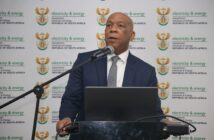
BLSA chief executive Busisiwe Mavuso said the overall direction of reform remains positive, but warned that electricity policy developments pose a material risk to economic growth.
“The reform agenda is delivering measurable results across much of the economy. However, the recent reversal in electricity sector reforms is deeply concerning. The approved unbundling approach moves away from the independent transmission system operator model that has been central to creating a competitive electricity market,” she said.
Electricity reforms lose ground
The electricity sector score declined for a second consecutive period, falling from 73.2 points at the end of May 2025 to 71.4 points by December 2025. The decline follows the Department of Electricity and Energy’s approval of Eskom revised unbundling strategy, which keeps transmission assets within the National Transmission Company of South Africa under Eskom Holdings, while establishing a transmission system operator without asset ownership.
This structure departs from earlier plans to establish a fully independent transmission system operator capable of raising capital independently. According to BLSA, the revised model is likely to exacerbate grid constraints and slow the rollout of new renewable energy capacity.
Additional challenges in the electricity sector include the partial implementation of the Electricity Regulation Act, with the municipal reticulation section excluded, and ongoing legal action by Eskom against the national wheeling framework approved by Nersa, which limits access for licensed electricity traders.
Economic reforms show resilience
Despite the electricity setback, several economic reform areas recorded notable progress. Freight logistics improved significantly as turnaround plans gained traction and private sector participation advanced. Visa reform continued to strengthen, with the electronic visa system now operational for 38 countries and steady progress under the points based system.
Reforms aimed at reducing spatial inequality advanced through improvements in passenger rail services and housing subsidy policy, while digitisation initiatives drove gains in deeds office reform. Financial sector reforms also edged higher following improvements in retirement reform, financial inclusion and competitiveness measures.
Water sector reform showed modest progress with legislation to strengthen regulation of water services tabled in parliament, although delays remain in appointing the board of the National Water Resources Infrastructure Agency.
Criminal justice milestone achieved
The criminal justice category recorded a major achievement with the final completion of Financial Action Task Force reforms, lifting the score from 90 to 100. South Africa has now been formally removed from the FATF grey list, reflecting reforms that were largely implemented in earlier quarters and formally recognised in the latest period.
Governance reforms remain uneven
Governance reforms delivered mixed results. Public services recorded slight improvement, largely driven by progress on electoral reform and public consultations on electronic voting. However, several governance categories remained flat, with reforms to reduce the size of government effectively paused to support the functioning of the Government of National Unity.
Momentum slows but outlook remains positive
The overall reform score increased by 2.3 percent during the September to December 2025 period, although reform momentum declined. BLSA attributes this to slower governance implementation, the natural slowdown associated with reforms reaching completion, and the completion effect following major milestones such as FATF reforms.
“Slower momentum is expected as reforms mature,” said Mavuso. “What matters is that progress continues. That said, electricity is too critical to South Africa economic future for any backward movement.”
Focus on first quarter 2026 delivery
The next quarter is expected to be pivotal, particularly for the energy sector. Key milestones anticipated by March 2026 include the finalisation of electricity trading rules, progress on the South African Wholesale Electricity Market, publication of the electricity distribution industry reform roadmap and key regulatory decisions by Nersa.
Additional expected deliverables span water regulation, port and freight reforms, gas planning and public sector legislation.
“The coming months will test the commitment to reform implementation,” Mavuso said. “Restoring momentum in electricity reforms while sustaining progress elsewhere will be essential for growth, investment and energy security.”
The BLSA Reform Tracker is an online platform developed by research consultancy Krutham to provide a transparent, data driven assessment of government reform delivery across criminal justice, governance and economic policy areas.