- Rising cyberattacks expose critical weaknesses in modern power grids.
- Advanced defence strategies and AI driven systems offer new protection pathways.
- Industry collaboration and proactive planning seen as essential to safeguard energy infrastructure.
As power systems become more digitised and interconnected, they are facing a sharp rise in cyber threats that could undermine grid stability and energy security. A new study titled ‘Cybersecurity challenges and defence strategies for next-generation power systems,’ warns that attacks such as phishing, malware infiltration and denial of service incidents are no longer isolated risks but growing systemic challenges for utilities and grid operators worldwide.
The research highlights how the evolution of smart grids, driven by the integration of Internet of Things technologies, distributed energy resources and advanced communication networks, has expanded the attack surface of critical infrastructure. While these innovations improve efficiency and enable real time monitoring, they also introduce new vulnerabilities across both operational and information technology layers.
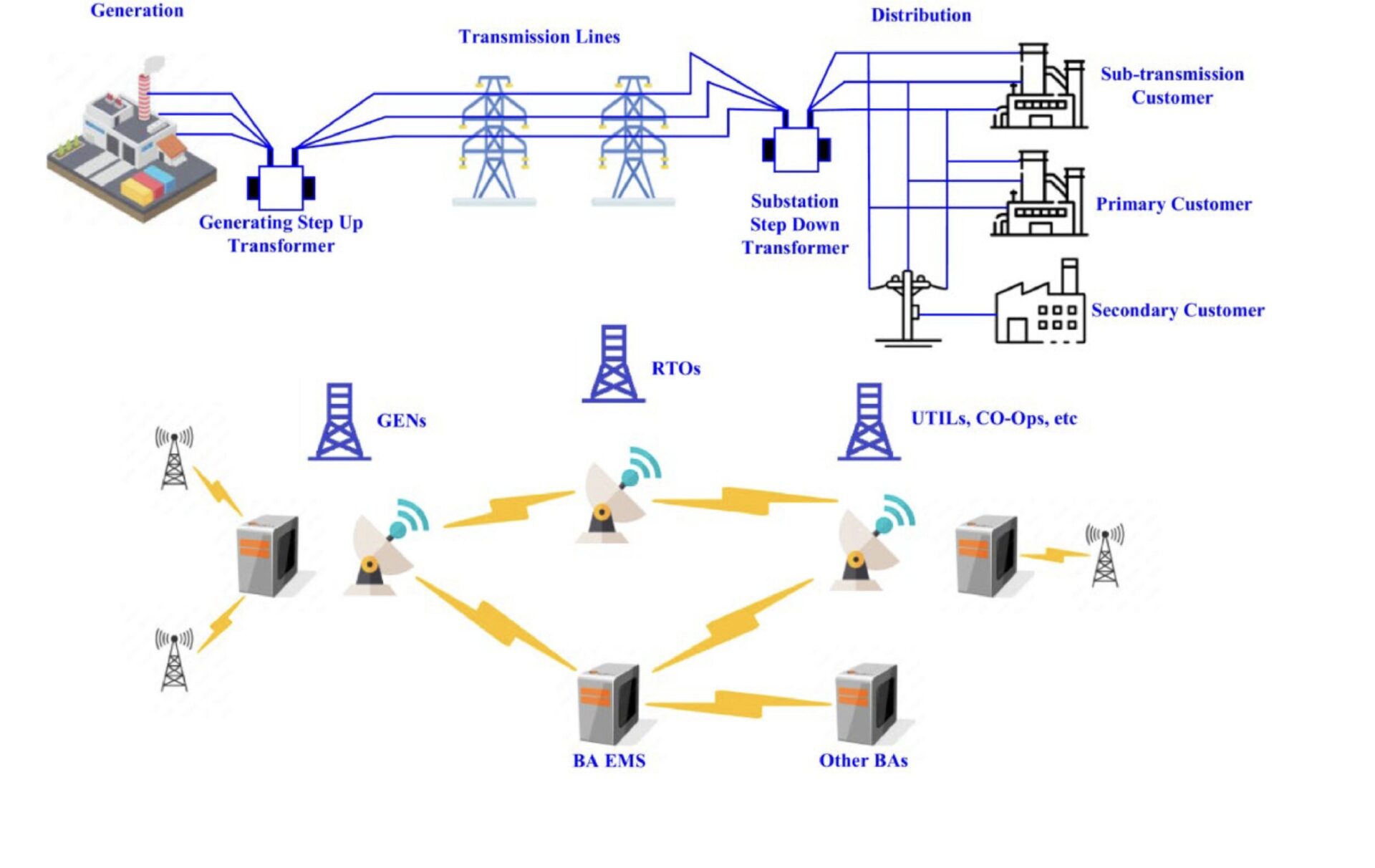
Modern power systems rely heavily on interconnected components, including generation plants, transmission networks, substations and distribution systems, all supported by digital control platforms such as supervisory control and data acquisition systems and wide area monitoring networks. These systems enable automation and optimisation but are increasingly targeted by cyber adversaries seeking to disrupt operations, access sensitive data or damage physical assets.
Recent high profile incidents underline the scale of the threat. Attacks on Ukraine’s power grid in 2015 and 2016, the Triton malware case in Saudi Arabia and the SolarWinds supply chain breach demonstrate how cyber intrusions can trigger widespread outages and operational disruptions across energy systems. The study notes that such attacks are becoming more sophisticated, automated and difficult to detect.
In response, the paper emphasises the urgent need for comprehensive cybersecurity strategies that move beyond reactive measures. A layered defence approach is identified as critical, combining preventive controls such as secure system design and risk assessment with detection tools including intrusion detection systems and real time anomaly monitoring. Effective response mechanisms, including incident recovery planning, are also essential to ensure continuity of supply.
Key recommendations focus on strengthening the security of connected devices, particularly smart meters and sensors, which are often the weakest entry points. Measures such as strong authentication protocols, secure firmware updates and standardised device security frameworks can significantly reduce exposure. Protecting data through advanced encryption techniques is also highlighted as a priority to prevent breaches during transmission and storage.
The study points to the growing role of artificial intelligence and machine learning in enhancing grid resilience. These technologies enable faster detection of abnormal behaviour, allowing operators to respond to threats such as false data injection or malware propagation in real time. Adaptive systems that evolve with emerging attack patterns are expected to become a cornerstone of future grid security.
Equally important is the human factor. Social engineering and phishing attacks continue to pose serious risks, making workforce training and awareness programmes a critical line of defence. Regular system audits, policy updates and ongoing skills development are necessary to maintain a strong security posture.
Collaboration across the energy ecosystem is also seen as vital. Utilities, technology providers and regulators must work together to develop standardised security protocols and improve information sharing. Aligning practices with international cybersecurity frameworks can further strengthen resilience and ensure a coordinated response to emerging threats.
The findings make it clear that cybersecurity is now a core operational priority for the energy sector. As grids become smarter and more complex, the ability to anticipate, detect and respond to cyber threats will be central to maintaining reliable and sustainable power systems.
With the right mix of advanced technologies, proactive planning and industry collaboration, the sector can strengthen its defences and protect critical infrastructure against an increasingly dynamic threat landscape.
Link to the full paper HERE
Author: Bryan Groenendaal