- Earthlife Africa Johannesburg and community organisations have called for the public comment period on the proposed Lephalale Coalbed Methane Exploration Project to be extended beyond the 29 June deadline.
- The proposed development includes 333 production wells across more than 134,000 hectares, with operations planned close to residential communities.
- Civil society groups argue that limited public participation, language barriers and concerns over environmental impacts require a more inclusive consultation process.
Civil society organisations are calling for an extension to the public comment period for the proposed Coalbed Methane Exploration Project in Lephalale, Limpopo, warning that communities have not been given sufficient opportunity to understand and respond to a development that could have significant environmental, social and climate implications.
The deadline for submissions is 29 June, but Earthlife Africa Johannesburg, together with local community organisations and activists, says the consultation process has not adequately engaged residents who could be directly affected by the project.
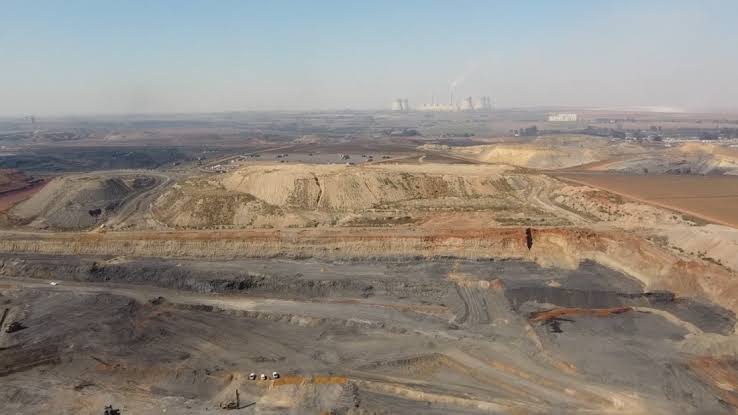
The proposed development seeks environmental authorisation to drill 333 production wells across an operational area of about 134,155 hectares, covering 224 farm portions and directly affecting around 20 farms. According to the project’s Scoping Report, operations would be located about 5 km from Marapong Township and 11 km from Onverwacht.
Thabo Sibeko, Senior Programs Officer at Earthlife Africa Johannesburg, said Lephalale communities have lived for years with the cumulative impacts of coal mining and power generation, including poor air quality, land degradation and increasing pressure on limited water resources.
He said expanding fossil fuel extraction would further entrench these challenges at a time when South Africa should be pursuing a just transition to a low carbon economy.
Earthlife Africa and supporting organisations argue that the scale of the proposed project requires meaningful public participation supported by accessible information and consultation processes.
They noted that attendance at recent public meetings was limited, particularly among residents from nearby communities. While organisers reportedly cited safety concerns for not hosting meetings in Marapong, civil society groups questioned whether adequate alternative arrangements had been made to enable meaningful participation.
Concerns were also raised over language accessibility, with presentations conducted mainly in English and only limited interpretation into local languages. Although a project summary was reportedly translated into Sepedi, community representatives said language barriers may have prevented many residents from fully understanding the proposal or raising questions.
Margaret Mokoka of Hands of Hope in Lephalale said communities deserve to understand developments planned in their area and to participate in meetings held at locations and times that are accessible to the majority of residents.
She also encouraged residents and interested organisations to review the Scoping Report carefully and submit comments in their preferred language.
Community organisations have identified a range of issues they believe require further assessment, including potential impacts on climate, water resources, air quality, biodiversity, agriculture, heritage sites and surrounding communities. They have also questioned emergency preparedness, rehabilitation commitments and the cumulative effects of expanding fossil fuel development in a region already heavily influenced by mining and power generation.
Emmy Modise of Bopanang Organisation said local communities already face water shortages and pollution linked to existing mining and power station activities, adding that any new project with the potential to place further pressure on water resources and air quality should be subject to thorough scrutiny.
Earthlife Africa Johannesburg and its supporting organisations are urging authorities to extend the public comment period and hold additional consultation sessions closer to affected communities. They argue that additional time and improved accessibility would enable residents to better understand the proposal and make informed submissions on a project that could influence Lephalale’s environmental and economic future for decades.
Author: Bryan Groenendaal