- US$160 million investment secured for utility scale solar plant at Rufaro Farm.
- Project expected to supply clean power to more than 250 000 households.
- Construction scheduled to begin in early 2026 with completion targeted for 2027.
Plans to develop a 150 megawatt solar power plant in Marondera have taken a significant step forward following a strategic partnership between Green Rhino Energy and Green Power from the United Kingdom.
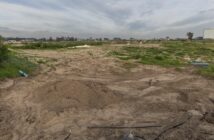
The collaboration will mobilise an estimated US$160 million to deliver what is set to become the largest solar installation in the area. The project will be developed at Rufaro Farm in Marondera and forms part of Zimbabwe’s broader push to expand renewable energy capacity and address persistent power supply shortfalls.
Project mobilisation activities are already under way, with full scale construction expected to commence in the first quarter of next year. The solar plant is scheduled for completion in 2027.
Speaking at a media briefing in Marondera, Green Power chief executive Jordan Assassa said the project would make a meaningful contribution to Zimbabwe’s energy mix while supporting social infrastructure.
The development is expected to supply electricity to more than 250 000 households, with additional benefits for schools and health facilities in surrounding communities. Assassa said the investment reflects growing confidence among international developers in Zimbabwe’s investment climate.
Green Rhino Energy general manager Francis Gogwe welcomed the partnership, highlighting its economic and employment impact. He said the project would create approximately 500 jobs, particularly during the construction phase, and would open up further opportunities for local participation across the value chain.
Zimbabwe has seen a growing pipeline of solar energy investments in recent years as independent power producers respond to rising electricity demand and increasing pressure on the national grid. The Marondera project is expected to play a key role in easing the country’s energy deficit while supporting long term sustainable development.
Author: Bryan Groenendaal