• Zambia and Zimbabwe each pledge 200 million dollars to advance the Batoka Gorge hydropower development.
• Governments adopt a public private partnership model to unlock financing and accelerate implementation.
• Project seen as critical to easing power shortages and strengthening regional energy security.
Zambia and Zimbabwe have jointly committed 400 million dollars toward the Batoka Gorge Hydro Electric Scheme, signalling renewed momentum behind one of Southern Africa’s largest planned power projects after decades of delays.
Under the agreement, each country will invest 200 million dollars into the 2,400 megawatt hydropower facility planned on the Zambezi River. The commitment was approved at the 43rd Council of Ministers meeting of the Zambezi River Authority held in Victoria Falls, where energy and finance ministers from both countries endorsed a revised funding and implementation framework.
The renewed push comes as project costs have risen sharply following sovereign defaults by both Zambia and Zimbabwe in 2022. These developments contributed to an estimated 23 percent increase in overall costs, with total investment requirements now approaching US$5 billion.
In a statement issued after the meeting, the Zambezi River Authority confirmed that the two governments had agreed to implement the project through a public private partnership model. The authority described the approach as essential to accelerating delivery while easing pressure on public finances.
The project is widely viewed as central to addressing persistent electricity shortages in both countries. Zambia and Zimbabwe rely heavily on hydropower from the Kariba Dam, whose output has been repeatedly constrained by low water levels linked to prolonged drought conditions. Supply shortfalls in both countries have resulted in increased electricity imports and power rationing, disrupting mining operations, manufacturing activity and household electricity access.
The additional supply is expected to support electricity trading within the Southern African Power Pool and reduce reliance on diesel generation and imported power during periods of low hydropower output.
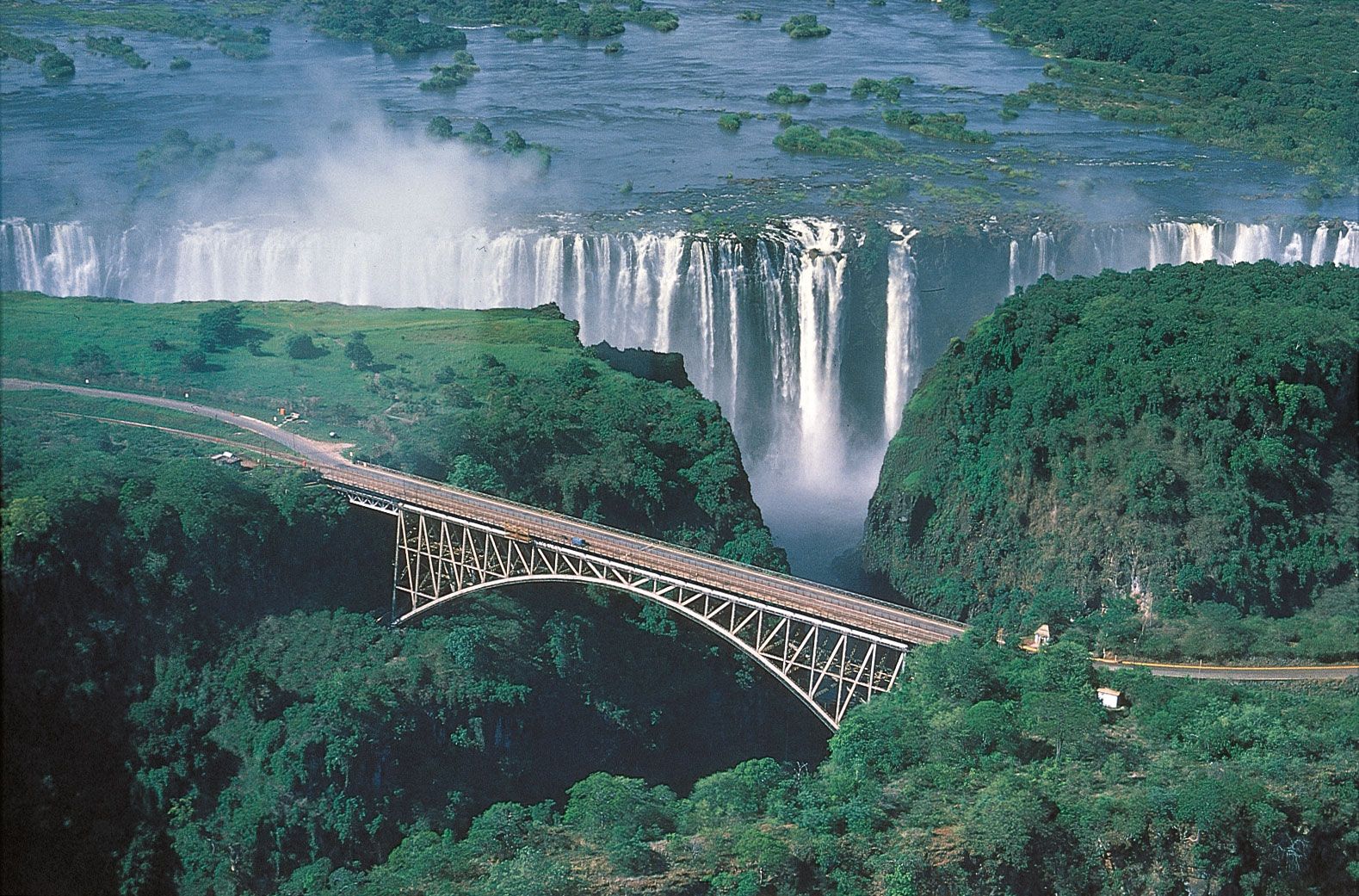
Located around 52km downstream of Victoria Falls, the project is designed to deliver 1,200 megawatts to each country once completed. The scheme includes a 181 metre high roller compacted concrete gravity arch dam, a radial gated crest spillway, four reservoir intakes, two surface power stations, six turbines and associated transmission infrastructure. Construction is expected to take between eight and ten years and start once financial close is confirmed.
Author: Bryan Groenendaal