- The World Bank’s Board of Executive Directors has approved the South Africa Metro Trading Services Program, the country’s first-ever Program-for-Results (PforR) initiative, aimed at improving the accountability, financial sustainability, and operational performance of key urban services in South Africa’s eight largest metropolitan municipalities.
The $925 million loan marks a major milestone in South Africa’s partnership with the World Bank, introducing a results-based financing model that links disbursement of funds directly to measurable improvements in service delivery and institutional performance. The program forms part of a broader $3 billion (R55 billion) government effort to revitalize essential urban infrastructure and services.
The initiative targets the metropolitan municipalities of Buffalo City, Cape Town, Ekurhuleni, Johannesburg, Tshwane, eThekwini, Mangaung, and Nelson Mandela Bay, which together are home to about 22 million people and generate 85% of South Africa’s economic activity. Over the past decade, these metros have faced mounting challenges in maintaining reliable water, electricity, and waste management services amid financial strain and underinvestment in infrastructure.
Through the PforR approach, funding will be tied to specific outcomes, such as improved financial management, higher revenue collection rates, better asset management, and enhanced service reliability. Cities that meet agreed performance benchmarks will gain access to incentive-based grants from the national government. If the targets are not met, the funds will not be released, reinforcing accountability and performance discipline.
“The Metro Services Trading Program represents a milestone in South Africa’s partnership with the World Bank Group, showcasing a shift toward results-driven financing to accelerate progress in public service delivery and governance,” said Satu Kahkonen, World Bank Country Director for South Africa. “This operation is designed to incentivize real performance improvements, accountability, and institutional reforms through a results-based approach, contributing to better lives and livelihoods in South Africa.”
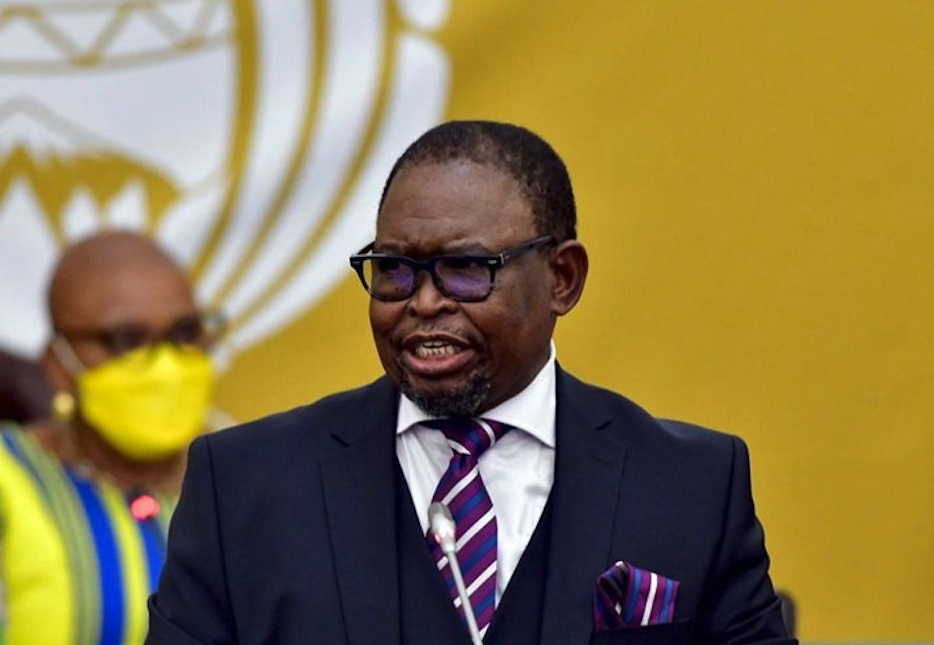
South Africa’s Minister of Finance, Enoch Godongwana, welcomed the initiative, noting that the program supports the government’s efforts to strengthen city resilience and improve service delivery. “This six-year program, designed by the Government of South Africa and backed by the World Bank, will support the turnaround of essential services and enhance the resilience of our cities. Metros will unlock incentive grant funding by demonstrating improved institutional and service delivery performance in water supply, sanitation, electricity, and solid waste management,” he said.
Godongwana added that the reform is a key component of Operation Vulindlela Phase II, a flagship government initiative approved by Cabinet in March 2025 to accelerate structural reforms across sectors. To ensure local ownership, the Minister met with mayors from each metropolitan municipality in October to discuss implementation and oversight of the reform process.
The World Bank’s Program-for-Results model focuses on rewarding tangible outcomes. Funds are released only when pre-agreed results are independently verified, ensuring that support is directly linked to institutional improvement and service delivery gains.
The Metro Trading Services Program builds on lessons from the National Treasury’s Cities Support Programme (CSP), launched in 2011 to strengthen governance and promote inclusive, sustainable urban growth. The CSP continues to work with South Africa’s metros, supported by the World Bank and other partners, to build local capacity and foster performance-driven urban management.
Author: Bryan Groenendaal