- The new state owned entity to manage 88,000 buildings and 5 million hectares of land.
- Government aims to leverage asset portfolio to raise funding for social infrastructure.
- Potential annual savings of R6 billion by reducing reliance on private leases.
South Africa’s government is preparing to establish a new state owned property company to oversee its extensive real estate portfolio, currently valued at approximately R155 billion. The initiative is being led by Public Works and Infrastructure Minister Dean Macpherson and is expected to be formally announced by President Cyril Ramaphosa during the State of the Nation Address on 12 February 2026.
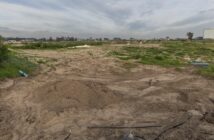
The proposed entity will assume responsibility for around 88,000 buildings and 5 million hectares of land, consolidating management of state owned property assets under a single professional structure. The move is intended to address longstanding inefficiencies in public sector property administration while unlocking greater financial value from government assets.
According to the Department of Public Works and Infrastructure, the new company will treat the national property portfolio as an asset book. This would allow the state to raise debt against selected assets to fund social infrastructure, while also enabling strategic asset trading or equity partnerships where appropriate. For the energy and infrastructure sector, this could open new channels for capital mobilisation linked to public facilities, land development and infrastructure rollout.
A key driver behind the reform is the high cost of leasing private buildings to accommodate state departments and agencies. Government estimates indicate that relocating state entities into publicly owned buildings could generate savings of up to R6 billion per year. These savings could be redirected toward infrastructure upgrades, maintenance backlogs and new development programmes.
The initiative is supported by the current 10 party governing coalition, which views the model as a mechanism to retain public ownership of strategic assets while improving operational efficiency and financial performance.
Minister Macpherson has previously highlighted the need to end what he described in 2024 as a mixed record in infrastructure delivery and property management. Centralising oversight through a dedicated state owned company is intended to create a single point of entry and execution for property related projects, improving accountability and accelerating implementation.
For the broader built environment and energy sector, the reform could signal increased opportunities in public sector retrofits, energy efficiency upgrades, land development and infrastructure financing structures tied to state assets. Further details on governance structures, rollout timelines and funding mechanisms are expected following the official announcement.
Author: Bryan Groenendaal