- SunCentral 2, the second 114 MW plant in SolarAfrica’s flagship utility-scale solar portfolio, is set to deliver first power in 2026.
- Funding provided by RMB and Investec Bank Limited supports affordable and predictable renewable energy access for South African businesses.
- SunCentral Phase 1, comprising three 114 MW plants, will total 342 MW, with plans to expand to 1 GW under SolarAfrica’s wheeling model.
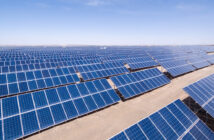
SolarAfrica has reached financial close on R1.5 billion to develop SunCentral 2, the next 114 MW project in its utility-scale solar portfolio in the Northern Cape. The financing, provided by RMB and Investec Bank Limited, underlines growing confidence in solutions that provide South African businesses with clean, affordable, and reliable energy. First power from SunCentral 2 is expected in 2026.
SunCentral 2 follows SunCentral 1, which also reached financial close at 114 MW in late 2024. Together with SunCentral 3, these projects form Phase 1 of the SunCentral programme, which totals 342 MW. At full scale, the initiative is planned to reach 1 GW, positioning it as one of the country’s largest solar programmes designed for one-to-many bilateral wheeling.
David McDonald, CEO of SolarAfrica, said: “Businesses want power they can trust – clean, affordable, and predictable – and SunCentral is being built for exactly that purpose. It is encouraging to see the confidence from our funding partners as we move into the next stage of delivery. SunCentral is more than a solar project; it is a long-term infrastructure investment that helps companies manage costs, reduce emissions, and cut reliance on utility power vulnerable to unpredictable tariff hikes.”
Community development remains a core focus of SunCentral 2. Dedicated initiatives include job creation, education, skills development, and local procurement, ensuring economic and social benefits for residents in the project area.
SunCentral is also a central part of SolarAfrica’s 3 GW national wheeling pipeline, combining utility-scale renewable generation with flexible off-site delivery models. This allows commercial and industrial customers to access greener energy without the upfront capital typically required for on-site solar installations.
A portion of the funding for each SunCentral plant is allocated to the development of the Main Transmission Substation. Designed to accommodate large-scale renewable generation, the substation strengthens the national grid while enabling more efficient connection of future renewable projects.
McDonald added: “With wheeling, control returns to commercial and industrial customers. Companies are no longer just responding to tariff increases; they can plan for growth with a cleaner, more dependable energy mix.”
Author: Bryan Groenendaal