- ENGIE Energy Access has released a new White Paper, “Maximising Impact: Transforming Grant Funding for Energy Access”, calling for a fundamental shift in how grant capital is deployed to close Africa’s energy access gap.
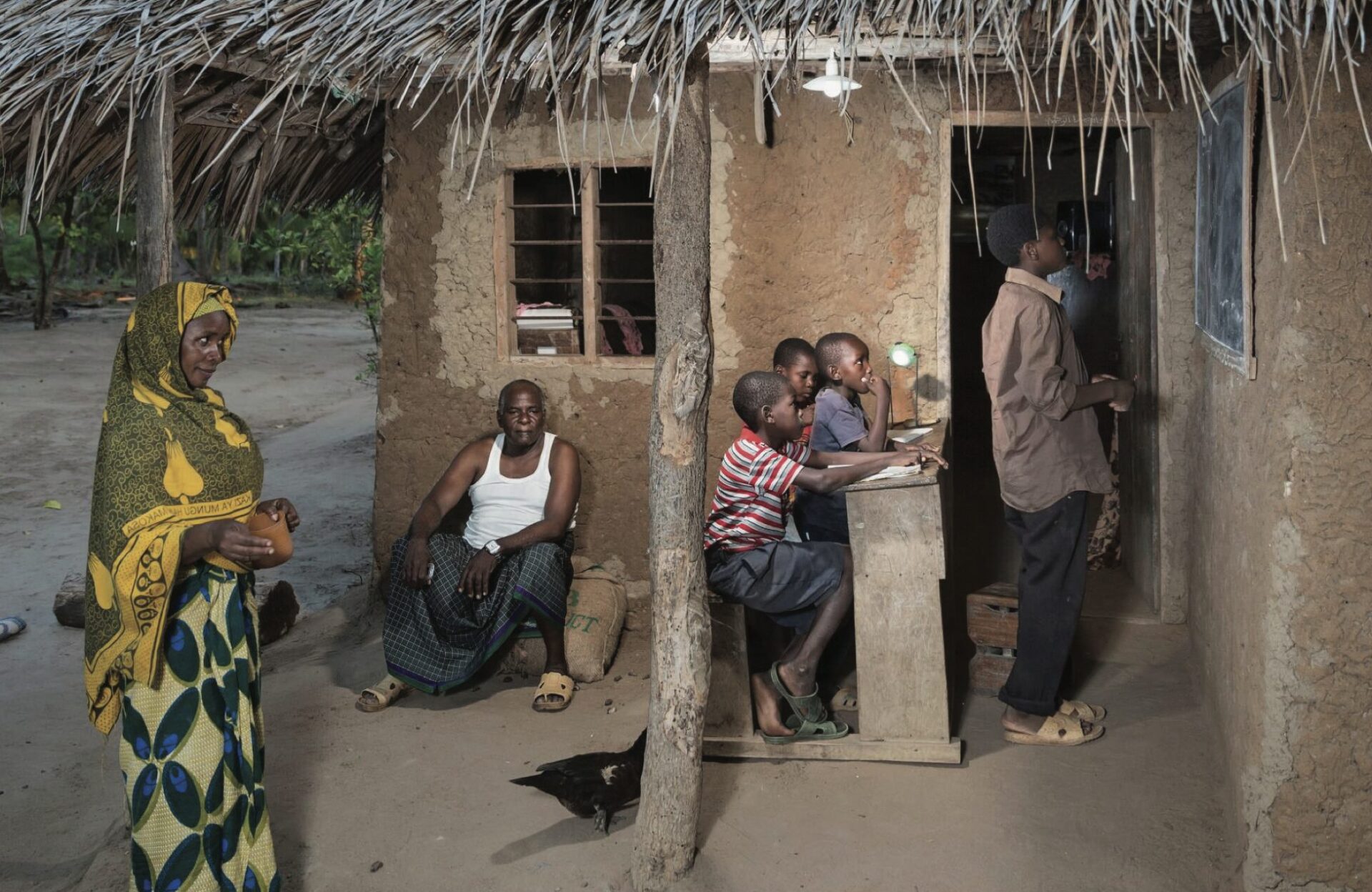
Sub-Saharan Africa stands at a critical crossroads. With less than five years to 2030, the goal to ensure affordable, reliable, sustainable, and modern energy for all is at risk of being missed. At the current pace, over 660 million people will remain unelectrified by 2030. Given energy is a critical enabler for other development outcomes, this threatens progress on health, education, economic development and other closely linked goals.
Off-grid solar and mini-grid solutions can deliver 40% of the needed connections under a least-cost model. However, key challenges are impeding progress, with a current funding gap of $12 billion for standalone systems, and a funding landscape that is fragmented, risk-averse, and at times, misaligned with the realities of operating in frontier markets. This is putting SDG7 out of reach and leaving millions without access to affordable and modern energy.
EEA’s White Paper argues that grant funding, while essential, is not being used to its full catalytic potential. Drawing on nearly two decades of last-mile delivery experience across nine African countries, the paper highlights how rethinking funding design could unlock private sector capacity and deliver impact at scale.
Key recommendations include:
- Reorienting grant targeting toward closing the access gap and “finishing the job” on SDG7
- Tailoring instruments to market segments (households, businesses, and community infrastructure) and risk profiles.
- Scaling up grants, with the public sector strengthening their leadership role.
- Strengthening delivery systems and governance to ensure transparent, efficient, and sustainable implementation.
ENGIE Energy Access calls on policymakers, donors, financiers, and industry stakeholders to engage with the findings and join in advancing solutions that can help close the energy access gap faster, while supporting economic growth, resilience, and climate goals.
The White Paper is available for download HERE
Author: Bryan Groenendaal