- Around 19% of global LNG supply removed following shutdown of Qatari exports.
- Extended outage could tighten markets, drive price volatility and delay capacity growth through 2028.
- Asian buyers most exposed while Europe accelerates fuel switching.
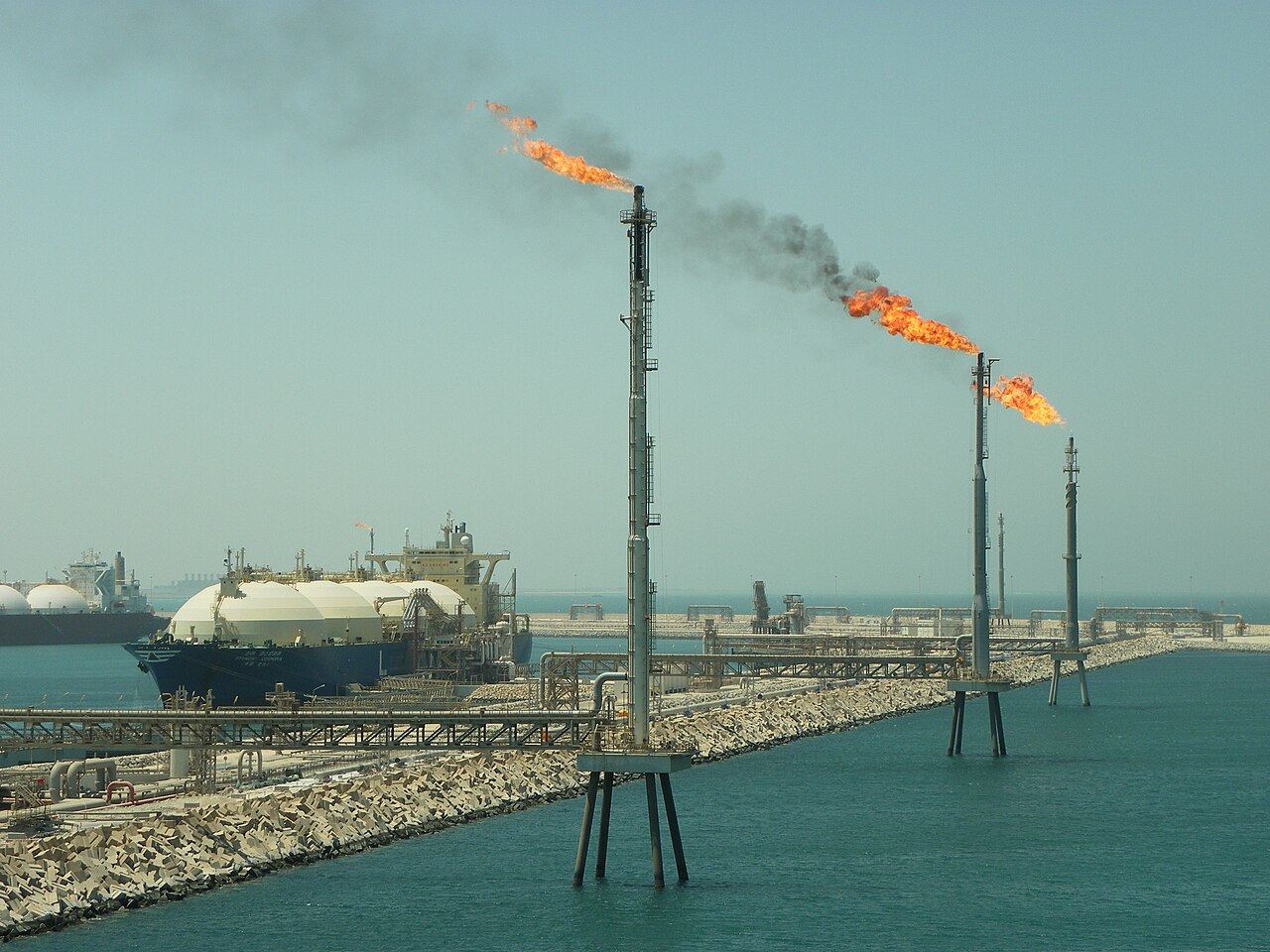
Missile strikes on Qatar’s Ras Laffan Industrial City have significantly altered the global LNG market outlook, with analysts warning that disruption timelines are likely to extend well beyond initial expectations.
According to analysis from Wood Mackenzie, the attacks caused extensive damage across key infrastructure, including fires and impacts on both operational and under construction facilities. The 18 March strike affected the Pearl GTL plant, while subsequent attacks hit multiple LNG trains, compounding the scale of disruption.
Qatar’s LNG production has been halted since 2 March, with force majeure declared on 4 March. This has removed approximately 80 Mtpa from global supply, equivalent to around 19% of total LNG availability. Early market assumptions of a short disruption lasting around two months are now considered increasingly unrealistic.
The timeline for restoring production remains uncertain as damage assessments continue. Previous projections suggested a restart process of several weeks, but the extent of infrastructure impact is now expected to delay recovery significantly.
The disruption also places future supply growth at risk. The North Field East expansion, expected to add 32 Mtpa and previously targeted for late 2026, is now likely to face further delays. This could constrain global LNG capacity growth through 2027 and 2028, limiting the market’s ability to rebalance.
Before the escalation, global LNG supply was forecast to grow by 35 Mt in 2026. However, with Qatar producing an average of 6.7 Mt per month, a prolonged outage of five to six months would push the market into year on year decline.
Each additional month of disruption is estimated to remove around 1.5% from annual global LNG supply, increasing pressure on already tight markets. Even under stable supply conditions, analysts expect demand destruction in Asia, reduced storage injections in Europe and sustained upward pressure on prices.
Asian markets are the most exposed, having accounted for approximately 90% of Qatari LNG cargoes in 2025. Countries such as Bangladesh, India and Taiwan face heightened vulnerability due to their reliance on imports and limited flexibility to absorb higher prices or switch fuels.
As a result, LNG demand in Asia is now expected to decline. Earlier forecasts of 10 Mt growth had already been revised down to 2 Mt under a short disruption scenario, with further downside risks emerging under a prolonged outage.
In Europe, reduced LNG availability is expected to constrain storage refill levels and accelerate fuel switching. Storage levels may reach only around 70%, compared to 76% recorded during previous supply disruptions. Gas to coal switching is likely to persist as utilities respond to tighter gas markets.
Industry participants are expected to prioritise output over maintenance in response to supply shortages. Planned maintenance volumes of around 5 Mt in Q2 2026 could be deferred as operators seek to maximise production across available assets.
The disruption is also expected to drive structural shifts across the LNG market. Buyers are likely to place greater emphasis on supply security and diversification, while contracts offering flexibility in cargo delivery will command a premium.
In addition, supply from regions with lower geopolitical and shipping risks is expected to become more attractive. Pre final investment decision projects outside the Middle East may gain momentum, while portfolio players are likely to diversify assets to reduce exposure to single point disruptions.
As geopolitical tensions continue to influence global energy markets, the LNG sector’s limited flexibility to absorb large scale shocks is becoming increasingly evident, reinforcing the need for resilient and diversified supply strategies.
Author: Bryan Groenendaal