- Eskom says South Africa recorded 341 consecutive days without loadshedding.
- Utility achieved 67% of shareholder compact targets and cut diesel spending by 62%.
- Parliament raises concerns over tariff increases, municipal debt and employee costs.
South Africa’s Portfolio Committee on Electricity and Energy has received a briefing from Eskom on the utility’s annual performance plans and budgets for the 2026/27 financial year, including its winter outlook, which projects no loadshedding during the upcoming high demand season.
The state power utility reported that the country had achieved 341 days without loadshedding, marking a significant operational recovery after years of severe power supply disruptions.
Committee Chairperson Zama Khanyase welcomed the progress and commended Eskom for stabilising electricity supply.
She described the achievement as a significant milestone considering South Africa’s recent history of persistent loadshedding.
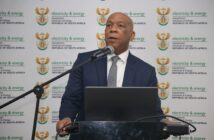
Eskom Board Chairperson Mteto Nyati told the committee that the utility had improved its overall performance metrics, achieving 67% of targets under the shareholder compact, compared with 59% in the previous financial year.
Nyati said Eskom had met 22 of its 33 key performance indicators and recorded a 62% reduction in diesel expenditure, generating savings of about R10 billion compared with the same period last year.
According to Eskom, the reduction in diesel use has improved financial efficiency and created room for the reallocation of resources to other critical operational areas.
The utility also forecast no loadshedding during winter, including under scenarios involving unplanned outages. Planned maintenance for the period is expected to average about 5,000 MW, supporting efforts to improve reliability across the national grid.
Members of Parliament, however, questioned Eskom over the proposed 8.76% tariff increase and rising electricity costs for consumers.
Eskom acknowledged the concerns and said it is targeting R112 billion in cost efficiencies over the next five years. The utility added that it aims to keep future tariff increases within single digits while balancing affordability with financial sustainability.
The committee also scrutinised escalating municipal debt, which has now reached R110 billion.
Eskom said debt owed by metropolitan municipalities had declined, but the overall increase was mainly linked to municipalities participating in the National Treasury debt relief programme that had failed to meet compliance conditions.
The utility said it is working closely with National Treasury to address the growing debt burden.
Lawmakers further questioned the payment of performance bonuses despite some key performance targets not being achieved.
Eskom acknowledged that several targets remained ambitious and difficult to attain but maintained that operational performance had improved substantially over the past year.
Concerns were also raised over employee costs and salary increases that exceeded inflation levels. Eskom defended the increases as necessary to retain critical skills but agreed that stronger cost containment measures were required given economic pressures and high electricity prices.
The committee also highlighted the impact of cable theft and vandalism on electricity supply and infrastructure reliability.
Eskom said it plans to strengthen partnerships with law enforcement authorities and local security agencies to combat energy related crime.
On grid modernisation, the utility reaffirmed its commitment to expanding renewable energy integration and investing in transmission infrastructure to improve grid capacity and long term reliability.
Khanyase said the success of Eskom’s strategy would ultimately depend on implementation, financial self-sustainability without further bailouts, uninterrupted electricity supply and efforts to contain future tariff increases.
Author: Bryan Groenendaal