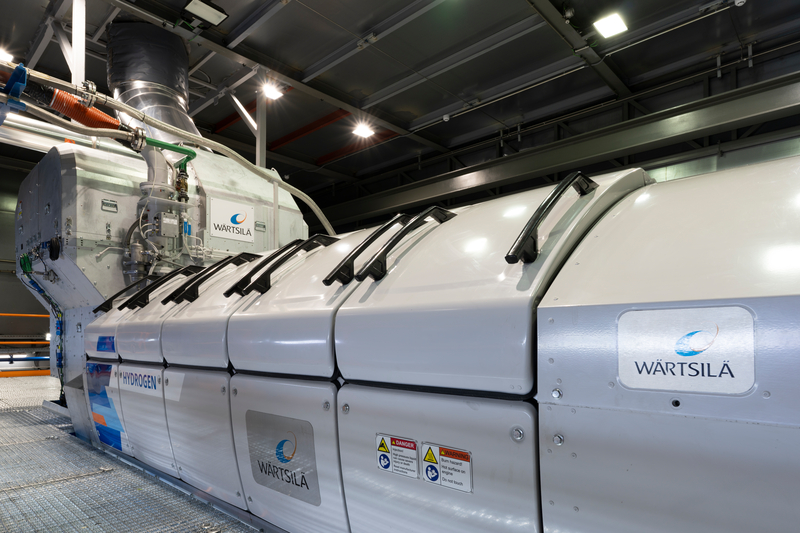

- MatH2 consortium launched to solve key material barriers limiting hydrogen storage and transport.
- Initiative targets safe and cost competitive hydrogen infrastructure across Europe and global markets.
- Project supported by Finnish industry and research partners with potential €34 billion contribution to Finland by 2035.
A new consortium named MatH2 has been launched to address critical material technology constraints that are slowing the wider adoption of hydrogen in global energy systems.
Hydrogen is increasingly seen as a key energy carrier in the transition toward lower carbon energy systems, but its physical properties continue to present major challenges. Its low density creates difficulties for storage and transport, while its interaction with metals can lead to material degradation that threatens the safety and durability of infrastructure.
The MatH2 consortium has been created to respond to these challenges by developing and validating hydrogen compatible materials and components that can operate safely and efficiently under hydrogen exposure. The initiative focuses on creating a new portfolio of affordable materials and enabling technologies designed to withstand hydrogen and other chemicals essential to the hydrogen economy.
The consortium has been established under WISE, a programme led by Finnish technology group Wärtsilä and supported by Business Finland. The initiative is coordinated by VTT Technical Research Centre of Finland and brings together ten partners from across industry and research. These include EOS, Neste, Nordic Tank, Teknos, SSAB, Bumax, SP Stainless, VTT and the University of Oulu, alongside Wärtsilä.
Related news: Africa’s cement industry and the push for energy security
The global hydrogen market reached 97 million tonnes in 2023, reflecting strong growth momentum. However, scaling remains constrained by the lack of widely validated materials that can ensure safe, reliable and cost competitive hydrogen infrastructure across storage, pipelines and end use systems.
Rasmus Teir, Director Technology Strategy and Decarbonisation at Wärtsilä, said scaling hydrogen cost efficiently remains a defining challenge for the energy transition and requires collaboration across the entire value chain. He noted that the consortium aims to bridge the gap between research and industrial deployment to enable hydrogen to become a safe, affordable and scalable energy carrier supporting a net zero energy system.
Across Europe, hydrogen infrastructure development is accelerating with investments in pipelines, terminals and industrial applications. However, material degradation caused by hydrogen exposure, including embrittlement and corrosion, remains a major technical barrier. Ensuring the reliability of critical components such as welds and storage systems is essential to enabling safe scaling of hydrogen networks.
The MatH2 initiative aims to address these limitations by developing materials with improved durability and reduced degradation under hydrogen conditions. The consortium also seeks to improve predictability in material performance, enabling more reliable design of hydrogen ready engines, pipeline systems and fuel processing technologies.
Finland is positioned as a potential leader in the hydrogen economy due to its access to low cost carbon free electricity, biogenic carbon dioxide resources for hydrogen derivative production and strong grid infrastructure. The country sees potential for hydrogen to contribute up to €34 billion annually to gross domestic product by 2035 and support more than 60,000 jobs across technology development and infrastructure deployment.
At European Union level, the hydrogen strategy targets 20 million tonnes per year of renewable hydrogen supply by 2030, positioning initiatives such as MatH2 as important contributors to long term energy system transformation.
The consortium builds on Finland’s broader WISE programme, which focuses on developing zero emission balancing power solutions to support decarbonisation. Wärtsilä, which leads the programme, continues to expand its role in hydrogen innovation, including recent work on a 100 percent hydrogen engine test project in Spain. The demonstration is intended to validate large scale hydrogen-based power generation under real grid conditions and support future commercial deployment.
Author: Bryan Groenendaal