


- NERSA extends the consultation deadline on electricity trading rules to 31 January 2026 following stakeholder requests.
- New wholesale electricity market set to transform South Africa energy sector through competitive trading.
- Eskom dual role raises concerns over market fairness and investor confidence.
The National Energy Regulator of South Africa has extended the notice and comment period for its consultation paper on electricity trading rules to 31 January 2026. The paper was originally published on 16 November 2025 with a closing date of 16 January 2026. The extension follows formal requests from stakeholders seeking additional time to review and respond to the proposed framework.
NERSA has encouraged all interested and affected parties to use the extended period to submit inputs that will help shape the future structure of electricity trading in South Africa. The consultation is closely linked to the planned launch of the South African Wholesale Electricity Market, widely viewed as a milestone reform for the country energy sector.
The introduction of the wholesale market (SAWEM) marks a decisive shift away from the historic single buyer model dominated by Eskom. For the first time multiple buyers and sellers will be able to trade electricity on a transparent market-based platform. The reform is expected to unlock competition encourage private sector participation and support the development of a more resilient and investor friendly electricity system.
According to the National Energy Crisis Committee the initial phase of the market will enable bilateral trading between generators and large customers. This will later expand into a fully functional wholesale market allowing electricity to be traded in near real time.
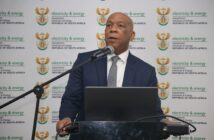
The Minister of Electricity and Energy Dr Kgosientsho Ramokgopa has described the market reform as one of the most significant structural changes to the electricity industry since 1994. He said the new framework is intended to unlock investment strengthen competition and support South Africa transition to a sustainable and reliable energy future.
SAWEM is expected to be launched on 1st April 2026, however concerns around potential bias have emerged particularly in relation to Eskom evolving role. While the utility remains responsible for grid stability and continues to own most transmission and distribution infrastructure it also plans to remain an active market participant. Eskom has signalled its intention to invest in renewable energy operate as an electricity trader and aggregator maintain coal operations develop gas to power projects and manage tariff adjustments.
For private renewable energy developers especially solar PV investors this creates a complex operating environment. Eskom is positioned simultaneously as a partner a competitor and the primary gatekeeper to grid access. Its plans to procure renewable power and trade electricity place it in direct competition with independent power producers raising questions around transmission access pricing transparency and the risk of indirect gatekeeping.
Industry stakeholders have warned that unless Eskom dominant position is carefully managed within the design of the wholesale market private investment particularly foreign capital could be discouraged. Market liberalisation will depend not only on new trading rules but also on credible institutional separation and confidence that those rules will be applied fairly and without bias.
Author: Bryan Groenendaal



1 Comment
Pingback: Renew #6: New year power – Outlier Editor