- National Free Basic Electricity rate set at 238.60 c/kWh for the 2026/27 financial year.
- Eskom to continue billing municipalities for free electricity supplied to qualifying households.
- NERSA highlights funding and administrative challenges affecting programme delivery.
South Africa’s National Energy Regulator of South Africa, National Energy Regulator of South Africa, has approved the National Free Basic Electricity rate for the 2026/27 municipal financial year at 238.60 c/kWh.
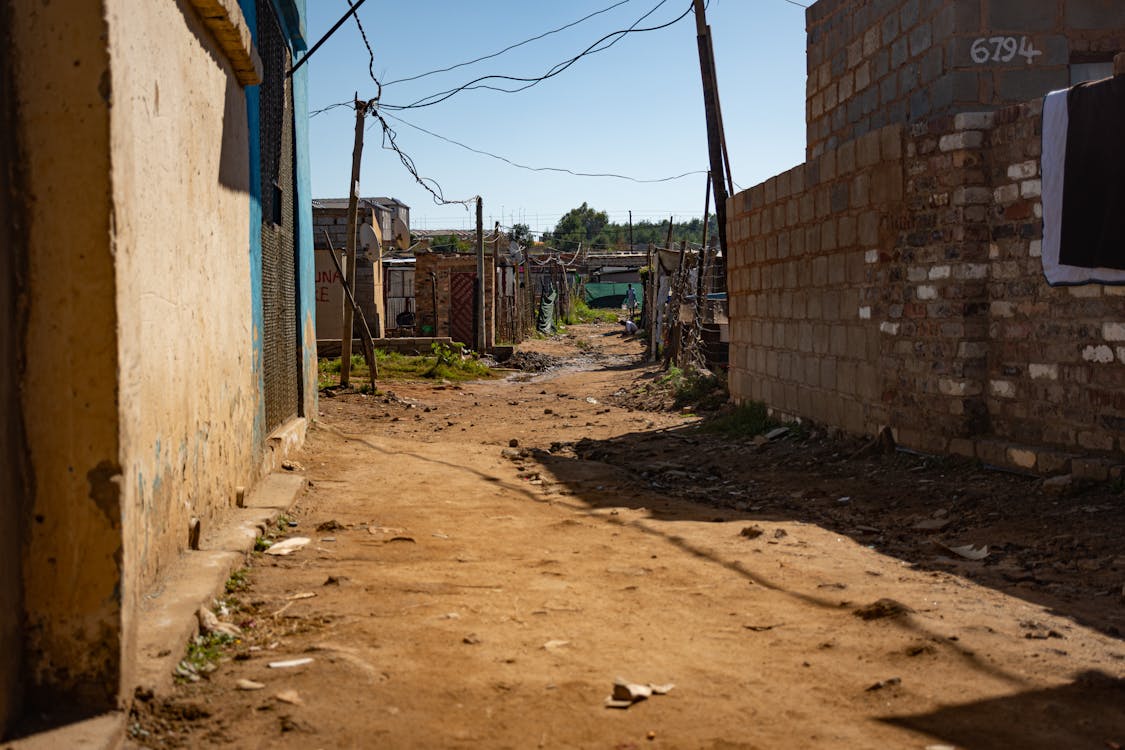
The approved rate will apply from 1 July 2026 to 30 June 2027 and will be used by Eskom to bill municipalities for Free Basic Electricity units supplied to qualifying indigent households in Eskom supplied areas.
The Free Basic Electricity programme forms part of South Africa’s Electricity Basic Services Support Tariff policy, which provides 50 kWh of electricity each month to qualifying low income households identified by municipalities. The initiative is funded through equitable share allocations from the national government and is intended to support municipalities in meeting their constitutional obligations to provide basic services.
NERSA said the programme has played a critical role in expanding electricity access to vulnerable communities since the introduction of Free Basic Services in 2001. The regulator approved the first National Free Basic Electricity rate in September 2003 and reviews the tariff annually in line with a methodology adopted in March 2021.
The regulator noted that the tariff adjustment is aligned with Section 15 of the Electricity Regulation Act, 2024, which prohibits licensed entities from charging tariffs that have not been approved by the regulator.
Under the current implementation model, Eskom appoints principal agents to distribute Free Basic Electricity units to sub agents and end users. These agents operate under fixed term contracts that include vending commissions linked to annual Consumer Price Index adjustments.
NERSA said it remains important to ensure that the use of intermediaries does not place unnecessary pressure on the Free Basic Electricity tariff, as these commissions are incorporated into the final rate structure.
The regulator also acknowledged ongoing implementation challenges facing municipalities, including administrative weaknesses, technical constraints and financial pressures. NERSA said one of the key concerns is that equitable share allocations are not ring fenced, meaning municipalities are not legally required to separately account for these funds in their budgets.
According to the regulator, this creates difficulties in financially constrained municipalities where funding earmarked for free basic services may be diverted to address broader fiscal pressures.
NERSA said improving the programme will require stronger operational systems, better beneficiary targeting and enhanced coordination between different spheres of government.
To support reforms, the Department of Electricity and Energy has established a Multi Stakeholder Review Panel on Free Basic Electricity. The panel includes the South African Local Government Association, the National Treasury, NERSA and other stakeholders involved in programme implementation.
The panel has been tasked with reviewing the design of the programme and developing evidence based recommendations aimed at improving delivery and expanding access.
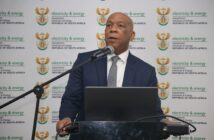
“It is important to indicate that NERSA’s mandate is to determine tariffs, including NFBE rates, while policy implementation rests with municipalities and the national government,” said Willy Majola, Full Time Regulator Member responsible for Electricity Regulation.
Author: Bryan Groenendaal