- Government targets structural reform to ease rising electricity costs and protect vulnerable consumers.
- Expanded Free Basic Electricity and direct subsidies planned to improve support delivery.
- New tariff measures aim to revive energy intensive industries and stabilise the grid.
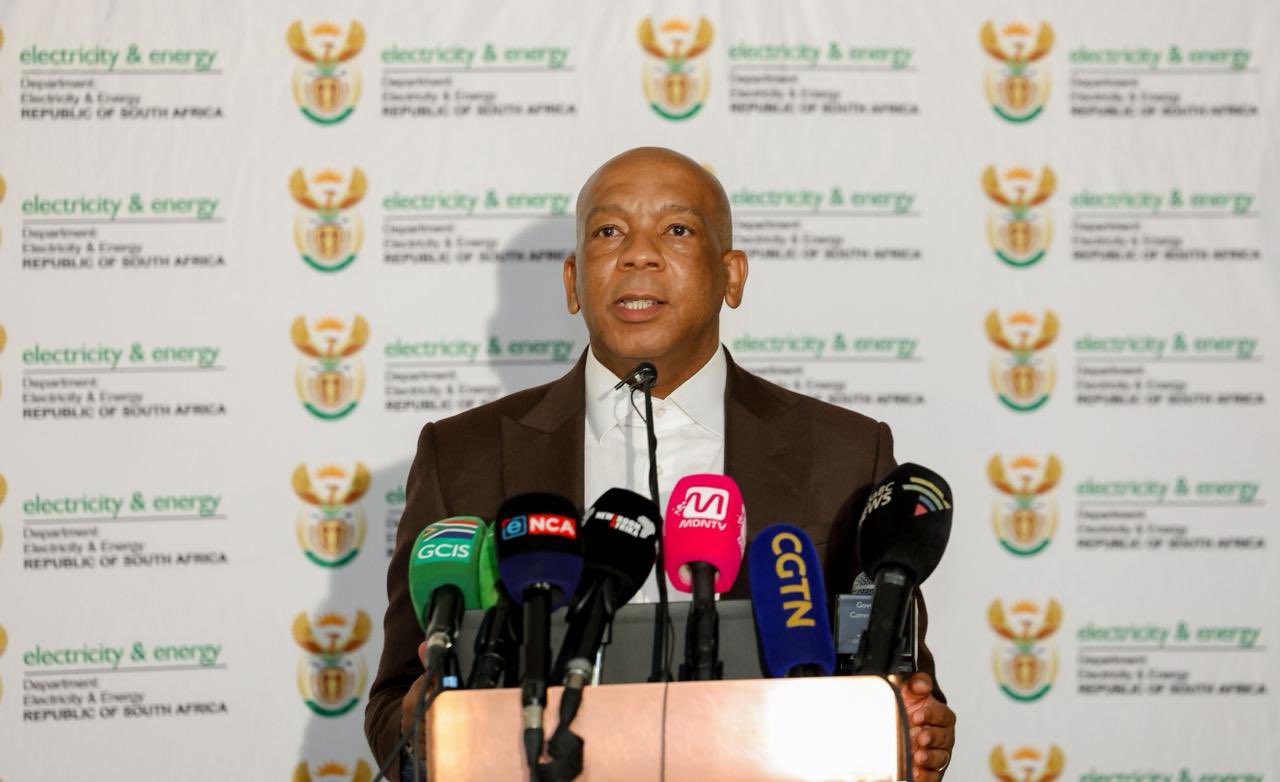
South Africa is preparing a sweeping reform of its electricity pricing framework as rising tariffs place increasing pressure on households and businesses. South Africa’s Electricity and Energy Minister, Dr Kgosientsho Ramokgopa, is leading the initiative, describing current electricity costs as increasingly difficult for many consumers to sustain.
The reforms come in the wake of a recent 8.76% tariff increase implemented in April 2026 by National Energy Regulator of South Africa. While this adjustment adds to short term cost pressures, the government’s strategy is focused on long term structural changes aimed at delivering relief and restoring affordability.
A central element of the plan is to rebalance the system in favour of low-income households and struggling industrial sectors. The Free Basic Electricity allocation, which has remained at 50 kWh per month since 2003, is set to be revised upward to better reflect current household energy needs.
In parallel, the government intends to introduce direct to consumer subsidies enabled by smart metering. This approach is designed to ensure that financial support reaches intended beneficiaries without diversion at municipal level, improving efficiency and transparency in subsidy distribution.
Industrial users are also in focus. A dedicated tariff framework has been introduced to support the ferrochrome sector, with the goal of bringing 45 smelters back online by December 2026 through reduced electricity costs. This intervention is expected to support industrial recovery and protect jobs in a key export segment.
At the utility level, Eskom is restructuring its tariff model by increasing the share of fixed costs through a higher Generation Capacity Charge. The utility is targeting a 30% fixed cost structure in the 2026 to 2027 financial year. While this is intended to improve grid sustainability and revenue stability, it may result in higher effective costs for low consumption users and customers with rooftop solar installations.
Despite the planned reforms, consumers are facing immediate increases. Eskom direct customers saw an average tariff rise of 8.76% from 1 April 2026, while municipal customers are expected to face increases of around 9.01% from 1 July 2026. A further increase of 8.83% has already been scheduled for April 2027, underscoring the urgency of structural reform.
To support the redesign of the pricing framework, the government has tasked South African National Energy Development Institute (SANEDI) with developing a model that can restore the country’s historical advantage of low-cost electricity. This competitive pricing has long been a cornerstone of South Africa’s industrial growth and employment and remains central to its future energy strategy.
Author: Bryan Groenendaal