- A new overview from the International Atomic Energy Agency (IAEA) outlines how nuclear energy is expanding worldwide, with new reactors coming online, more countries entering the sector, and non-electric applications gaining traction.
- The findings, drawn from the IAEA’s Power Reactor Information System(PRIS), underscore nuclear power’s growing role as nations pursue net-zero emissions and seek reliable low-carbon electricity.
PRIS compiles reactor-level data submitted voluntarily by Member States. The latest update, Nuclear Power Status in 2025, points to six major global trends shaping the sector’s future.
Global nuclear capacity could more than double by 2050
IAEA projections show nuclear power capacity could rise to between 561 and 992 gigawatts electric (GW(e)) by mid-century — up to twice today’s level. Such growth would cement nuclear energy as a cornerstone of the clean energy transition, complementing intermittent sources like solar and wind.
416 reactors are operating worldwide
As of 19 November 2025, a total of 416 reactors were in operation globally, providing 376.3 GW(e) in capacity. In 2024, 421 reactors generated about 2,617.3 terawatt hours (TWh) of electricity.
The United States remains the world’s largest nuclear producer, with 94 reactors generating more than 781.9 TWh in 2024. China continues rapid expansion, operating 57 reactors while building another 29. Its fleet produced more than 417.5 TWh last year.
Europe also depends heavily on nuclear energy. France leads globally in nuclear share, with 57 reactors supplying 67.3% of its electricity in 2024. Slovakia (60.6%), Hungary (47.1%), and Finland (39.1%) also rely significantly on nuclear power.
63 reactors under construction
A total of 63 nuclear reactors are currently being built worldwide. Once completed, they are expected to add 66.2 GW(e) of new capacity — a sign of continued investment to meet rising energy demand and climate commitments.
New nuclear units connected to the grid
Between 2024 and 2025, several major units began supplying electricity for the first time, including:
- Barakah-4 in the United Arab Emirates
- Flamanville-3 in France
- Vogtle-4 in the United States
- Kakrapar-4 and Rajasthan-7 in India
- Fangchenggang-4 and Zhangzhou-1 in China
These additions highlight the global momentum behind advanced reactor technologies.
More countries entering the nuclear landscape
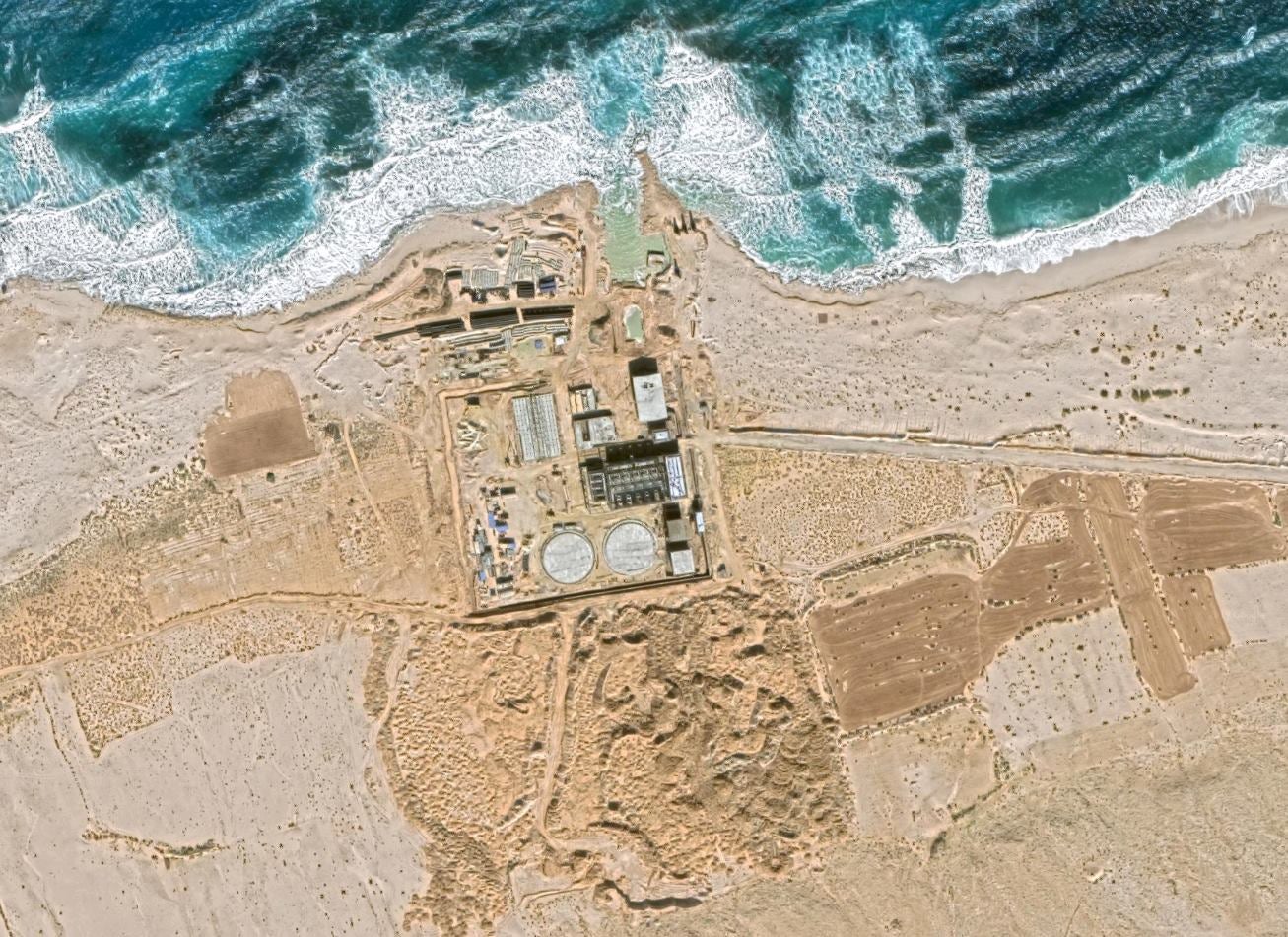
Nuclear energy is spreading to new regions. South Africa remains the only nuclear operator in Africa, but Egypt is constructing its first four reactors — a milestone for the continent’s energy diversification.
In South Asia, Bangladesh is building its first nuclear units, while India is expanding its fleet with six new reactors. Across Europe and Eurasia, Türkiye, Ukraine, and Russia are all constructing additional reactors to strengthen energy security and low-carbon generation.
Non-electric applications on the rise
Nuclear energy is increasingly being used beyond electricity production. In 2024, reactors supplied 2,644 GWh of heat for district heating, industrial processes, and desalination. China and Russia lead these efforts, demonstrating how nuclear power can support broader energy and water needs.
The IAEA’s latest data shows a sector in transition, growing in capacity, diversifying its applications, and expanding into new regions. As the world pushes toward net-zero goals, nuclear energy is poised to play a central role in providing stable, low-carbon power.
Author: Bryan Groenendaal