
Opinion
- Eskom’s operational recovery has created an overcapacity crisis just as demand for its predominantly coal produced electricity structurally declines.
- The launch of SAWEM promises competition and investment but risks being undermined by legacy control.
- Trust and transparency will determine whether reform unlocks the energy transition or stalls it.
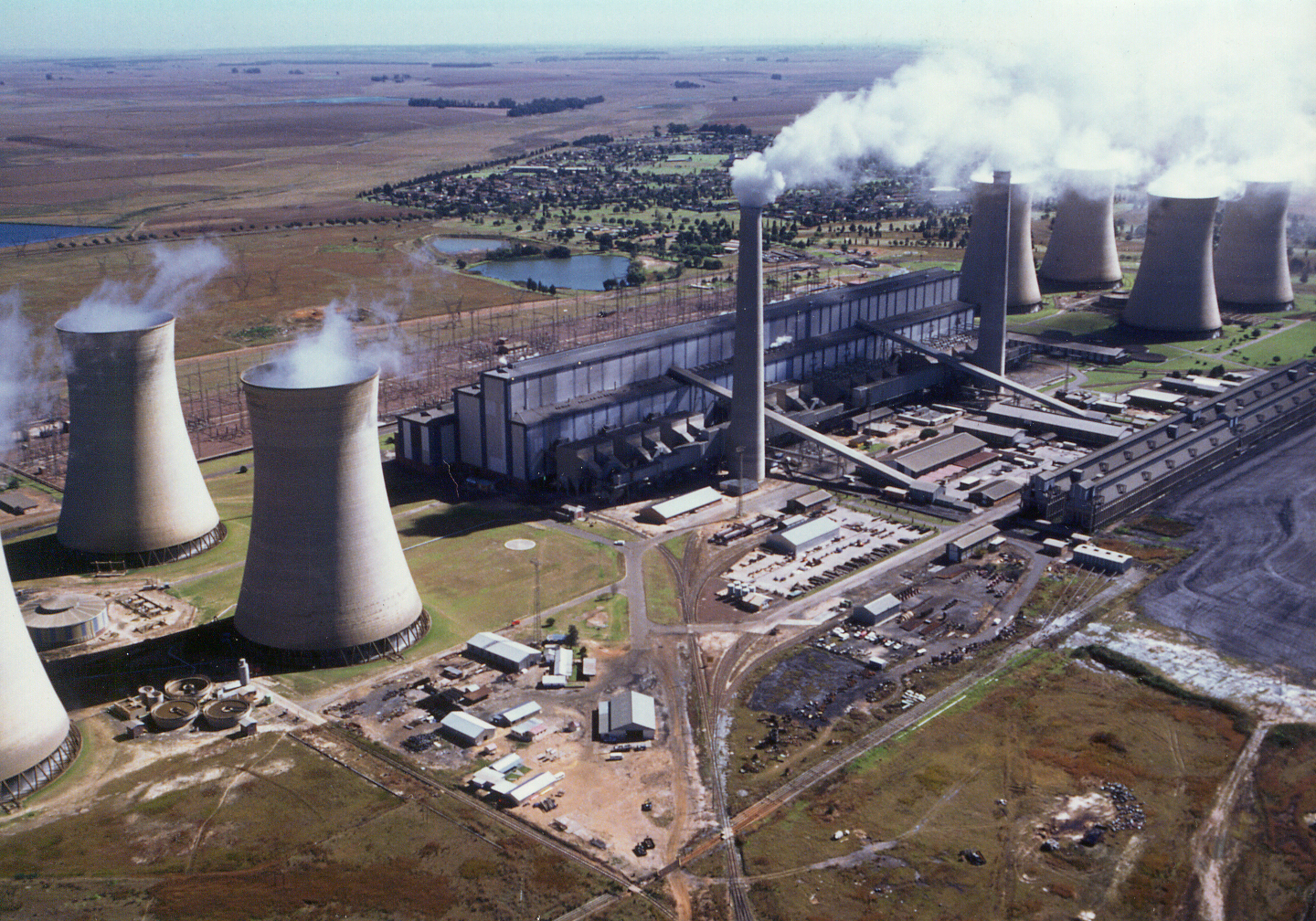
South Africa finds itself in an energy moment few would have predicted five years ago. Eskom has stabilised its operations, load shedding has stopped and plant performance has improved. Yet this apparent success masks a deeper structural problem. Eskom now has too much power. Read more
Years of unreliable supply pushed customers to seek cleaner and more dependable alternatives. Solar power coupled with energy storage in particular moved from niche to necessity. Some of Eskom’s specific peak day demand measurements in 2025/2026 show drops of nearly 4,500 MW (4.5 GW) compared to the same period a year earlier. What was once scarcity has become surplus.
In any business, overproduction is a primary source of loss. For Eskom, excess generation locks up cash flow, undermines plant economics and accelerates the risk that coal-based assets become stranded. This challenge is unfolding at precisely the moment when South Africa’s electricity sector is entering its most consequential reform period since 1994.
Related news: SMA Altenso expands footprint with new South African presence
The planned launch of the South African Wholesale Electricity Market in April 2026 alongside sweeping transmission reform and institutional realignment represents a decisive break from the single buyer model. The ambition is clear: liberalise electricity trading, unlock private investment and accelerate the energy transition while keeping the system stable.
This is a delicate balancing act. Market reform must attract capital without destabilising supply. It must open access while managing Eskom’s dominant legacy position. It must rapidly scale renewables while racing to expand a grid that is already constrained.
For customers, the most immediate change is choice. SAWEM will initially enable bilateral trading between generators and large users, with later phases introducing real time market operations similar to those in Europe and North America. As Energy Minister Dr Kgosientsho Ramokgopa has stated, this is one of the most significant structural shifts in the electricity sector since the democratic transition.
For solar and wind developers, the promise is compelling. Instead of relying almost exclusively on long term state procured power purchase agreements, projects will increasingly participate in a market where prices reflect time, location and system needs. In theory, low marginal cost generation such as solar PV and wind should thrive, especially when paired with storage.
In practice, the picture is far more complex. Market rules, settlement systems, vesting contracts, Eskom’s participation and the true independence of the market operator remain unresolved. Liberalisation will only succeed if these fundamentals are designed to ensure fair access and credible competition.
At the centre of this tension sits Eskom itself. The utility remains the custodian of grid stability and the owner of most transmission and distribution infrastructure. At the same time, Eskom intends to remain an active market participant. It plans to invest in renewables, trade and aggregate electricity, maintain coal operations, expand nuclear energy capacity, develop gas to power projects and continue managing tariff increases.
For private solar investors, this creates an inherent paradox. Eskom is simultaneously partner, competitor and gatekeeper. Its intention to procure its own renewable energy and trade electricity places it in direct competition with independent power producers, raising legitimate concerns about grid access, market pricing and subtle forms of control.
The risk is that Eskom’s coal overcapacity problem grows, and that the utility seeks to manage this by constraining the pace and scale of private generation. Such an outcome would blunt the very reforms SAWEM is meant to enable.
Related news: SMA Altenso selected as preferred inverter/BESS supplier for Africa’s largest off grid solar park in Angola
Recent developments have further eroded confidence. As respected energy analyst Chris Yelland has pointed out, Eskom publicly indicated in late 2025 that it had paused its legal challenge against NERSA over the granting of electricity trading licences to five private traders. This message was welcomed as a signal of cooperation and reform minded intent.
Court records, however, tell a different story. A Gauteng High Court directive confirmed that Eskom is proceeding with its review application, actively engaging in legal processes and preparing for further action. This contradiction raises uncomfortable questions about transparency, governance and trust at a critical juncture.
The licences granted to companies such as CBI electric Apollo, Discovery Green, Green Electron Market, GreenCo Power Services and NOA Group Trading were a logical step in implementing the Electricity Regulation Amendment Act of 2024. They were designed to enable competition, wheeling and trading as South Africa moves away from a vertically integrated monopoly.
Eskom’s legal challenge may be framed as technical, but its implications are deeply strategic. It tests whether the utility is genuinely prepared to coexist with competition in a reformed market, or whether it will seek to protect its position even as policy points in another direction.
Eskom’s recovery is real and welcome. But operational improvement alone is not enough. Without trust, transparency and a genuine commitment to market openness, South Africa risks replacing one form of constraint with another. The success of SAWEM will depend not only on rules and structures, but on whether Eskom can truly let go of the past while helping to build the future.
Author: Bryan Groenendaal
Disclaimer: The articles and videos expressed in this publication are those of the authors. They do not purport to reflect the opinions or views of Green Building Africa, our staff or our advertisers. The designations employed in this publication and the presentation of material therein do not imply the expression of any opinion whatsoever on the part Green Building Africa concerning the legal status of any country, area or territory or of its authorities.