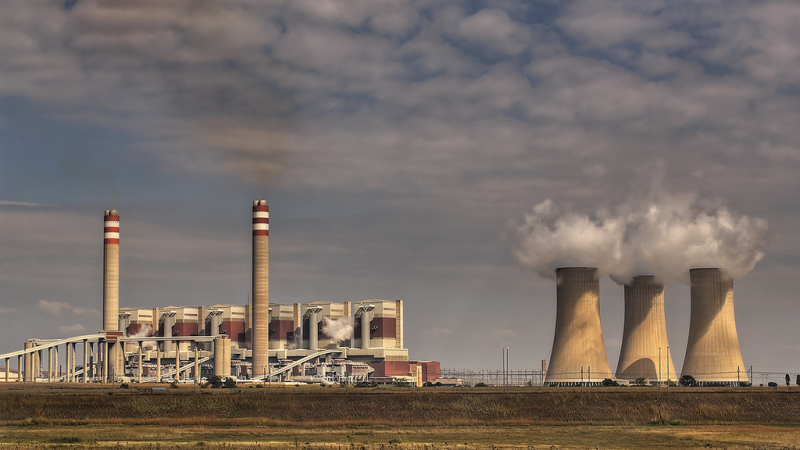
- Available generation capacity up by 4 400 MW compared to last year.
- Energy availability and unplanned outage metrics continue to improve.
- Diesel use and costs fall sharply amid higher fleet reliability.
Eskom says South Africa is entering 2026 with a structurally stronger electricity system than five years ago, supported by higher available capacity and sustained improvements in power station performance.
The utility reports that an additional 4 400 MW of capacity is available compared to the same period last year, while the year to date Energy Availability Factor has risen to 64.66 percent. The generation fleet has reached or exceeded the 70 percent EAF level on 55 occasions, signalling improved reliability and operational stability.
According to Eskom, the upward trend in EAF reflects both recovery and sustained improvement across the fleet, reinforcing confidence in national energy security and grid stability.
Between 9 and 15 January 2026, average unplanned outages declined to 8 252 MW, down from 14 783 MW recorded during the same period last year. This represents an improvement of 6 531 MW. Over the same timeframe, the Unplanned Capacity Loss Factor fell to 17.19 percent, a marked improvement from 30.93 percent a year earlier.
Planned maintenance levels increased during the period, with the Planned Capacity Loss Factor averaging 13.89 percent, up from 11.51 percent in the previous financial year. Eskom says this increase aligns with its maintenance strategy and reflects a deliberate effort to improve plant reliability and long term fleet performance. The approach builds on an intensive maintenance programme implemented last year, which exceeded historical norms and was designed to restore reliability.
The benefits of higher maintenance investment are becoming evident through the continued decline in unplanned outages and reduced reliance on costly diesel generation. Eskom reports that 5 368 MW of capacity is currently in cold reserve due to excess supply and lower seasonal demand.
For the fourth consecutive week, no diesel was used for generation, resulting in zero expenditure over the past four weeks. Year to date diesel spending is now R3.42 billion lower than at the same point last year, highlighting both cost savings and operational gains.
To support system stability, Eskom plans to bring 2 070 MW of generation capacity online ahead of the evening peak on Monday, 19 January 2026. Evening peak demand is forecast at 22 860 MW, with available capacity of 28 703 MW providing a comfortable supply margin.
From a performance perspective, the year to date Unplanned Capacity Loss Factor has declined further to 23.52 percent, remaining below last year’s level of 25.26 percent. Planned maintenance has averaged 5 362 MW, or 11.4 percent of total generation capacity, slightly higher than the previous week but lower than the comparable period last year.
Between 1 April 2025 and 15 January 2026, Eskom generated 1 049.38 GWh from open cycle gas turbine plants at a diesel cost of R6.23 billion. This is significantly lower than the 1 568.73 GWh generated during the same period last year at a cost of R9.65 billion. Diesel consumption has declined steadily since May 2025, with the current month to date load factor at zero percent.
The year to date open cycle gas turbine load factor has fallen to 4.42 percent, below both last year’s level of 6.60 percent and Eskom’s internal target, underscoring the impact of improved coal fleet performance on overall system costs and stability.
Link to Eskom’s real time performance data portal HERE
Author: Bryan Groenendaal