- Coal fleet weaknesses continue to drag down overall performance.
- Improvements driven by non-coal technologies mask underlying instability.
- Sustained 70% EAF unlikely without major structural and capital interventions.
Eskom’s latest operational update shows incremental progress, but deeper analysis suggests that the utility is unlikely to consistently achieve its long-standing target of a 70% energy availability factor (EAF).
For the week, Eskom reported an average EAF of 65.35%, reflecting a marginal week on week decline of 0.02%. While performance has improved by 4.75% year on year and by 10.79% over the past two years, these gains remain insufficient to signal a structural shift in fleet reliability. The system exceeded the 70% threshold on 83 occasions over the past year, but these instances have been short and intermittent rather than sustained.
Short term improvements are evident in reduced unplanned outages. Between 27 March and 2 April 2026, unplanned outages averaged 9 879MW, down from 14 067MW in the same period last year, a reduction of 4 189MW. The unplanned capacity loss factor improved to 20.75%, from 29.52% a year earlier. However, this remains more than double Eskom’s internal target of 10%, underscoring persistent operational instability.
Planned maintenance has increased slightly, with the planned capacity loss factor averaging 15.58%, compared to 14.52% in the previous financial year. While this supports compliance and long-term reliability, it also continues to constrain near term availability. At the same time, 4 689MW remains in cold reserve, reflecting excess capacity under current demand conditions rather than improved plant performance.
Diesel usage has declined sharply, with expenditure for the financial year to date at R6.4 billion, down 62.46% year on year. Weekly diesel generation remains minimal, contributing just 0.40GWh at a cost of R2.27 million. While this points to reduced reliance on expensive peaking generation, it also reflects suppressed demand and improved short-term system balancing rather than a fundamentally stronger coal fleet.
Eskom plans to bring 2 385MW online ahead of the evening peak, with available capacity projected at 26 855MW against demand of 21 846MW. This provides a comfortable reserve margin but does not address the structural performance limitations embedded within the generation fleet.
New analysis by the amaBhungane Centre for Investigative Journalism highlights why these gains are unlikely to translate into a sustained 70% EAF. Using station level data from 2015 to 2025, the analysis shows that headline improvements are largely driven by higher performing technologies such as nuclear, hydro and diesel turbines, which together account for a relatively small share of installed capacity.
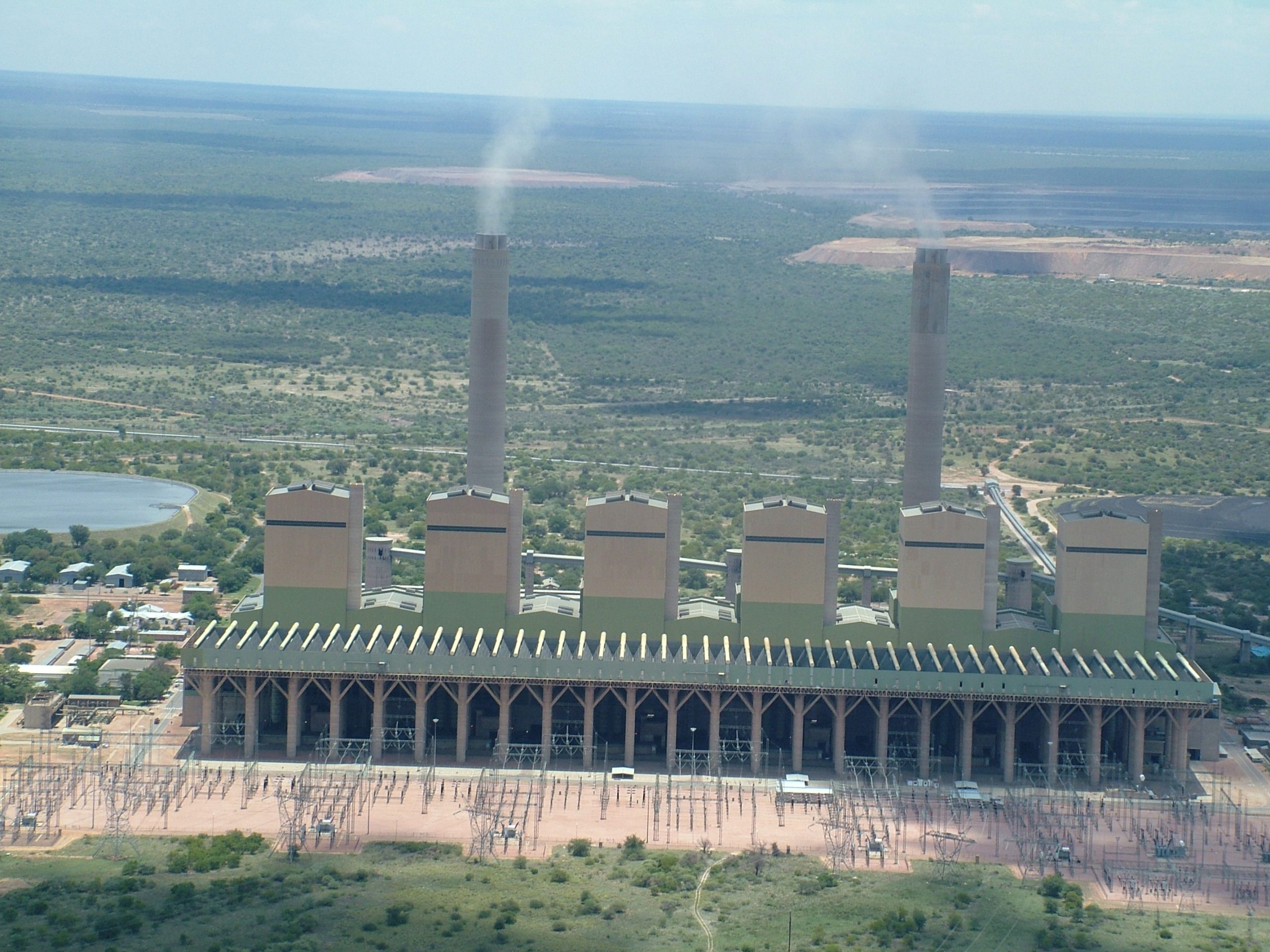
Coal, which represents 84% of Eskom’s fleet, remains the critical constraint. When isolated, coal fired stations achieved an EAF of just 58% in 2025, meaning they were unavailable 42% of the time. This gap illustrates the extent to which non coal technologies artificially lift the overall system average.
Breakdown rates remain particularly concerning. In 2025, half of the coal fleet experienced unplanned outages for more than 30% of the year, far above the 10% benchmark. Although this marks an improvement from 2022 levels, where breakdowns reached 35%, the fleet continues to operate in a fragile state.

Performance across stations is also highly uneven. While some plants have shown recovery, six stations, Arnot, Duvha, Grootvlei, Kendal, Kriel and Tutuka, representing 40% of coal capacity, reported EAF levels of 50% or lower. Duvha, at 43%, remains among the weakest performers, highlighting the declining competitiveness of ageing coal assets.
These dynamics suggest that recent improvements are cyclical rather than structural. High breakdown rates not only increase the risk of renewed load shedding, but also drive-up electricity costs, as fixed and repair costs are spread across lower output.
Projections from the South African Electricity Traders Association indicate that load shedding may remain absent in the near term, supported by incremental fleet recovery and new private generation capacity. However, risks re emerge toward the end of the decade if renewable deployment slows and demand rises.
Additional concerns have been raised in Eskom’s own system adequacy outlook for 2026 to 2030, particularly around grid stability as solar PV penetration increases. Without sufficient storage and flexible generation such as gas to power, excess daytime generation may need to be curtailed, pointing to inefficiencies in the evolving energy mix.
Taken together, the data suggests that while Eskom has stabilised performance from crisis levels, the underlying condition of its coal fleet continues to cap overall availability. In this context, achieving and sustaining a 70% EAF appears increasingly unlikely.
Link to Eskom’s real time performance data portal HERE
Author: Bryan Groenendaal