- Eskom’s EAF holds above 65% at 65.31% for FY to date.
- Unplanned outages drop 46.7% year on year to 8 146 MW.
- Diesel spending down 55.43% year on year despite contractual dispatch obligations.
South Africa’s state owned utility Eskom continues to use diesel powered generation due to legacy take or pay contractual obligations with independent power producers even as overall grid performance improves.
The utility reported that its Energy Availability Factor has remained above the 65% threshold and currently stands at 65.31% for the financial year to date covering the period from 1 April 2025 to 5 March 2026. The metric reflects improved plant performance as the power system stabilises following years of severe supply shortages.
Between 27 February and 5 March 2026 average unplanned outages were recorded at 8 146 MW. This represents a significant improvement compared with the 15 275 MW experienced during the same period last year. The reduction of 7 129 MW equates to a 46.7% decline in unplanned outages year on year.
The Unplanned Capacity Loss Factor, which measures the level of unplanned outages across the fleet, stood at 16.89% over the same period. This marks a 14.95% reduction compared with the 31.85% recorded during the equivalent week last year.
Planned maintenance activity has increased as the utility continues with reliability improvement programmes. Eskom reported a Planned Capacity Loss Factor of 13.08% during the same period, up from 11.14% in the previous financial year.
The improved system position has also resulted in excess capacity. Eskom said 5 636 MW of generation capacity is currently in cold reserve.
Diesel burn
Despite the stronger system performance diesel powered generation was still dispatched during the past week. Diesel usage contributed 0.86 GWh of electricity to the grid at a cost of R5.17 million, resulting in a weekly load factor of 0.15%, pending invoice finalisation at month end.
For the financial year to date diesel expenditure has declined significantly. Spending is currently R7.86 billion lower than during the same period last year, representing a 55.43% reduction year on year. Eskom said the decrease reflects cost savings and improved operational performance linked to its ongoing turnaround initiatives.
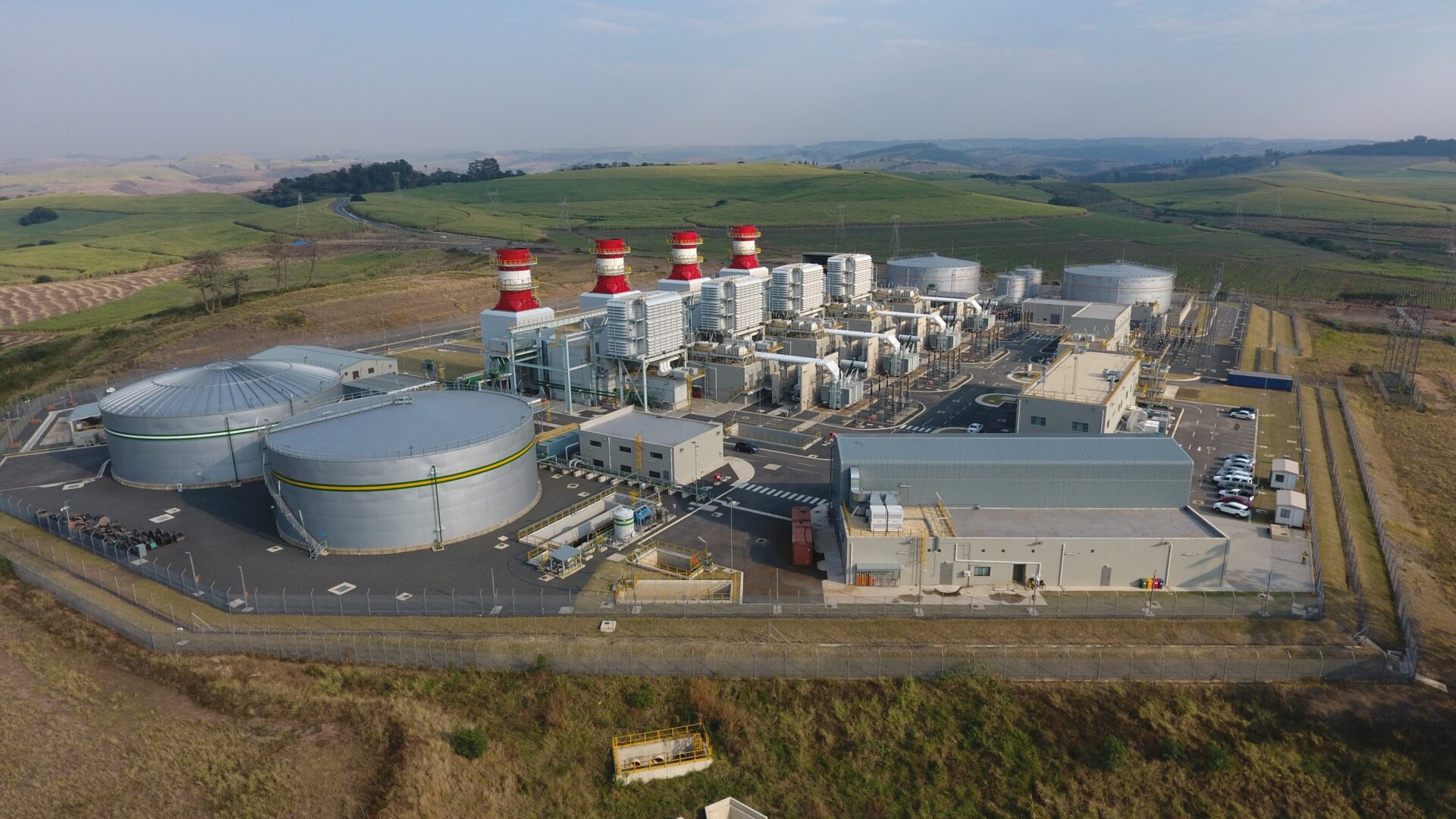
The recent diesel burn was largely linked to contractual obligations associated with open cycle gas turbine units operated by independent power producers. These plants were dispatched in line with existing take or pay agreements signed during a period of severe electricity shortages to secure guaranteed minimum usage levels over six month cycles.
Under these contracts Eskom is required to pay for the committed generation capacity regardless of whether the energy is fully utilised. As a result diesel consumption in the coming weeks may primarily reflect compliance with these contractual commitments rather than system shortages.
The two main Open Cycle Gas Turbine (OCGT) power stations operated by independent power producers that supply electricity to Eskom are Avon and Dedisa. These plants are owned by consortia known as the Dedisa Peaking Power Company and the Avon Peaking Power Company.
The key shareholders and owners in these consortia include Engie, formerly known as GDF Suez, Mitsui and Co, The Legend Power Solution, and Black Economic Empowerment partners such as Peaker JV.
Key details about the independent power producer plants are as follows:
- Avon Peaking Power Station has a capacity of 670 megawatts and is located in KwaZulu Natal.
- Dedisa Peaking Power Station has a capacity of 335 megawatts and is located in the Eastern Cape.
To support system reliability Eskom plans to bring 1 575 MW of additional generation capacity online ahead of the evening peak on Monday 9 March 2026. Peak demand is forecast at 23 807 MW while available capacity is expected to reach 29 048 MW, providing a healthy reserve margin above current demand.
Author: Bryan Groenendaal