- Energy transition and grid expansion dominate new investment commitments.
- More than R2 trillion earmarked for generation and R440 billion for transmission.
- Policy reforms open electricity and logistics sectors to private participation.
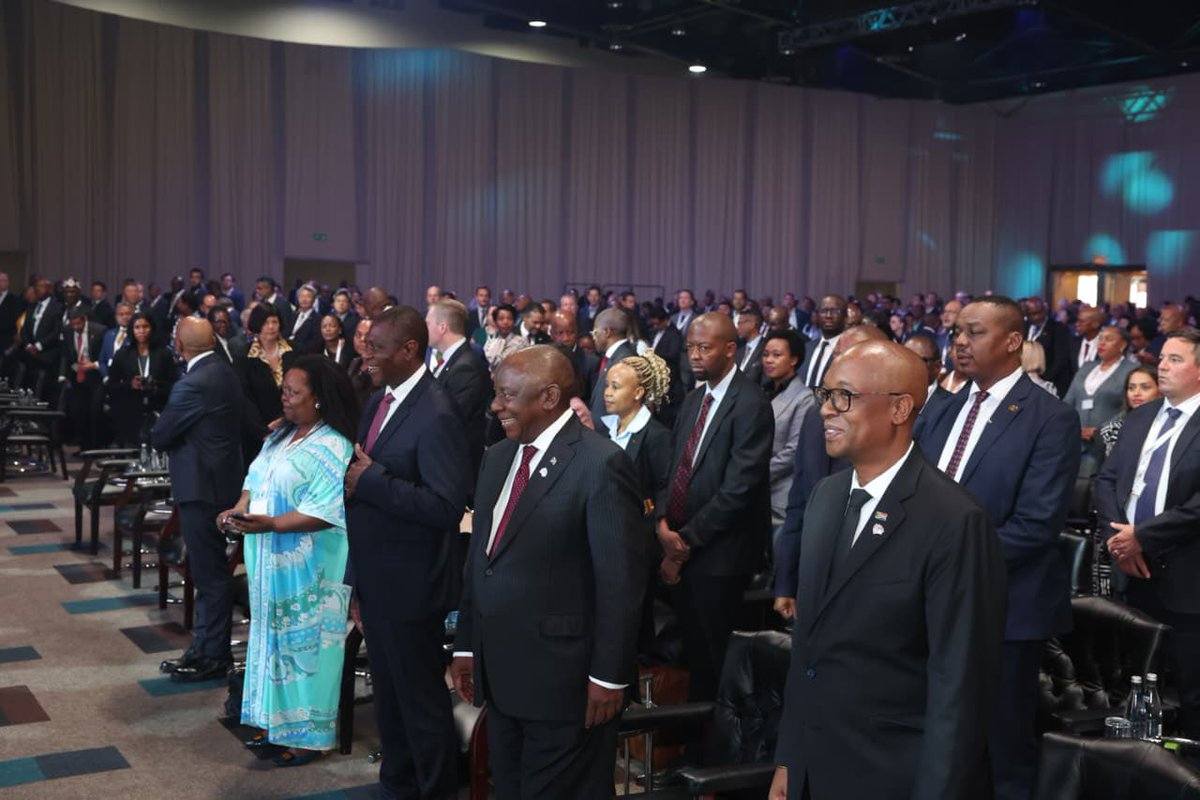
South Africa’s energy sector has emerged as the central pillar of a new investment cycle, following record commitments secured at the 2026 South Africa Investment Conference, with President Cyril Ramaphosa framing the outcome as a decisive shift from recovery to expansion.
A significant share of the pledges is linked directly to energy transition, grid infrastructure and industrial decarbonisation, underlining the sector’s role as both a constraint and catalyst for economic growth. Domestic investors led much of the activity, complemented by rising foreign direct investment and development finance participation.
Among the headline projects, Toyota committed R10.4 billion in KwaZulu Natal to support the decarbonisation of its automotive operations, while Sasol pledged R60 billion to modernise and transition its energy intensive facilities in Mpumalanga and the Free State. These investments reflect a broader shift by industry toward cleaner energy systems and more efficient operations.
Government’s forward pipeline reinforces the scale of the opportunity. Electricity and Energy Minister Kgosientsho Ramokgopa confirmed that more than R2 trillion will be invested in new generation capacity under the Integrated Resource Plan, alongside R440 billion allocated to transmission infrastructure. A portion of this grid expansion will be delivered through independent transmission projects, marking a structural shift toward private sector participation.
This expansion is critical to unlocking renewable energy deployment at scale, addressing grid constraints and enabling industrial users to transition away from carbon intensive power sources. South Africa’s abundant wind and solar resources, combined with a maturing regulatory framework, position the country as a competitive destination for energy investment.
Reforms in the electricity sector are also reshaping the market. By introducing competition and reducing reliance on a single dominant utility model, government aims to improve efficiency, drive innovation and lower the long term cost of power. These changes are expected to support energy intensive sectors while enhancing overall system resilience.
Beyond generation, energy linked opportunities are extending into freight logistics and infrastructure, where reforms are enabling private operators to participate in corridors critical for energy commodities and industrial supply chains. Transport Minister Barbara Creecy highlighted upcoming projects tied to export corridors and port infrastructure, which are essential for coal, manganese and future green energy value chains.
From a macroeconomic perspective, Finance Minister Enoch Godongwana indicated that energy and logistics reforms could lift GDP growth from about 1.6% to above 3%, contingent on stable fiscal and inflation conditions. Improvements in inflation and public finances are supporting investor sentiment, even as global energy market volatility remains a risk.
Trade Industry and Competition Minister Parks Tau said government is accelerating project implementation through regulatory reforms, including streamlined approvals, digitised permitting and fast tracked licensing under the planned Omnibus Fast tracking Act. These measures are designed to remove bottlenecks that have historically delayed large scale energy and infrastructure projects.
While previous investment cycles attracted R1.5 trillion in pledges, questions remain حول execution rates and their impact on growth and employment. Government maintains that a substantial portion has already flowed into the real economy, but the current focus is firmly on converting commitments into operational energy assets and infrastructure.
Ramaphosa stressed that South Africa’s energy transition is now underpinned by irreversible reforms, with decarbonisation, digitisation and diversification shaping the future energy mix and industrial strategy. As the country seeks to double fixed investment over time, the energy sector is expected to remain the primary driver of capital deployment, industrial competitiveness and long term sustainability.
With large scale generation, transmission expansion and growing private sector participation aligned, South Africa is positioning its energy sector at the centre of its economic growth agenda and as a key destination for global energy investment.
Author: Bryan Groenendaal