- Egyptian Ambassador signals interest in Batoka Gorge project following Egypt’s US$2.9bn EPC role in Tanzania’s 2115 MW Julius Nyerere plant.
- Zambia invites strategic investors to help close national energy deficit and expand generation capacity.
- The 2400 MW Batoka scheme positioned as climate resilient, basin wide solution under Southern African Power Pool framework
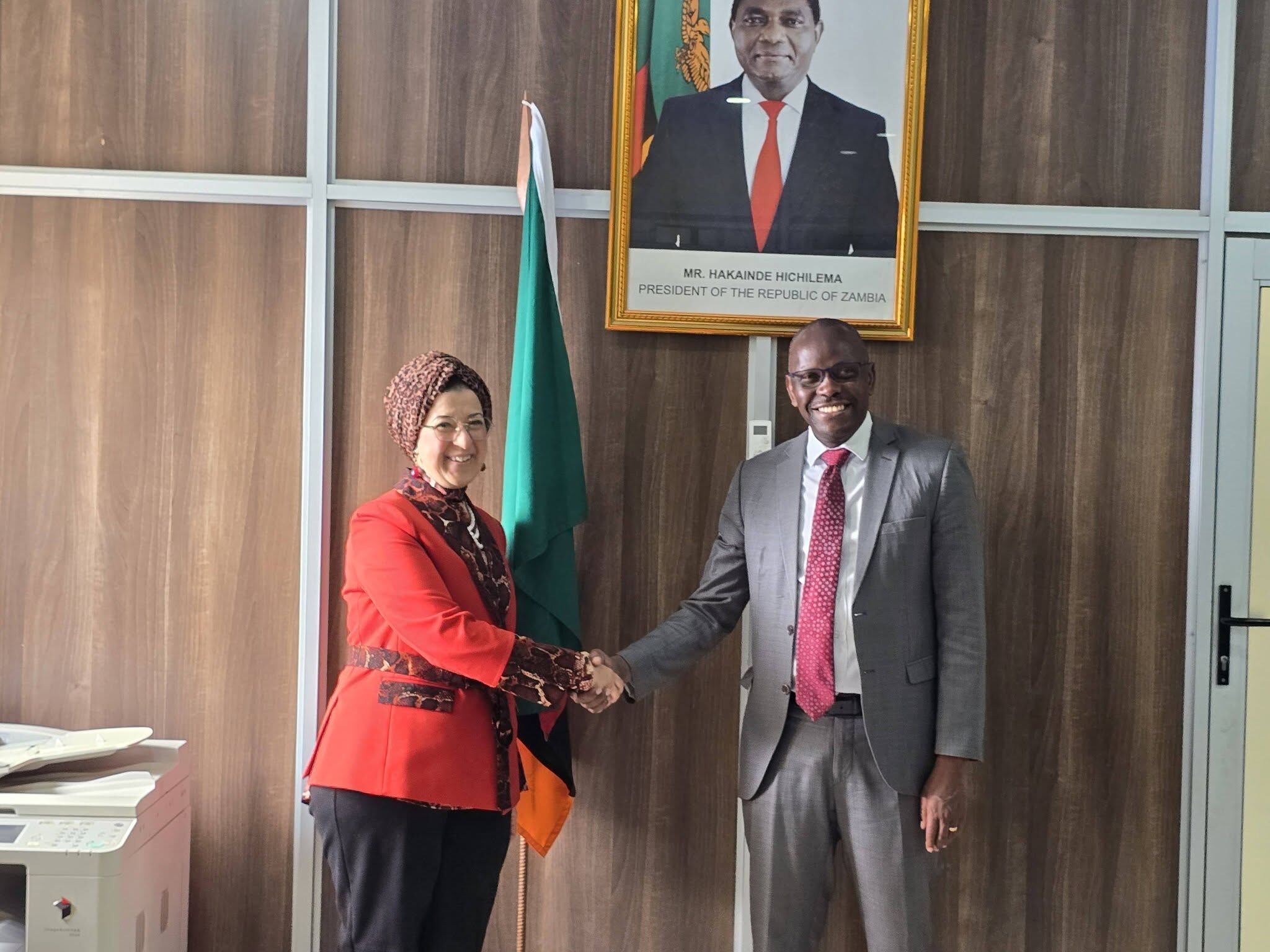
The Ambassador of Egypt to Zambia, Her Excellency Mayada Essam Abdelrahman, has paid a courtesy call on Energy Minister Hon. Makozo Chikote at the Ministry of Energy headquarters in Lusaka, signalling growing Egyptian interest in Zambia’s power sector and in particular the 2400 MW Batoka Gorge Hydro Electric Scheme.
The Ambassador, accompanied by Political and Economic Officer Ms Mariam Sakr, held discussions focused on strengthening bilateral cooperation in electricity generation, renewable energy development and energy infrastructure investment.
A key area of interest was the Batoka Gorge Hydro Electric Scheme, a joint development between Zambia and Zimbabwe on the Zambezi River. The project is being positioned as a flagship regional power investment designed to enhance long term energy security while responding to climate variability.
Ambassador Abdelrahman referenced Egypt’s recent experience in delivering large scale hydropower on the continent. Egypt’s The Arab Contractors Osman A Osman and Co and Elsewedy Electric formed a joint venture to construct the 2115 MW Julius Nyerere Hydropower Plant in Tanzania under an Engineering Procurement and Construction contract valued at approximately US$2.9bn.
In response, Minister Chikote encouraged Egyptian investors to explore opportunities across Zambia’s energy value chain. He noted that Zambia continues to face an energy deficit and is actively seeking strategic partnerships to increase generation capacity and reinforce strong diplomatic and commercial ties between the two countries.

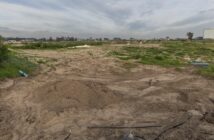
Batoka Gorge. Image credit: Ministry of Energy Zambia
About the project
The Batoka Gorge Hydro Electric Scheme is designed as a 2400 MW run of river project that will utilise existing flows on the Zambezi River rather than relying on large storage reservoirs. This approach is expected to reduce environmental and social impacts while aligning with international hydropower best practice.
Extensive feasibility, hydrological and climate assessments, supported by more than 100 years of river flow data managed by the Zambezi River Authority, indicate that the Zambezi basin can sustainably support Batoka as part of an integrated cascade system. This system includes the Kariba Dam and other planned schemes such as Devils Gorge and Mupata Gorge.
Through coordinated basin wide operations, the Batoka project is expected to optimise water releases across stations, reduce pressure on Kariba, improve flexibility during dry periods and maximise energy output from each unit of water. This integrated river basin model is widely recognised as best practice for shared watercourses, particularly under conditions of climate variability.
Beyond its generation capacity, Batoka is also positioned as a strategic asset within the Southern African Power Pool framework, strengthening regional resilience through diversified supply and coordinated cross border planning.
Both Zambia and Zimbabwe have reiterated their commitment to advancing the project, including policy backing and direct equity participation aimed at improving bankability and attracting international investment.
As Zambia seeks to close its power supply gap and accelerate industrial growth, the Batoka Gorge Hydro Electric Scheme is increasingly being framed as a system level intervention that combines engineering innovation, sustainability and regional cooperation to deliver reliable low carbon energy for decades to come.
Author: Bryan Groenendaal