- Government says air pollution is a human rights, health and development issue under Section 24 of the Constitution.
- Highveld Priority Area remains one of South Africa’s most polluted regions despite ongoing interventions.
- Stronger collaboration with industry, civil society and communities is being prioritised to improve air quality outcomes.
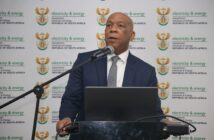
South Africa’s Deputy Minister of Forestry, Fisheries and the Environment Bernice Swarts has reiterated that access to clean air is a fundamental human right, as government seeks to intensify efforts to address persistent air pollution in the country’s most affected regions.
Speaking at a Government and NGO dialogue on air quality in the Highveld Priority Area in Johannesburg, Swarts said air pollution should not be viewed only through an environmental lens, but as a broader social, health and development challenge.
She said air pollution is ultimately a human rights issue, grounded in Section 24 of the Constitution, which guarantees the right to an environment that is not harmful to health and wellbeing. According to her, this places a shared responsibility on government, industry, civil society and citizens to work together to reduce emissions and improve environmental outcomes.
Swarts noted that while interventions have been implemented over the years, communities in the Highveld Priority Area continue to experience poor air quality. The region remains one of South Africa’s most significant pollution hotspots, driven by emissions from industrial activities, domestic fuel burning, waste burning and transport.
She acknowledged concerns raised by residents and civil society regarding the impact of pollution and the pace of progress in addressing it. She also recognised growing calls for improved accountability and transparency in air quality management.
Swarts said the purpose of the dialogue was to strengthen cooperation between stakeholders and move towards practical solutions that can deliver measurable improvements for affected communities. She emphasised the importance of building trust and ensuring that engagement translates into action.
She referenced the G20 Cape Town Ministerial Declaration on Air Quality as an important international framework supporting South Africa’s approach. The declaration elevates clean air as a public health, environmental and socio economic priority and highlights the disproportionate impact of air pollution on vulnerable communities. It also supports improved monitoring systems, better data, citizen participation and stronger cross sector collaboration.
According to Swarts, government cannot address air pollution challenges alone and requires active participation from communities and civil society organisations. She said residents are often the first to experience the effects of pollution and must therefore play a central role in decision making processes.
She added that tackling air pollution is also a matter of addressing inequality and ensuring that all South Africans can enjoy their constitutional rights to a healthy environment. Government, she said, remains committed to strengthening engagement platforms that enable meaningful participation from affected communities and stakeholders across the country.
Author: Bryan Groenendaal