- Department highlights serious health and environmental risks linked to PCB contaminated oils commonly found in electrical transformers.
- Municipalities urged to prevent public access to transformer oil.
- South Africa accelerates efforts to eliminate PCBs ahead of 2025 deadline.
South Africa’s Department of Forestry, Fisheries and the Environment has issued a warning to the public against the use of transformer oil or other electrical equipment oils for any non-industrial purposes, including traditional or informal medical treatments.
The warning follows reports from municipal engagements during 2024 where officials encountered misconceptions in some communities that transformer oil could be used to treat conditions such as rheumatic arthritis. According to the department, these beliefs have resulted in requests to municipal staff for access to transformer oil, some of which may be contaminated with highly toxic substances.
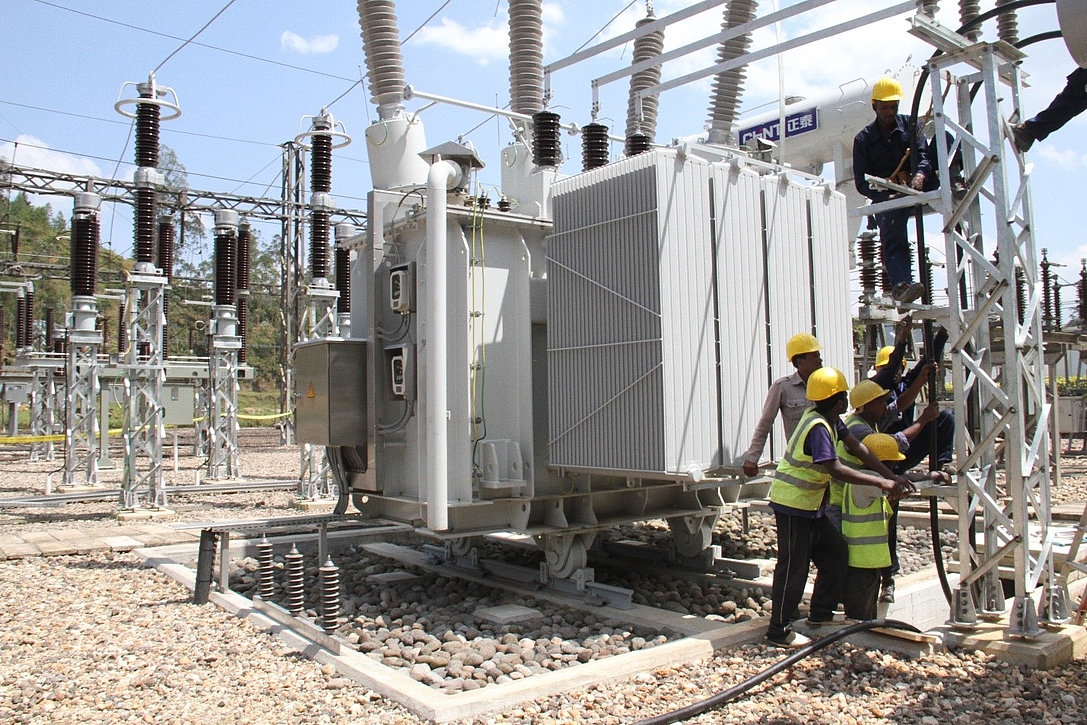
Transformer oil can contain polychlorinated biphenyls, commonly known as PCBs. These are man-made organic chemicals that were widely produced between 1929 and 1989 and used as coolants and insulating fluids in electrical equipment such as transformers, capacitors and hydraulic systems. PCBs were extensively deployed across energy intensive sectors including mining, pulp and paper, power generation and distribution, and the chemicals industry.
“The department strongly warns against this practice and calls on municipal officials to refrain from supplying transformer oil to members of the public,” the DFFE said in a statement.
Although the manufacture of PCBs was banned in many countries several decades ago, the chemicals remain a persistent risk due to their continued presence in older electrical equipment and contaminated sites. The department noted that scientific studies have linked PCBs to a wide range of adverse health effects.
PCBs are considered possible human carcinogens and have been associated with immune system suppression, reproductive disorders, neurological impacts and disruptions to the endocrine system. In addition to human health risks, PCBs pose long term threats to ecosystems due to their persistence in the environment.
South Africa took a regulatory step in 2014 with the publication of regulations aimed at eliminating the use of PCBs and PCB contaminated materials. These regulations set out requirements to systematically remove such materials from use and supported industry and public sector entities in working towards national phase out targets.
The country is currently implementing a targeted programme to assist municipalities in identifying and eliminating PCB containing equipment. This initiative forms part of South Africa’s commitment to meet the 2025 deadline established under the Stockholm Convention on Persistent Organic Pollutants, an international agreement aimed at protecting human health and the environment from hazardous chemicals.
The DFFE emphasised that safe management of legacy electrical infrastructure remains a critical issue for the energy sector, particularly as utilities modernise grids and decommission ageing assets across the country.
Author: Bryan Groenendaal