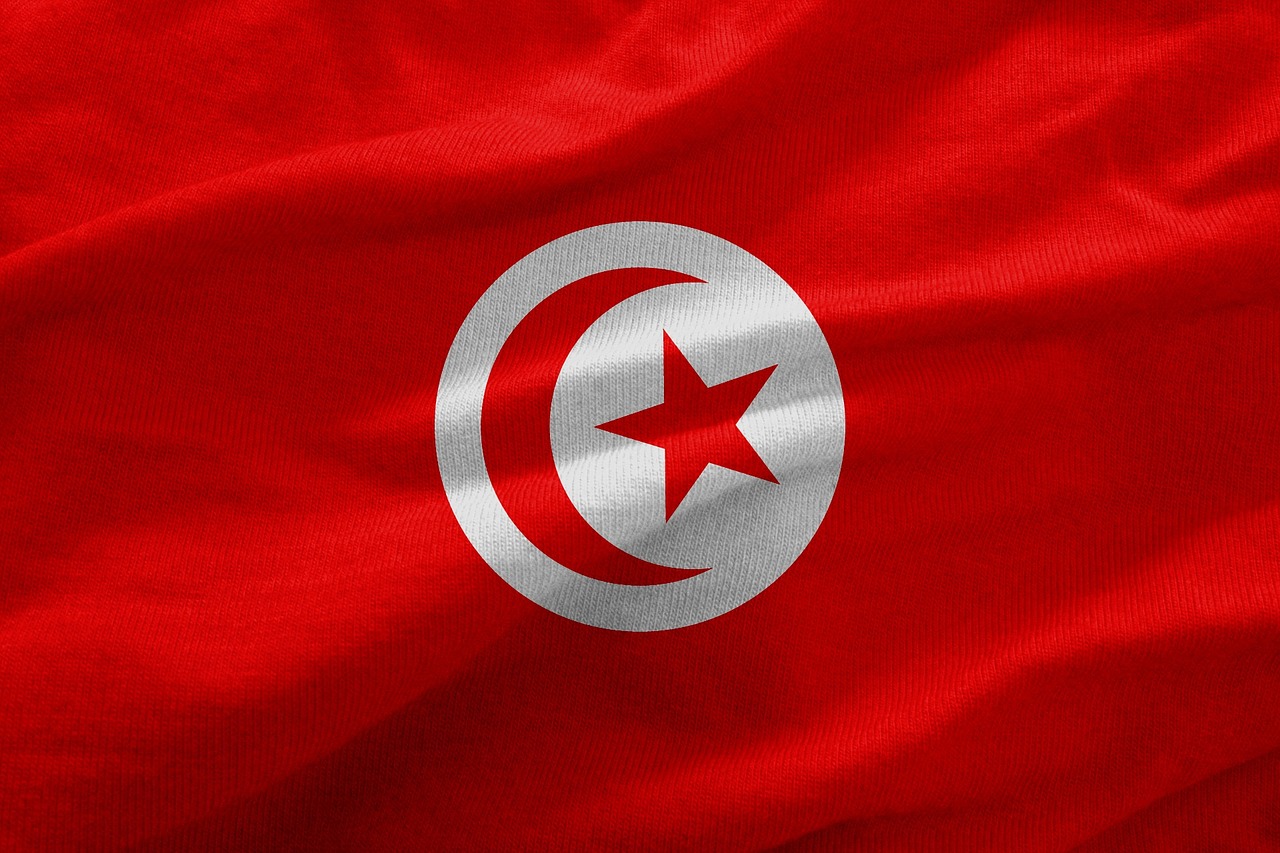
- Tunisia’s Minister of Industry, Mines and Energy Minister, Fatma Thabet Chiboub, has signed MoU’s with multiple European companies for green hydrogen supply and production.
- This follows Saudi-listed ACWA Power’s MoU with the Tunisian Government to explore the potential for a project that would produce up to 600,000 tonnes per year of green hydrogen in three phases, for export to Europe.
This strategy aims to produce 8.3 million tonnes of green hydrogen and its derivatives by 2050, including 2.3 million tonnes for the local market and 6 million tonnes for export (with a total investment value of about €120 billion).
This follows TE H2 a joint-venture between TotalEnergies and EREN Groupe, together with VERBUND, Austria’s leading electricity company, signing a Memorandum of Understanding with the Republic of Tunisia last month to study the implementation of a large green hydrogen project named “H2 Notos” for export to Central Europe through pipelines.
H2 Notos aims to produce green hydrogen using electrolysers powered by large onshore wind and solar projects and supplied with desalinated sea water. The project aims to produce 200,000 tons of green hydrogen annually during its initial phase, with the potential to scale up production to one million tons per year in South Tunisia. The project will have access to the European market through the “SoutH2 Corridor”, a hydrogen pipeline project connecting North Africa to Italy, Austria, and Germany, which is expected to be commissioned around 2030.
Last month, Saudi-listed ACWA Power also signed a MoU with the Tunisian Government represented by the Ministry of Industry, Mines and Energy to explore the potential for a project that would produce up to 600,000 tonnes per year of green hydrogen in three phases, for export to Europe.
ACWA Power would develop, operate and maintain 12GW of renewable energy electricity generation units, including storage systems and transmission lines, along with water desalination plants, electrolyzers and infrastructures to connect to the main pipeline. The first phase would involve installing 4GW of renewable energy units, 2GW of electrolyser capacity, as well as battery storage facilities, to produce 200,000 tonnes per year of green hydrogen. The green hydrogen production is aimed to be exported through the South2 Corridor, a hydrogen pipeline initiative led by European TSOs and identified as Project of Common Interest by the EU, connecting Tunisia to Italy, Austria and Germany.
The latest MoU’s were signed with:
- The British and Maltese group holding TUNUR
- The Norwegian company Aker Horizons
- The Austrian group Verbund.
- The British company Savanah Energy.
- Hydrogène de France.
- The French company Amarenco
- Jordanian company H2 Global.
- The Belgian company DEME Energy.
- The German company Abo Energy.
Author: Bryan Groenendaal